
Observation
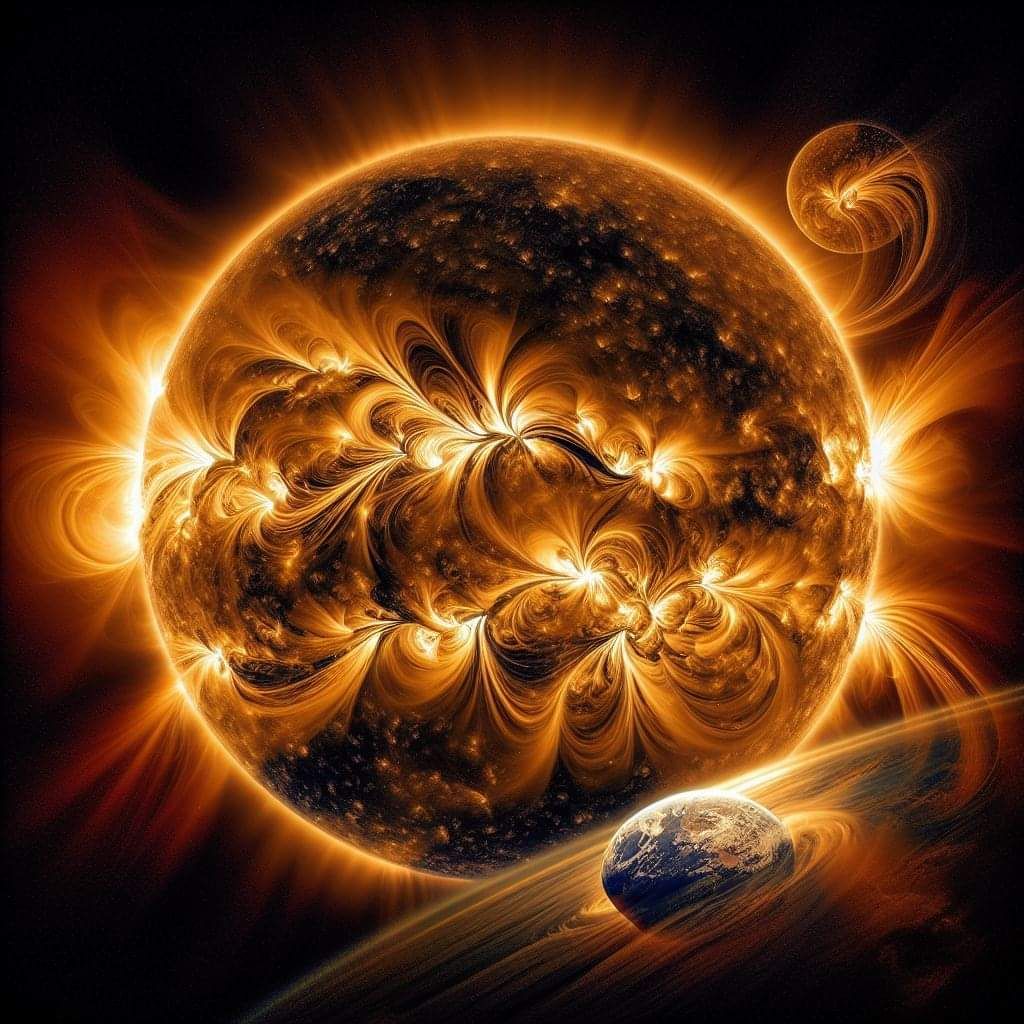
If you ask the average adult in what month the Earth is closest to the sun, you’ll be surprised by how many people don’t know. If you push them to guess, they’ll likely cite a summer month.
While I truly believe that scientific vocabulary and the inane insistence that we memorize such terms is foolish, the fancy-pants term for the closest point to our sun is the perihelion. And it occurs in early January. We’re the furthest from the sun six months later, in early June. That point, too, has a fancy name derived from old languages. If you want people to remember it, why not “farpoint?”
The seasonal changes are caused by the tilt of our planet.
I think it is much more valuable to understand the concepts without the need to know the scientific terms we’ve assigned. It is more valuable educationally to understand the concepts than to identify the bottle of words we use to label knowledge.
Failing to understand such basic concepts as the ones I’ve cited lead people to incorrectly believe they understand climate, weather, and other phenomenon in our world.
This same observation applies to multiple things in our world and society. Minimal understanding often gets expressed as certainty regarding fallacious ideas and concepts.
X
.
 P.S. Parenthetically Speaking