
 “…None of us conduct our lives based solely on practicality, logic, or self-benefit. We make stupid choices, even when we have all the benefits of money, education, and food. If we feel wronged, we react stupidly, often without thought and without concern for consequences. Now multiply our individual humanity into groups in less than ideal situations….” This is one of my own replies to people being mean-spirited on social media.
Small Town Police Forces
 (This post originally was for my personal social media. Last year, I got entangled in a routine traffic stop in weird circumstances. It cemented and amplified all my concerns with a particular small town’s police department and how it was still being operated. I interacted with the Chief of Police, which only served to muddy my views even further. This isn’t a “I don’t like tickets” rant; rather, it is an argument in favor of accountability and priorities.)
Recently, I made a comment on local news about a small town removing its entire police force. That comment garnered a staggering amount of appreciation. There is a lot of dislike for some of the small town local police – and it all can’t be attributed to a simple dislike of getting ticketed. People who reside in small towns often resent the reputations of their local police being tarnished, but some departments seem to suffer from tunnel vision and lose the ability to gauge when they might be damaging their reputations. The cliché of a small town police officer still lingers. When small towns employ great people, dedicated to helping one another and being fair and reasonable, it is truly a remarkable thing. When they forget that they exist to provide services and keep the peace, things begin to get complicated.
(Note: I haven’t been pulled over since last year’s fun and entertaining episode – but I have been hearing lots of stories from people.)
Johnson is a nice place, with much to be praised. The population increased 50% in the 2000s. Its location makes it almost ideal for living. But ask a cross-section of the metro area’s population to describe Johnson and I’m certain you will sense a dread similar to the first chapter of a Stephen King novel. It gets much of its traffic simply because it is in the way of one’s destination, not because people are clamoring to go to Johnson for business or pleasure.
After last year’s confusing interaction with Johnson police, I can’t tell you how many people told me their stories. Yes, some were irritated simply because they had to pay tickets. But many of those complaining had stories that went a little further into the reasons why some small towns should not have police departments. Several people I know avoid driving inside the limits of Johnson. Either these people are delusional or there is a problem. Some of these people are lawyers, nurses, doctors, and teachers. Not all of them are nuts like me. It’s easy to discount what I say, but some of these people who can’t and won’t let themselves drive in Johnson have credibility and stories to back up their reasons.
“It’s not me, Johnson, it’s you,” someone told me. A disproportionate number of tickets occur inside the Johnson limits. Many decided to break up with Johnson, agreeing to never drive there again unless some unimagined catastrophe obligates them. It’s an amicable divorce, especially since Johnson has very little valuable commercial activity to draw visitors.
Here’s how I know I know there’s a problem: when I drive in Springdale, it never occurs to me that I will be pulled over for a crazy reason, even though I once was ticketed for something worth going to court over and talking about. With Johnson, however, even at 4 a.m. I have to talk myself into driving through it, even though it’s more convenient. I have to ride the brake, as some spots are only 25 mph. Sometimes, I feel like a cowboy in an old western, running the gauntlet of upraised tomahawks and clubs, as I suspiciously drive through Johnson: it’s not road conditions or traffic which worries me. No, I’m watching for the men in black, those who lurk behind the shrubbery in “cars” which cost more than my house. When I do drive in Johnson, I expect to see multiple officers in lavish, over-sized vehicles pouncing on people. I “feel” like I’m under constant watch there. It’s not rational and I dislike it, but it is always there when I’m driving in Johnson – but not anywhere else. When I see someone pulled over in a quiet cul-de-sac and two monstrous Johnson vehicles at the scene, lights flashing like a carnival ride, I don’t automatically wonder if they are finding contraband. I instead wonder how much hassle they are putting the driver through. I feel sorry for the driver, not protected by police. I don’t feel like they are making me safer on the roads. Most people feel the same disquiet as they drive by, knowing that it can and will be them, even when they aren’t doing anything unsafe.
My reaction is not fair to the officers, but it is an attitude that I’ve learned through interaction and observation. I met a few outstanding Johnson officers during a difficult time a few years ago – they were everything one could want in police officers. (The emails from the police chief didn’t dissipate any of my unease with the oversight and accountability of the police there, though.) I lived in Johnson for many years and was able to watch how many times a days people were pulled over, where it most often occurred and for what alleged reasons. It was fascinating, even as I watched the same tired story over and over.
For those who weakly and ignorantly argue “If you ain’t doing nothing wrong, you won’t get pulled over,” I wish that it were true. Using that logic, why not have every intersection armed with speed cameras, or your car equipped with speed-sending logging devices, or even cameras trained on the driver of every passenger vehicle in the county. Those efforts would also allow for ticketing – and if you aren’t doing anything wrong, you of course won’t mind total monitoring of every turn you make, each press of the gas pedal and so forth. Or put a traffic officer every two blocks – and use the fines generated from their presence to pay their salaries. I’m sure by now you see the stupidity of the “do no wrong” policy? Those who argue in favor of the “do no wrong” argument often use it to mask other, less savory, motivations for their view about enforcement.
If you hire 9 people to stand outside with hammers, it is fairly likely that most of them are going to start hammering something, even without any reason to do so. The same is true in small towns with too many officers doing traffic enforcement and an infinite supply of ticket books and time on their hands to fill them up. Yes, I am saying that the per capita ratio of officers doing traffic enforcement is too high in many small towns. I don’t see this as the case with any larger departments. I could be wrong, of course, but other departments don’t seem to have an unlimited supply of unmarked expensive black vehicles parked every block.
So, as Northwest Arkansas continues to grow, I ask for small departments such as Johnson to allow other jurisdictions to patrol their streets, saving money and hopefully dispelling the ongoing issues of reputation that plague you. Let economy of scale save us money by eliminating overhead and duplicated systems, courts, equipment, training, etc. I also ask that you not pour money into unmarked vehicles with the goal of traffic enforcement. Larger police departments have better oversight and resource allocation controls. Let Washington County or municipal police help your citizens.
(Or perhaps we could let other town’s officers patrol your streets and give you all the ticket revenue? That would be much better than the current system, with ‘oversight’ being in the hands of the very small towns. You keep the money – but let others decide what is worth bothering with. After all, your presence is allegedly all about safety and nothing to do with revenue. My proposal addresses both problems perfectly.)
Had my issue last year happened in Springdale or Fayetteville, it would have never escalated to a ticket, much less to an exercise in a lack of accountability or oversight, as was my case in Johnson. That’s the difference between a small town force thriving by ticketing and one focusing on protecting its citizens while using traffic enforcement as an additional safety measure instead of the primary one.
Springdale and Fayetteville are modern departments and perhaps it is their professionalism and dedication which, by comparison, steals the luster from Johnson. It isn’t my goal to malign the citizens of Johnson. But I continue to be surprised that people tolerate such an invasive presence under the guise of traffic safety.
P.S. Dear Johnson: I’m seeing an incredible amount of vehicles with extremely dark tint driving in your town. (I’m not talking about the police vehicles, which might as well be dipped in black paint, windows and all.) I’m talking about the army of citizens driving around with tint that is too dark. You could make a million dollars a week if you uniformly apply those incredibly important traffic laws. Oh, and it would be really awesome if all your vehicles were clearly marked in visible colors and insignias. You know, in case someone needs you for something important. Not to avoid a ticket, but because sometimes we want the police here to be like everywhere else in the world except in small towns. You’re welcome.
Pictures Are The Post
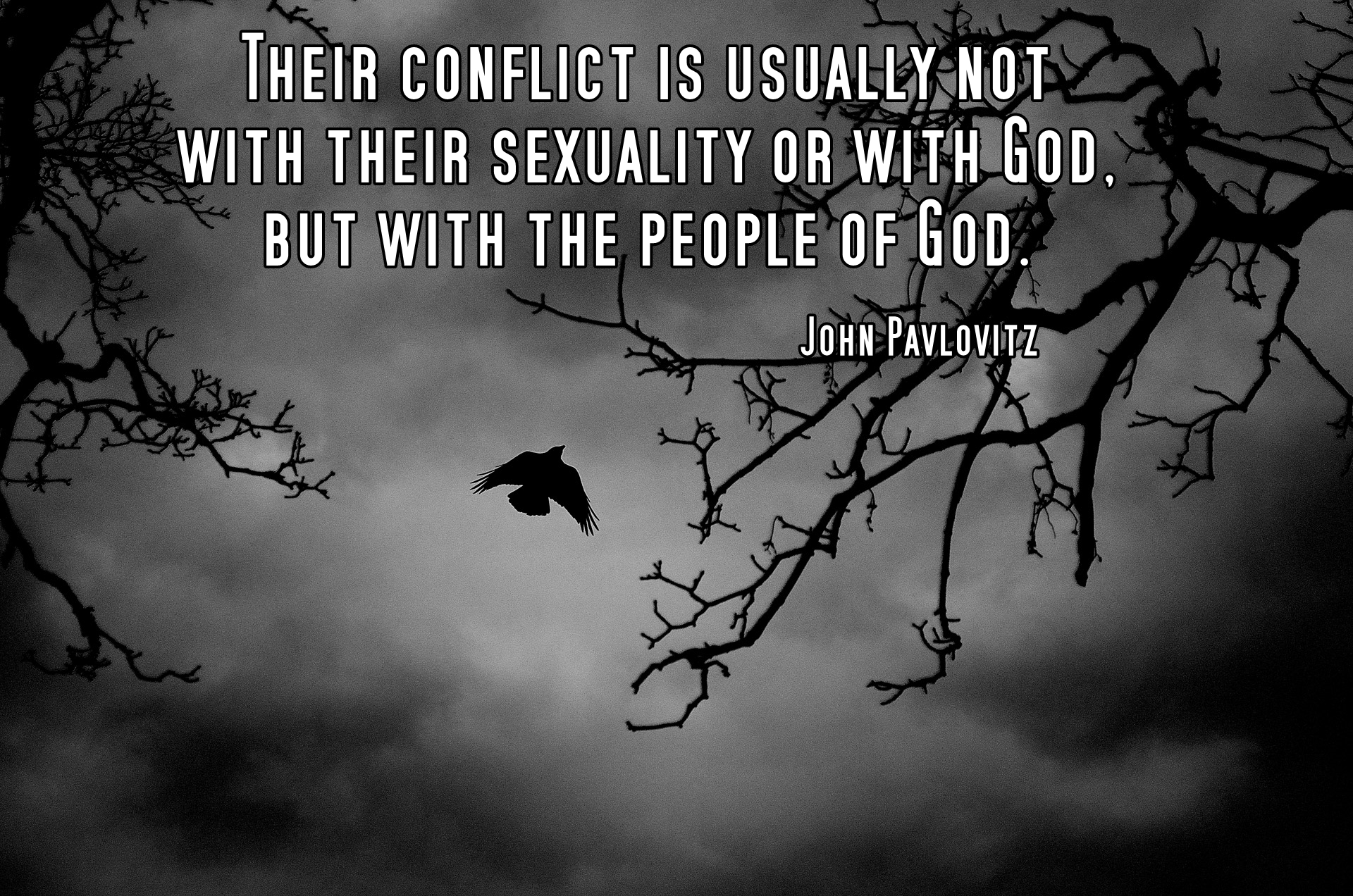
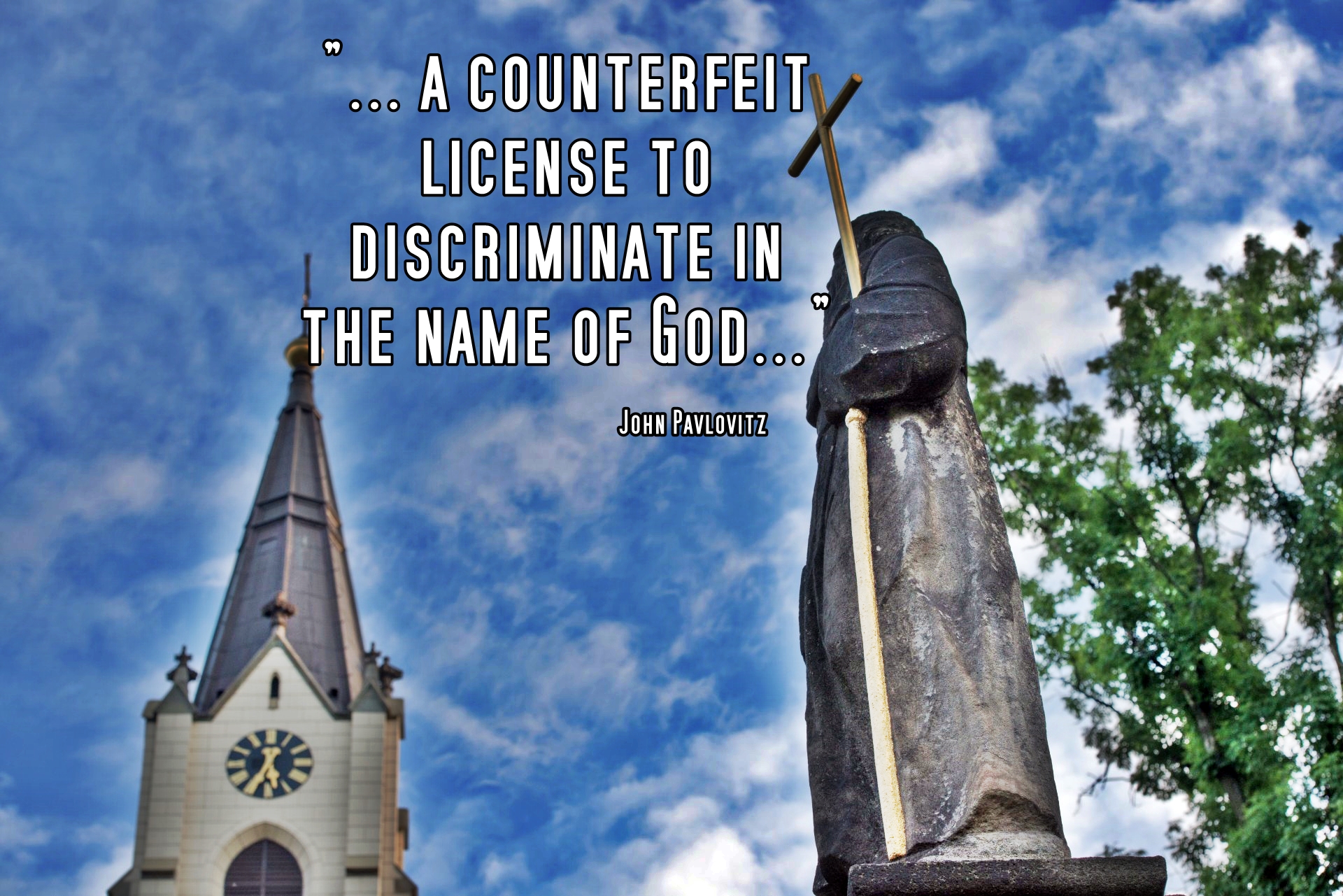
X’s Rhetorical Comparison (From News Coverage Lately)
Generic Beach (We Want To See YOU In Pictures)

Generic Beach: It’s that time of year again. We begin to see a multitude of vacation pictures, devoid of human context. You’re not posting for my specific enjoyment, that’s true, but I am part of your audience. You don’t have to ‘wow’ me or take Pulitzer-quality pictures. But put some people in those pictures, so we can imagine ourselves there or picture you enjoying yourself. Just an opinion. (You know how I am about “vacation photos…)
https://xteri.me/2015/03/14/2090/ Here’s a link to a previous post about vacation photos.
Dunning-Kruger / X Corollary
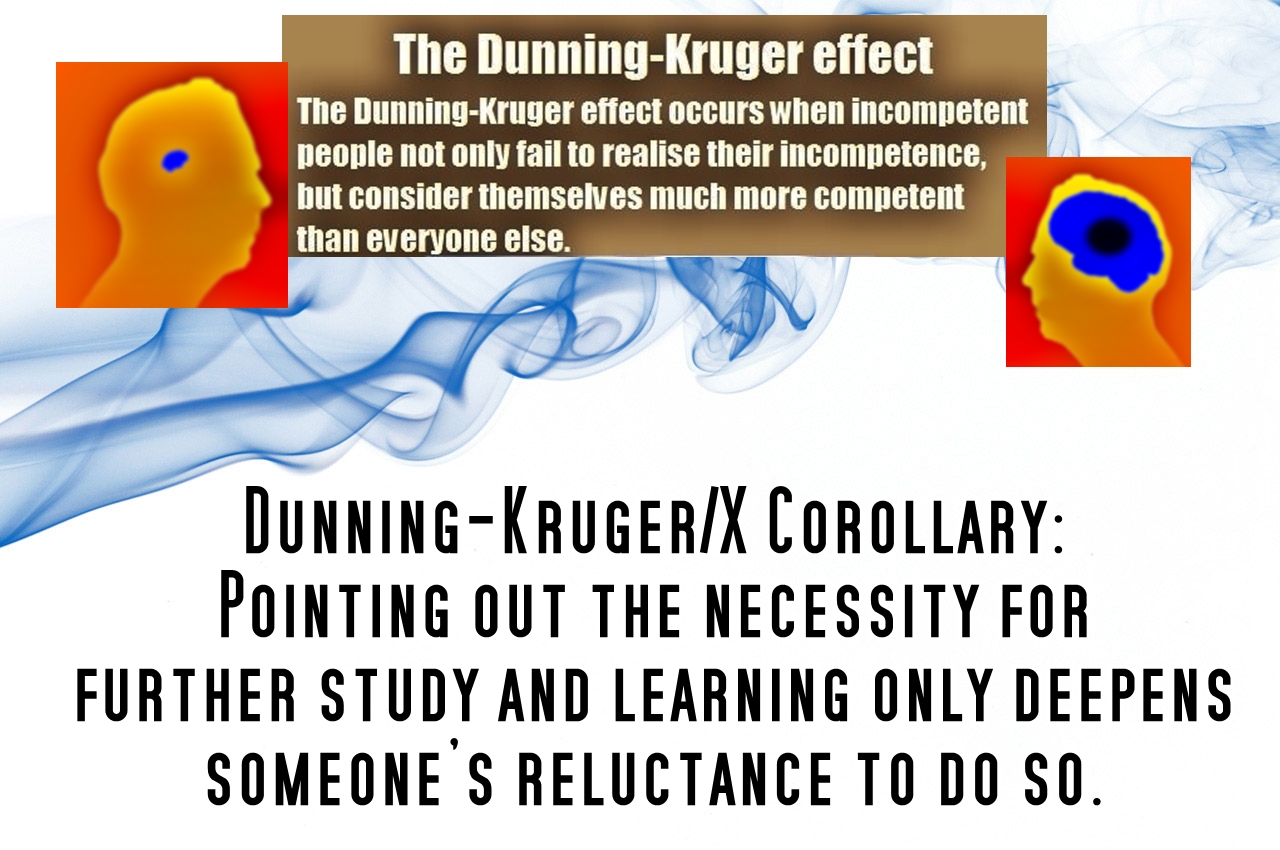
(All of the following applies to me, too.) Whether it is vaccination safety, the Middle East, mortgage issues, GMOs, horoscopes, Bigfoot, climate change, space exploration, complex financial situations, legal issues or anything which requires expertise, people need to step back and consider their own ignorance before rushing to judgment or conclusions. Our ignorance is often so glaring that we don’t even recognize it. While you must always think for yourself, you also should listen to all objective information.
There’s nothing worse than a know-it-all who knows very little, but is certain of everything.
Whatever you do, don’t try to correct someone suffering from the illusion of knowledge.
A Slight Criticism Toward Instagram and Other Filters

Inside joke #43. These photo filters go much too far. This is my wife and I looking at the sunset last night. Or, it might have been when I started?
“Bloodline” Neflix: Inevitable Violence

This show was evocative of the dread of my youth. That I understood the character “Danny” (portrayed by Ben Mendelsohn) so well should not surprise anyone who knows me: his character was an amalgam of several people of my youth. Sissy Spacek and Sam Shepard were stellar, but Ben as “Danny” stole the show. For those who know me intimately, the comparison to actual people will be obvious, except for those who don’t relish seeing themselves reflected in such a harsh light. We can all be Danny to some degree; most of us, however, reach a point where our destructive tendencies become impossible to manage or we drive away the people who should be close to us.
The show feels a slow-building book, one in which you expect the very worst. You root for a person’s better version to emerge – instead it slams you repeatedly across the forehead with the dread certainty that some people have no redemption. You begin to cheer for bad people who stay true to their nature, while hoping for those who are fooling themselves will be forced to face their choices. As each participant in the family realizes too late, Danny had no place at the table and that hoping for the best of him, even with good intentions, resulted in worse consequences. Each of them has to face their own demons, magnified by the family member who isn’t playing by their rules.
It is impossible for me to accurately capture how the building dread perfectly echoes the necessity of violence. In essence, “Bloodline” vividly spells out the ways that mean folk walk the earth, wearing the camouflage of normalcy, hiding their fangs – and how families only see what they allow themselves to see.
The inevitable violence took too long to bloom; however, it was not possible to look away from the impending explosion. The show takes the time to develop. The pages turn, one by one, until you are hoping to be there to witness the fruits of everyone’s willful ignorance. No matter how non-violent you are, you will be demanding that someone wake up and provide some righteous anger.
I used the picture of the matriarch and patriarch of the family sitting on the porch, as it contrasts the dark theme of the show. Nothing about this show is peaceful, even though it’s set in picturesque Florida, a place where normal people go to escape. For the Rayburn family, their history is there to greet them no matter where they temporarily flee to.
“Bloodline” was in most ways better than all other Netflix original shows.
It’s Ok To Change One’s Mind (We Are Not The Same People We Once Were – I Hope)

People who can change their minds are better people.Those who zealously defend the exact same beliefs over an extended period of time are probably more likely to be demonstrating stubbornness instead of intelligence. I will agree it is possible that they have been correct all along, too, in which case my premise doesn’t apply. Whether we are discussing religion, politics or simply the best way to live one’s life, the barometer to determine our viewpoint should always be realistically flexible rather than unyielding and rigid. (Sidenote: what you might term definitive ‘morality’ isn’t exactly what this refers to.)
Constant change for its own sake is not, however, a good thing. The kind of changing I’m referring to is that of our outlook on ideas, life, and how to live it. If we stick with an ingrained way of doing things simply because we aren’t critically thinking, we are guilty of a different offense.
All the fuss about people changing their viewpoint is nonsense. It might not be opportunistic flip-flopping. Changing one’s mind in the face of evidence or maturity is NOT bad; quite the opposite. It is a positive result of critical thinking. Why are we so trained to be frightened of admitting our old ideas or ways were wrong? We must also allow even those in the public sphere the opportunity to explain their change of heart. I can’t see into their hearts. I can jump to an erroneous conclusion based on my own cynicism but I can’t know with certainty if the change of opinion is authentic. Further, I have no right to doubt another human being because he or she has changed his or her mind, even if they are a paid public servant, a friend, or even a family member.
Were my premise not true, I would be nothing more than a horrible continuation of the insanity that my parents and history dictated. I’ve changed my “certainties” several times over the last few years. Sometimes, it feels as if the sensation of my opinion changing has accelerated.
I know a person who is simply furious with the idea that anyone can fundamentally change his mind about anything important. Likewise, he is upset that he has been unable to adopt new ways of dealing with old problems. He is fiercely rigid in his beliefs – and he is unhappy as a result. Like him, I was damaged by my upbringing. Unlike him, however, I don’t maintain the old ways of thinking about it. The fury he displays at the realization that he no longer can pigeonhole me into a defined set of conclusions is astonishing. He is powerless when trying to confront the idea that smart people can and should change their viewpoint – without apologies. It took me quite a while to attempt to stop rationalizing this person’s crazy, irrational insistence that he had access to special knowledge based on who I once was. He is frozen intellectually. Things that were true for him ten years ago must be held equally true today, despite evidence, circumstances and reality aligning against him. Because he once said it or wrote it, he feels as if it must be his belief today as well, even though he might have grown beyond those ideas.
Just because someone disagrees with abortion when they are 25 doesn’t require them to be against it at 35, or even 26, especially if the person’s life experiences has honestly led the person to change his viewpoint. A person can be atheist and twenty and be religious at thirty. Or vice versa. That’s learning – not flip-flopping.
If you know someone who believed in something 6 months ago, that doesn’t obligate them to believe the same way today. You cannot know with certainty whether their change of mind/heart is real – you can only observe them and take them at their word regarding a change of heart. Your contention that they must not only maintain old beliefs but also explain and justify them to you is absurd and abuses your interpersonal relationships. It’s a hallmark of intellectual dishonesty. A lesson I learned in life is that you are surrounded by family, friends, and acquaintances who have changed their minds about some things – but don’t know how or when to reveal the change of mind and heart to the people around them.
I recommend adopting this as our “new” standard in our personal lives and in politics. Our lives change us as it unfolds. We might have once been bigoted, homophobic, or mistakenly believe that anger is normal. Allow people to gracefully change their mind and make the world a saner place. If you get angry because someone has changed his or her mind, I ask you to examine your motives. It is likely that you are stuck emotionally.
I have updated this entry in part due to the fact that sometimes we discover things that a person said, wrote or did a year ago, ten years ago, or when they were in high school. Like the proverbial river being different each time we wade into it, so too, are we. Speaking on my own behalf, I would cringe at some of the stupidity that I was guilty of when younger. There is no doubt in my mind that just as I look back to my past and wonder “what was I thinking?” that I will similarly look back on today’s beliefs and laugh at my idiocy. While I might be convinced of being right about any number of things today, it is a certainty that I’m dead wrong about many things. Each of us are shuffling through different stages of learning or ignorance. I don’t know about you, but I need to resist judging people on what they said or did in the past. This doesn’t mean discarding reason or even giving everyone a pass; rather, it means that as we learn and change, we are literally different people in the most critical ways.
We should pay attention to what was said and done in the past – but it should not close our minds to our ability to learn, grow, and accept the possibility that the person we judge for past words or deeds is no longer that same person worthy of our disdain. I have a picture somewhere that shows a woman with a picket sign indicating: “My opinions change with new information.” It is our expectation that we will accept new ways of thinking and acting when the old ways have been demonstrated to be destructive or less than compassionate.
As a liberal, I am not a fan of our new senator, Tom Cotton. But the coverage of his writings from his youth gave me pause. Not because of the content, even though I thought his line of reasoning was gibberish. What bothered me about it is that many people vilified him today solely based on what he had written a long time ago. Please note that I’m not arguing whether he STILL believes in what he wrote so long ago. It’s immaterial to my point. My point is that Tom Cotton wrote a lot of things a long time ago that were very controversial. It is my obligation to ask whether he still believes in those things before I launch into a diatribe against him based solely on those previous words. He might have disavowed every single word, exchanged his meritocracy arguments for ones of compassion and social justice. He might have – I don’t know. It’s unfair to him to judge his life in the present for what he said then. He might have learned from his mistakes, made amends, and begun to live his life differently.
I have this opinion because I want the same treatment for myself. We are all learning creatures and usually as we age, time, tragedy, and circumstance opens our eyes to the world. I’m not the same person I was when I was younger and I’m not the same person I was in 2007. I would want each of you to look closely at my life and honestly appraise whether I’m truly different than I was then. You don’t have to take my word and accept blindly that I’m not the same person. You should use your gift or reason and observation and decide. I find myself all too often convincing myself that people don’t change or that someone who was an ass when younger must still be an ass, or hold the same beliefs. As I’ve aged, people have genuinely surprised me. While most misbehaving or angry people tend to stay the same, some do in fact have a change of heart and behavior. Some prejudiced people or those who think that people are mostly unworthy of admiration or chances in life have independently learned that their previous attitudes and ideas were wrong – and they changed.
Through much of our lives, we seem to be able to drift through without much challenge or circumstances which test our beliefs. At other times, it seems as if life is a barrage of varying levels of self-examination. Whether life throws death, divorce, job changes or new people and ideas at us, some periods in our lives are much more likely to affect how we feel or think about the world.
From an outsider’s perspective, the changes can sometimes seem to be without reason or merit. Although we live in a physical world, the important changes in our lives are being formed in our thoughts and minds, independently. All of us have mental lines of thought going on in our heads, continuously. Only we know how much events or circumstances have affected us. At times, our thoughts suddenly and noticeably change our behavior.
A relatively minor death of someone we casually know can sometimes evoke a much longer-lasting ripple effect in our life than someone we would regard as closer to us. I might have read or heard a particular phrase or song 98 times and upon hearing it or reading it for the 99th, a floodgate of comprehension might overwhelm me. Some doors are opened even though we don’t recognize them as doors. We like to think that our lives are move evenly distributed – but it doesn’t seem to be true. Development tends to occur in messy lumps throughout my life. It also tends to sneak up behind me, even when I’m fooling myself into believing I’m living an examined life.
The ongoing challenge is to not fight against our own instincts and intellect when our fundamental view of something or someone important has shifted. It leads us to be dishonest with ourselves and those we love. Equally important, we should grant those around us the ability to change their minds or opinions without as much argument. Only the person experiencing the change of heart knows whether the change is authentic. We can make assumptions based on our experiences with another person, but we can’t be certain one way or another, not really.
Sometimes, monumental shifts occur in a very short time. We are trained to resist significant changes to anyone’s behavior or worldviews, more so with those happening in a short time. If you’ve never been friends with Muslims, it might surprise you to discover that they aren’t fundamentally different than all other people. The same is true for Christians – they are comprised of differing people. It’s okay to admit that you’ve judged and generalized all of them incorrectly in your past.
The world is such an incredibly vast, interesting place, full of an assortment of different people. Why is it is so hard to allow people to change not only how they think, but who they are? It’s nice to see people take the blinds off or examine who they are why they are doing it. It’s a luxury that even I forget is mine for the taking.
“It’s not where we’ve been that matters – it matters where we are.” -X
Lost Compassion
Yesterday, I noticed a massive increase in the number of comments on social media regarding the less fortunate among us. Some of it related to minimum wage workers, while other commentary ranged from educational disparity to people getting unfair opportunities without having to work for it.
I have a theory that the last week of Indiana/Arkansas controversy about the LGBT or “Religious Freedom” bills wore down a lot of people’s nerves, especially those who have fallen victim to the idea that there is a war on religion, a gay agenda, or that their ability to be religious is being threatened.
As I’ve aged, I’ve had the opportunity to watch life and circumstances reach and smack so many people. I’ve had my share, too, of course. It can be so difficult to live a good, worthwhile life, as tragedy or luck can befall any of us on any given day.
I don’t look at those working for minimum wage and think that they’ve done something horrific to earn so little. I look at them and wonder how we tolerate the minimum wage being less than a living wage. It’s not my wish to encourage people to not live productive lives. On the other hand, I don’t mind some taking advantage of our social systems if it translates to people being treated with dignity. We are always going to need people digging ditches, cleaning floors, and doing the less appealing jobs in our society. Paying them less than what it takes is a reflection on our lack of commitment to a better society.
 P.S. Parenthetically Speaking