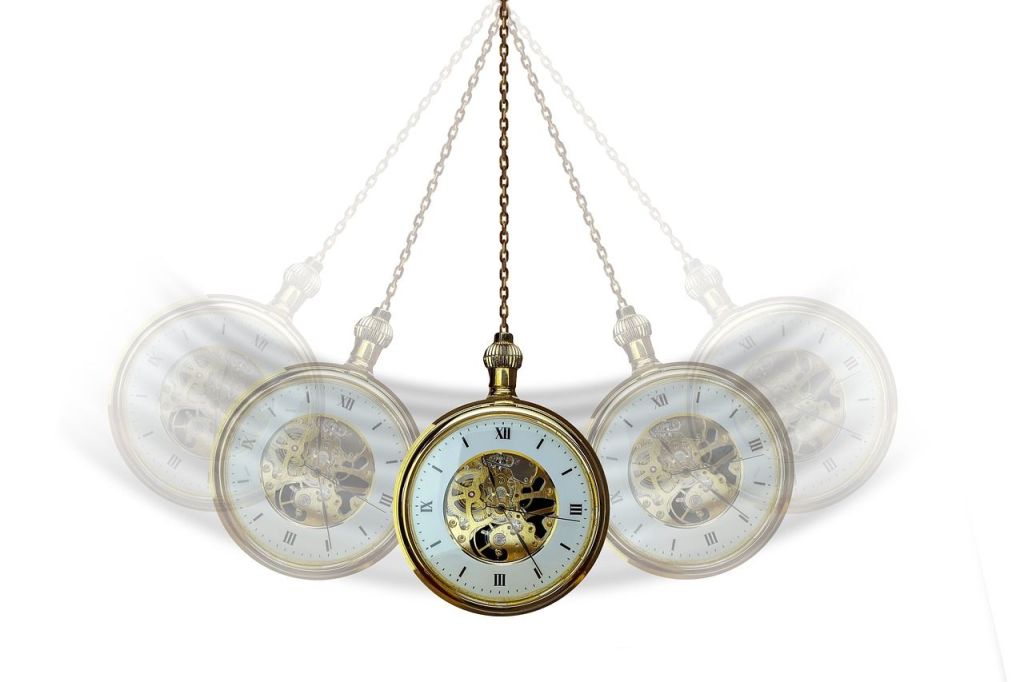
Dear citizens of Privilegeville: society most often works along the course of a huge pendulum. That which you take for granted today will be replaced, and most likely by something closer to its opposite. If you are pushing for an exclusionary society now, don’t be fooled by the status quo. Just as you couldn’t look back to 2008 and assume that the progressive surge would not fall into chaos. The further you push away from the middle, the greater the shock will be once the pendulum swings back. It is religious, political, generational, and societal. It’s such an obvious truth. But people embrace the status quo as if it’s anything other than temporary. We make plans for the future and we envision a society that will be there. It’s always a moving target. It is the very definition of entropy.
“The house you paid for and waited for is gone. You had it for a day. Why are you smiling?”
William laughed and looked at Robert.
“Are you kidding? I spent a day on the porch and went to sleep in a room exactly like the one I slept in when my Grandpa was alive.”
“You’re strange, ” Robert said. “But I understand.”
William flipped the retrieved nail in his fingers.
They stood in the carbon and ashes of what was the front porch. Even the creosote soaked railroad ties that served as steps were reduced to ashes. Behind them long strips of galvanized steel lay twisted and burned on the ground. Concrete pylons poked out from the burned remnants.
Both of them looked out across the cotton field and watched the dragonflies against the sunset.
“Sometimes a day is a lifetime,” William whispered into the baked air of the Delta.
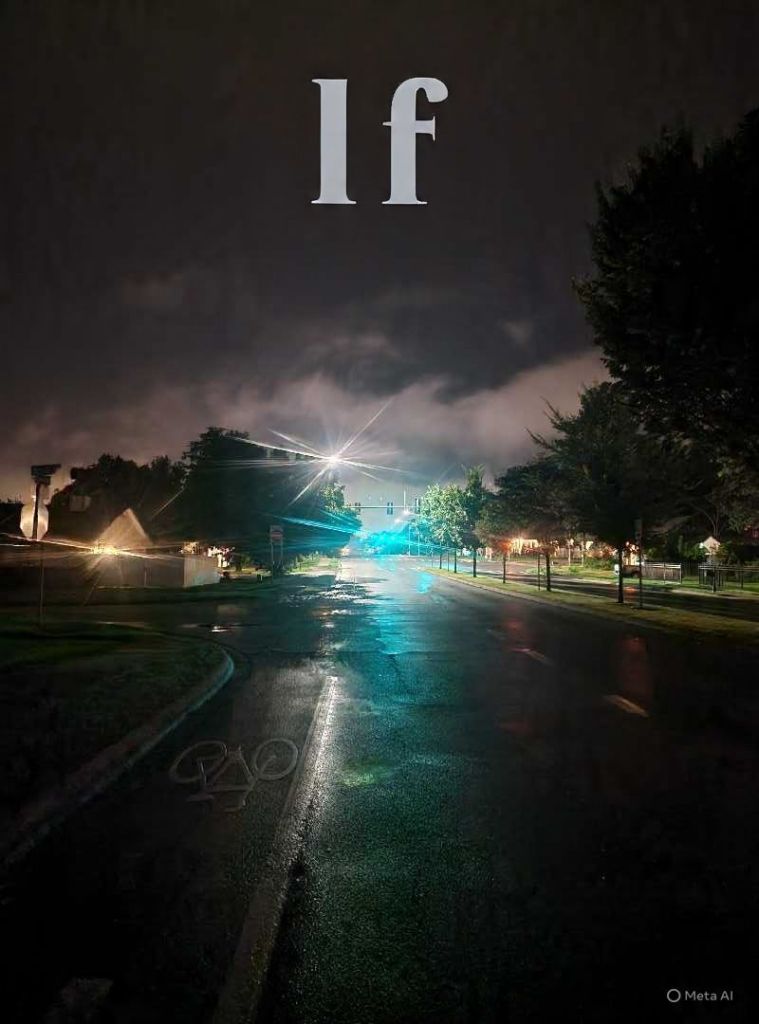
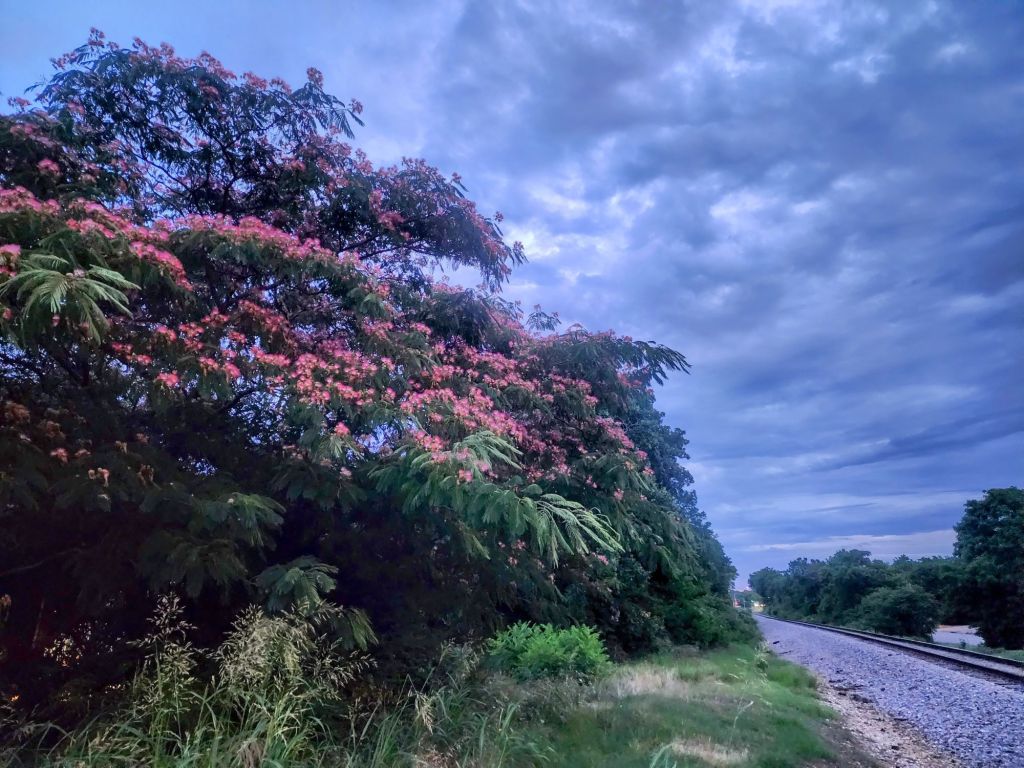
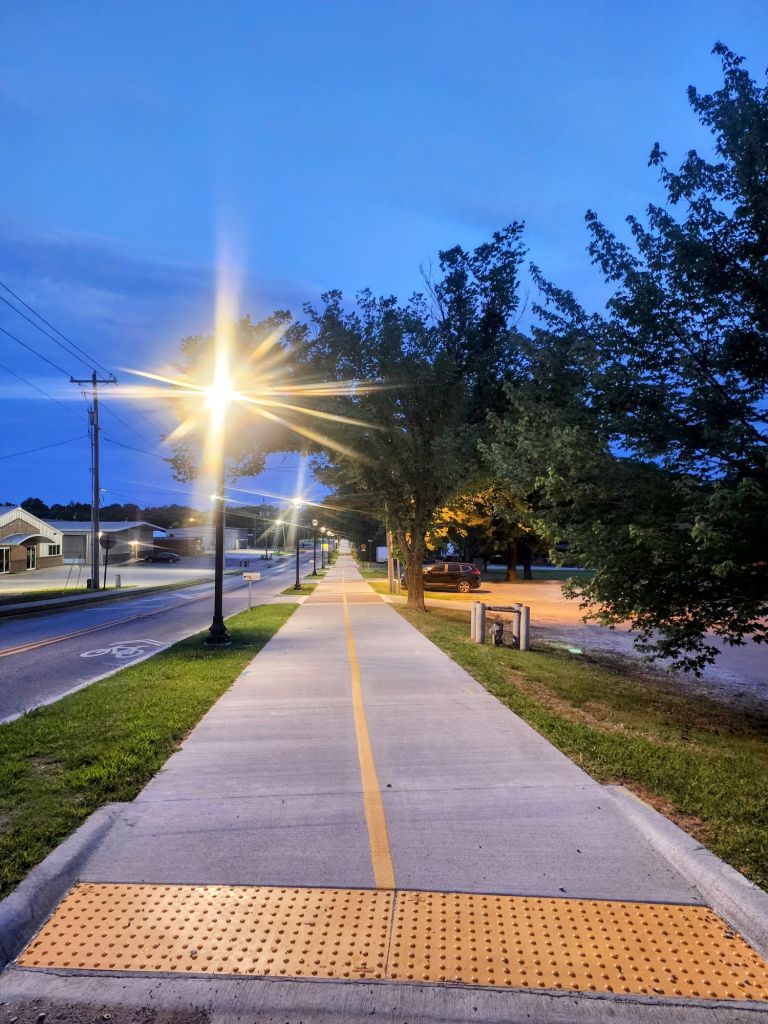
Because of the unique view my apartment grants me, I’ve noticed there are certain moments before sunrise when there are fleeting moments of beauty. This mimosa stands guard across the street, adjacent to the railroad tracks. Because of the beautiful trail enhancements and the modern lighting that adorns it, there are a handful of minutes when the mimosa seems to be backlit. The brooding clouds seen to enhance it. I took this picture twenty-two minutes before sunrise.
Some people dislike silk trees because of the perceived mess and the gnarled roots that provide unexpected trips. But if you are a fan of hummingbirds, butterflies, and bees, these are among the best places to stand and watch when the sun is attempting to toast your head.
If I could pick a time of day to render as static and unchanged, it might be the time shortly before sunrise. When the subdued colors are HDR and the world waits to be awakened. If you stand still, each minute changes both in hue and feel.
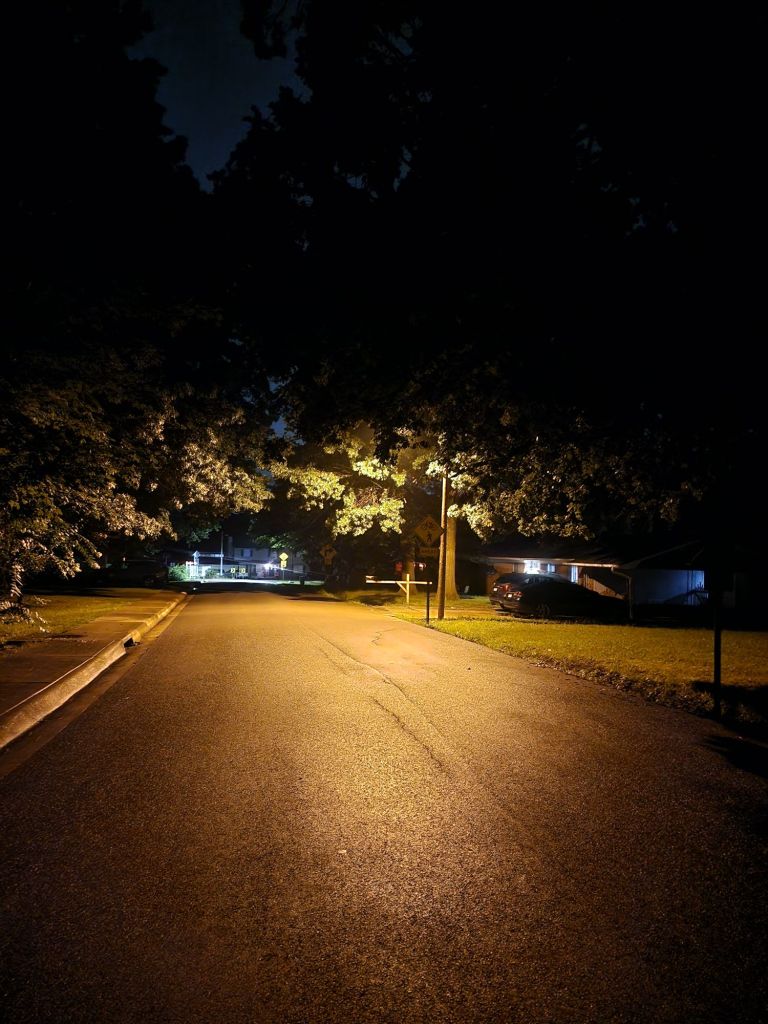
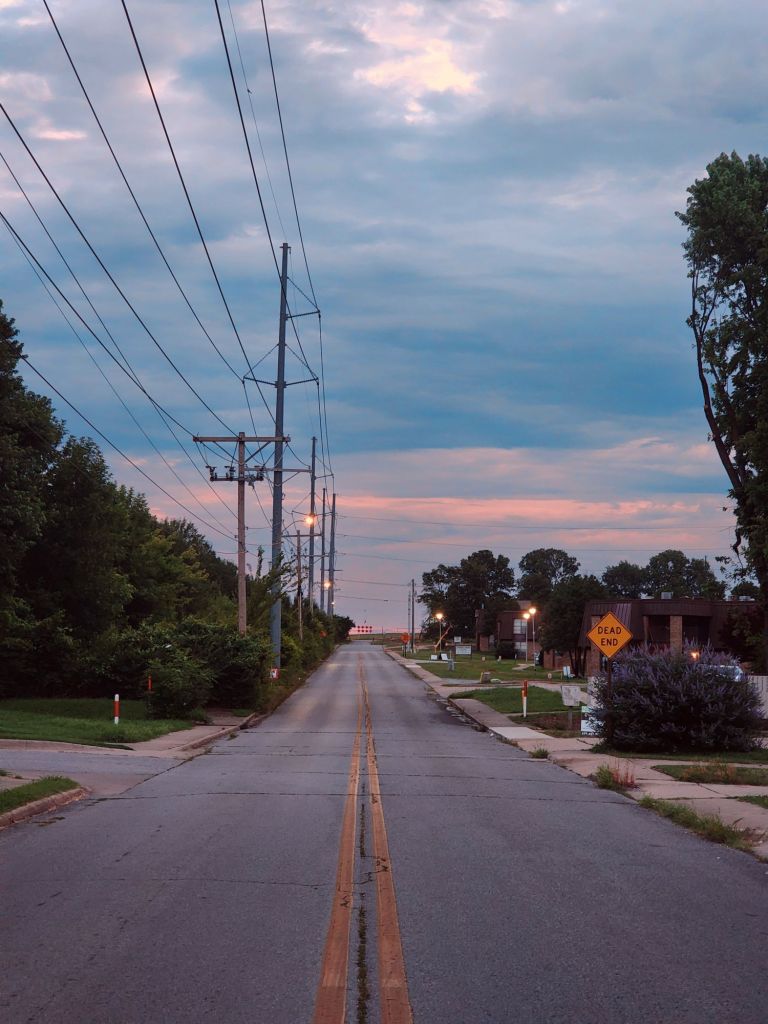
The second picture is looking down Leverett where it reaches its end against the agri park. To the left is Narnia, fourteen acres of dense, wild growth that holds thousands of birds and small animals. Even though it’s difficult to see, at the bottom of the first towering electrical pole is a public notice that this property will soon be erased to become a dense housing complex. Everything about this little private area will change forever when that happens.
On a recent friend’s post, people seemed to agree with “Social media destroys friendships.”
Do you mean to say, much like telephones did when they were introduced? Or computers?
Blaming technology is a vacuous accusation.
Social media is problematic because people do not use it in the same way that they hold conversations in their living rooms.
Much for the same reason, when people enter vehicles, it adds a layer of impersonal anonymity. That’s why people do and say things that they most likely wouldn’t do in person. It leads to road rage. Cursing. Aggressive behavior.
Social media gives people the power to reveal themselves. It does not create problems out of thin air. It strips back the ignorance we have about the things the people we know believe. It reveals resentment and anger hidden below the surface. It gives access to rudeness and poorly planned responses. That behavior is the responsibility of each person who engages in it. It does not fall on the outlet of expression we use as social media.
Social media is a virtual living room and the modern town square. Personally, I treat mine like my living room. If you go to my pages, you don’t see hostility. That’s because I don’t typically engage in it, and it’s not welcome in my virtual space.
If, however, I visit a page or website that’s not mine, I expect it to look and sound exactly like our society. If you are expecting kumbaya in content outside of your control, you should probably take a dosage of reality pills. People in groups are crass and argumentative. Logic is not the presiding factor. But people are also creative, compassionate, and informative. If you judge one portion of social media without consideration for the other, you’re missing the point.
If you gather a group of people, you’re going to hear a huge variety of opinions, interests, and hobbies. You’ll see people whispering to each other if they’re having conversations about other people. Uncle Larry is going to say something racist. Someone will likely show up drinking – and you know darn well they aren’t going to behave. Others will attempt to hog the conversation or say outrageous things for the reasons that people say and do those things. Social media works the same way.
Social media did not become massively popular by accident. It is the result of our individual choice and vote to use our precious time and energy engaging with it.
Social media does not destroy friendships. People do. One crass comment at a time.
People who focus exclusively on the negative aspects of social media ignore the power and beauty of collective expression. It’s easy to dial in to cynicism and hate. These aspects of social media are exactly what people exploit when they have agendas.
Each of us has tools to limit our exposure to things we don’t want to see. It works exactly like a TV guide. We can ignore platforms, programs, and the stations we choose. I don’t get angry because MTV has cooking shows. I scroll past it. I roll my eyes at what some people say, just as I expect them to roll their eyes or get pissy when they see mine.
If you’re looking at content from your friends, family, and acquaintances that makes you angry, it might be better to take a second look at who they are, how they behave, and what they believe. Act accordingly. They are revealing themselves. And while it might frustrate you, you at least have a means to see what occupies their thoughts and time.
Social media is what you make it. You can’t control collective communication. But you can control your exposure and how you choose to use it.
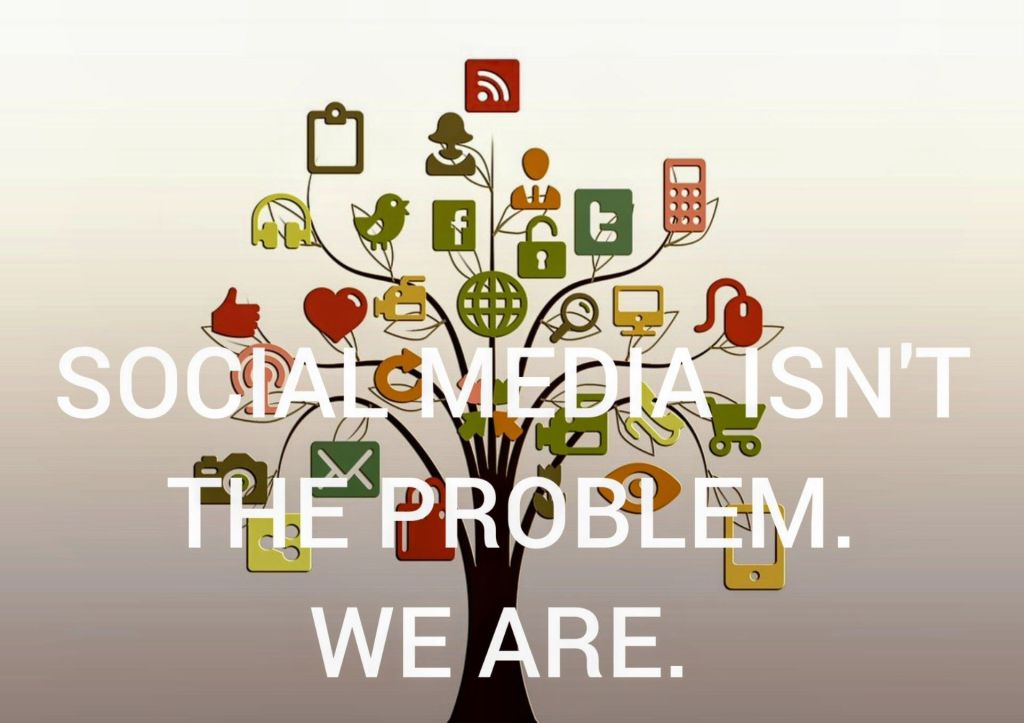
Social media per se is not the problem. It is us. All the defects and things about it that you do not enjoy are a reflection of our society.
Social media is exactly like alcoholism. Alcoholics falsely like to claim that their behavior is the result of drinking. It’s not. Alcohol removes their inhibitions and their control regarding what’s already in their heads. It is not a creator. It is a revelator.
It doesn’t resemble much seen up close. But under the darker sombrous canopy of trees above the creek, shimmering with sunlight shadows, it looked alien and transplanted. I wish I had brought my markers and chalk to further adorn it and give it a bit of life through color.
Traversing the creek, the water granted me a sudden reminder that light refraction hides unexpected depths and drop offs. More so in clear water. I did not bite my tongue as I stepped a foot deeper than I anticipated.
From there I found a delightful sand and sediment bar. Once stepped on, I sank a foot and a half. I’m glad it ended there because getting out of those things is more of a goal than a certainty.
This is personal. I’m not overthinking these words. I just want to get them out.
I’ve written about some of this before. My dad was in prison in Indiana. I heard so many different stories when I was younger. The Terry family was cemented into compulsory silence about this and many other things. (Such as the fact that I had another sister until a few years ago.) To find any truthful reference to ‘why’ my Dad was in prison, I had to do it the hard way: I searched THOUSANDS of pages of newspapers across Indiana. I’ll never forget that feeling of finding specific information. I had a cousin who probably knew most of it correctly. But she opted to adhere to the family code of silence. That’s why I had to do it the hard way. When she didn’t provide the information, I told her that I was patient and that I would find it.
I don’t disclose these things to shame members of my family. Apart from the fact that you can’t shame someone who is no longer alive, facts don’t bring shame. They bring revelation. I’ve proven time and time again that anyone who stays at it will uncover most truths. That’s how I used DNA and a decade to find my sister. It’s also how I kept at it to substantiate the details of some of my dad’s life.
I received the Indiana Reformatory index card out of the blue today. The prison stopped maintaining most old mugshots. But in those few lines of information, there are massive implications.
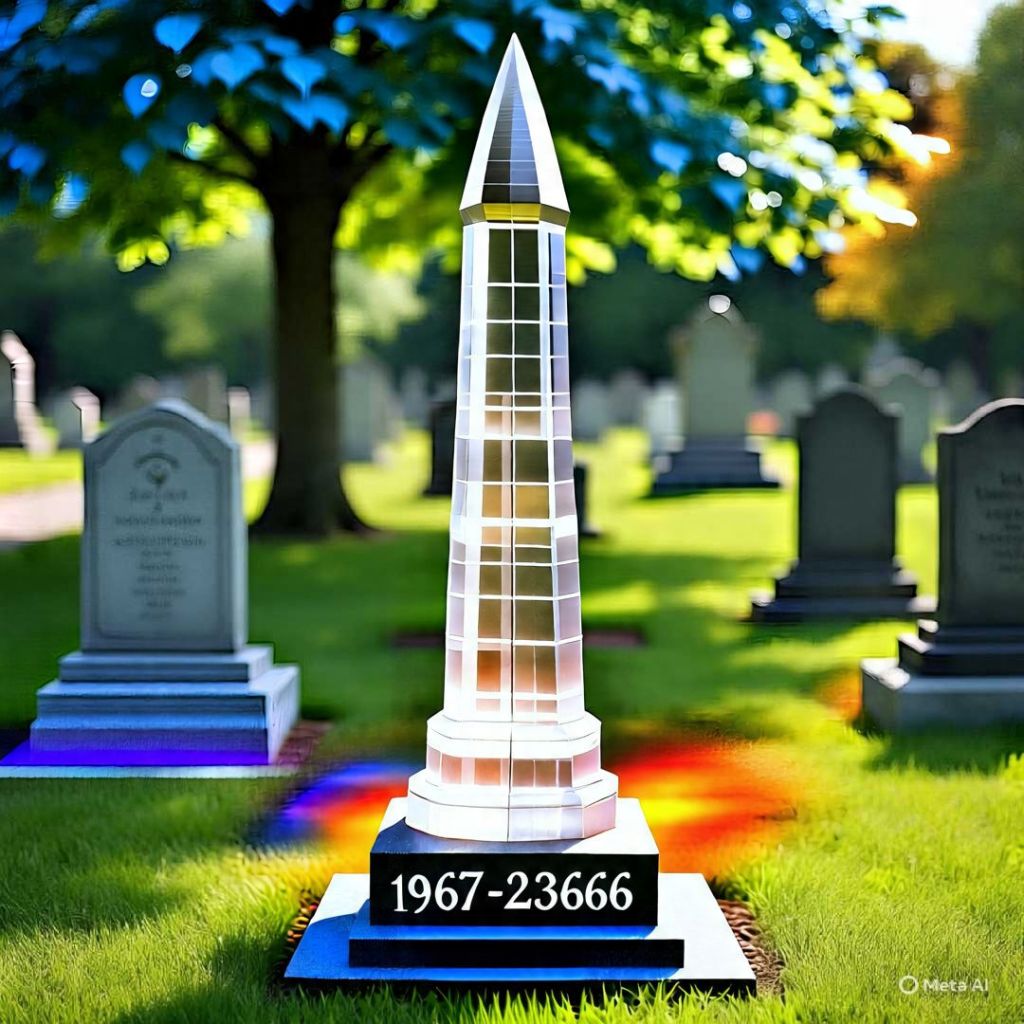
I was born in March 1967. My dad was imprisoned on February 1st, 1967. He was in prison for two years, ten months, and six days. That’s a lot longer than anyone ever mentioned to me when I pressed them for information. Dad was living in Indiana before his arrest, which is the first documented proof that my parents were not living together. Dad joked that he had been in Alaska. He didn’t make the joke often because being in prison wasn’t something he talked about unless he was drunkenly telling people.
Less than four months after being released from the Indiana prison, my dad was involved in the death of a maternal cousin during a DWI incident. My Dad didn’t suffer any charges for this. Regardless of how people feel about me saying so, connections kept him out of trouble. Monroe County, Arkansas, was a different place then. The Terry family didn’t hesitate to use those connections to quash any concerns. Had my Dad been held accountable, it might have caused him to return to an Indiana prison. His parole wasn’t discharged until almost eight months after the DWI death.
When I’m thinking about my life or talking about it, I mention that I lived with my maternal grandparents while Dad was in prison. I wonder what life might have been like had he not returned. Whether his presence would have been substituted for another man of similar temperament. It’s all speculation. I wouldn’t have my other sister had Dad not returned, or if he had been put back into the system.
After the DWI death of my maternal cousin, Dad jumped into a highly questionable affair. It took me years to piece together that one of my earliest memories of standing up in the back seat was one in which I accompanied my Dad to Clarendon beach with his affair partner. Mom said that I couldn’t possibly remember it. Normally, I’d agree. Growing up that way tends to erase a lot of memory. But that memory stuck with me.
After that affair debacle, Dad engaged in another affair, one that led to the birth of my sister. I didn’t realize until I met her that her birth explained my family’s sudden departure from Dad’s beloved Monroe County to Northwest Arkansas. Away from my grandparents and some of my maternal family, who would have altered the trajectory that Dad’s behavior brought upon us.
I’m sharing this because I feel vindicated for finding more pieces as time passes. I’m not revealing anything that should not have been disclosed to all of us. The foolishness and false family honor of those who demanded secrecy still bother me. Then again, I’ve come to learn that this tendency governed their lives. Several of them were completely different people than their demeanor indicated.
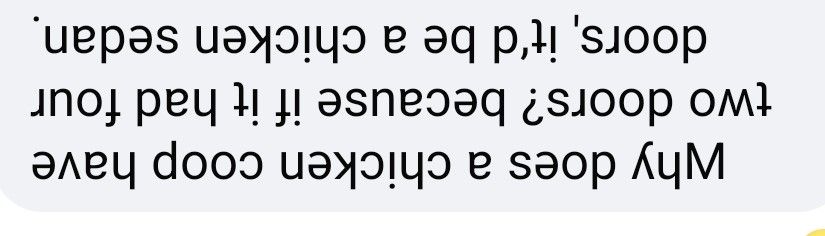
I wrote a powerful rebuttal to something recently. I haven’t posted it. In doing so, I came up with a quote that covers much of problem inherent in what I wrote about. The quote in the picture is a snippet of the words I conjured.
Our society will not function unless the prevailing notion that ‘live and let live’ governs us. Politics is a choice, much like religion, opinion, or what color underwear you choose. X .
If you know where to look, there’s a hidden field along Green Acres Road. And if you’re out early enough walking in the magical hour before dawn, you can stop and watch the bats frolic. If you stand next to the beautiful decaying tree and look up, the bats will perform for you. Although the approaching morning sun diminishes their visibility, you can look up and see the moon and Venus twinkling. I don’t go watch the bats often enough.
It’s not that most people truly believe that news is fake or not.
It’s identity.
You can’t put all your eggs into a basket and have contradictory information presented to you.
It’s an assult on your sense of identity. That’s uncomfortable for people.
If you are demonstrably wrong, you have only two real options: acknowledge the information, accept it, and incorporate it into changes of belief and opinion. The other option, one we see all the time, is to become defensive and reject both the information and the need to adapt to it.
Information isn’t dangerous. Rejecting anyting that doesn’t conform to objective reality, however, creates a majojr problem for rationality and reason, both of which allegedly drive most of ur lives. This tendency to reject information has significantly warped our ability to live in society. Appeals to reason aren’t revered as they once were.
It can be religion, politics, science, or behavior.
Even though I’m not explaing myself thoroughly, something simliar came up earlier in the week. Someone was incredulous about weather prediction, doubting the way it is done, etc. They lacked a significant grasp of basic science. Among those things were not understanding the proximity of Doppler radar or how the curvature of the earth affects rapid detection of dangerous storms. While I didn’t have to spell it out, I watched in real-time as the person struggled to find a way to admit they didn’t understand what they were complaining about. From that inablity came further assertions that aren’t sustainable. There is no harm in admitting we don’t know. All of us are ignorant about different things. But all too often people double down. I respect people more if they say, “I don’t know” or “I don’t understand.”
Science is the best example to use that creates the least anger. Its very nature is to suggest an explanation and then test it. Conclusions must change with new evidence. It’s how we have medicine, technology, and industry. All progress depends on it.
If you ask science, “Is there a god?” it can say, “I don’t know.” The ability to say “I don’t know” is a hallmark of genius. It doesn’t say, “There is no god,” because negatives can’t be proven. It says, “Tell me more,” because information doesn’t threaten the scientific process. Uncertainty brings investigation and thought. Certainty brings rejection and stagnation.
Any system of thought or ideology that precludes questioning is, by its nature, close-minded. Any answer that is supposedly obvious would mean that most people would agree. Observation proves that to be false.
If you’re not a “tell me more” person, you’ve cut yourself off from knowledge and growth. Saying “tell me more” doesn’t weaken your theology or faith. It doesn’t have to dilute your politics. As I like to say, when we look at our past, we shake her head at some of the things we believed. It’s easy to admit you’re wrong with enough time. But somehow we all too often like to think we’re not wrong, even though our own lives prove we have been multiple times.
I think most of us prefer “tell me more” people.
I know that the bean soup people might read this and completely miss my point. Or focus on one small aspect of what I’ve written. If you don’t know what bean soup people are, that’s a discussion for another day.
If you’re interested in the wisdom of experience, I’ve got some words for you. I did the peculiar thing that I sometimes do and asked an older man to hit me with some important things he had learned.
“Who we are is who we are going to be,” the older man said, his face rigid with the wrinkles of certainty and experience.
“These lips are mine and are the same lips I used to excuse how I wasted my youth. Putting off things I should have done. Listening to what people say instead of watching what they do. ‘I’m gonna’ is for sure one of the dumbest things we say to convince ourselves that talking about it is the same as doing it. And when we hear other people say it, most of the time we know they’re not gonna. Stop drinking. Stop smoking. Not waste money. Get out and enjoy life where they can. How do I know? Because if they wanted to, they would be doing it now instead of talking about what they’re going to do. If we ain’t doing it today, we ain’t gonna. You gotta work with what you have and stop waiting for the perfect day. You might not get another sunrise. Nobody never got anything done by waiting for it. Don’t waste your time arguing with people or the world. Likely you can’t change them. Wanting things to be another way is like trying to get full by smelling what’s cooking on the stove. The fewer things you want or think you need will get you pretty far.”
“Anything else?” I wanted to give him the chance to add if he wanted to.
“Nah. If somebody can take two or three things out of all that and do them, they don’t need much else.”
I thanked him and told him I hoped he would have a good afternoon.
“I will. I’m going to sit down and do nothing. It’s amazing how far doing that can get you most of the time.”