A Treehouse Filled With Love

Tom Mason’s neighbors watched him surreptitiously through the long months after his son Tommy died unexpectedly. He quit his job, cashed out his retirement, sold his two vehicles, and rid himself of almost every furnishing in his house. Audrey left him a week after Tommy’s funeral. Those around Tom could smell the smoke from his grill nightly. No one suspected that he slept every night under the stars. Though Tom was still friendly, he no longer accepted invitations to socialize, and no one visited him. He waved and smiled at them as they passed his house. In time, he lost at least seventy pounds and grew a beard past his neckline.

Tom spent hours outside working on the impressive treehouse he erected high up in the backyard trees. The yard transitioned to dense trees and foliage behind Tom’s house, an area technically owned by the township. Tom strategically built the treehouse on the edge of the unmaintained property. People wondered if he had permits for the work, but no one dared break the taboo of reporting him. Losing a son had short-circuited something inside him; no one wanted the burden of being the one to shatter him completely.

Two months after starting the mysterious project, he was the talk of the block when he spent one entire day back there tearing it all down. The neighbors wrongly assumed he abandoned his plan to build a treehouse. Some of them expected a bonfire to follow the demolition. They realized later that most of them collectively held their breath that night, waiting for something terrible to happen. It didn’t.

The next morning, several of them laughed in relief when they saw the local lumber yard send a construction truck to Tom’s house. It unloaded an impressive load of lumber. By 8 a.m. Tom was already up in the trees without a harness or safety scaffolding. He’d torn down the weeks of work because it wasn’t perfect, and he knew he could do better.

Day after day, Tom stayed outside, experimenting, measuring, and learning new skills that he added to the structure. At times, the neighbors could hear the echoes of work being done inside the house, too.

One night in July, after most neighbors finished late suppers, lights came on in the trees, casting an eerie and beautiful bouquet of illumination into the adjacent yards. Tom learned wiring at some point. A few nights later, people craned their necks from his neighbor’s yards to note that he’d erected light posts across the perimeter of the property, as well as installed solar lights on the city property behind it. Lights curled around trees, and some of them were vivid colors: blue, red, and soft green. Most neighbors would have been shocked to know that Tom installed an array of solar batteries in weatherproof containers, ones concealed in the foliage. He installed an electrical subpanel in the back, too, for times when solar power wouldn’t suffice. He wanted the next occupant of the house to know that he thought of every eventuality.

On August 3rd, each neighbor awoke to discover a hand-printed envelope on their front door. To each recipient’s surprise, inside was an invitation to a party at Tom’s house on Saturday. Though the notice was short, no one considered not attending. Curiosity consumed everyone. Later that morning, dozens of calls, texts, and emails passed between the neighborhood’s connections.

The following day, cargo and utility trucks arrived, each with a different specialty emblazoned on the vehicles’ sides. Electrical, cabinet, ironworks, painters. Tom had a vision for his treehouse. By noon on Saturday, all the hired help departed, and a strange silence fell over Tom’s house. No one felt at ease. Months had passed with an endless series of new sounds. Tom’s project was done. The neighborhood once again held its breath, hoping that nothing terrible would happen. By 6 p.m., everyone was tapping their feet in anticipation. By 6:30, people lost their ability to wait and found themselves walking to Tom’s house early.

As each person or couple walked up to Tom’s front door, they discovered to their delight that a man dressed in a bright blue suit stood at the front door. He handed each party an envelope. “Please don’t open it until Tom makes the announcement.”

Inside the door, Tom stood. He was tanned, healthy, and smiling. As if his son hadn’t died and his wife left him, he smiled ear-to-ear, and he hugged everyone. “Come inside. Go anywhere in the house you want. Just don’t go outside yet.” By 7 p.m., all the people who received invitations were inside the house. Slightly after 7, Audrey came inside the house. Without saying a word, she hugged Tom fiercely for a few moments and then went for a drink.
Each guest noted that Tom had utterly remodeled the inside of the house, too. Wood floors, new furniture, walls removed, and custom tile work through the bathrooms and kitchens. It was a fantastic transformation, fueled by grief and unlimited time. In the kitchen, Tom built a fifteen-foot long sapphire river table that had inlaid lighting. On its wooden edge stood buckets of beer, wine, champagne, and carafes of bitter coffee.

“Drink! Enjoy!” Tom shouted until his guests realized he meant it. Everyone breathed a sigh of relief.

“Now, outside,” Tom said, ensuring that everyone had a drink of their choice as they exited. Tom also replaced the back patio. Instead of broken concrete, his guests discovered that he’d carried the custom tile and brickwork outside. Hand-carved columns now supported a raw wood roof that smelled of fresh wood. Along one side of the new patio stood several tables, each also built by Tom. They were filled with bbq, salads, chips, and a thousand condiments. Two younger women stood by, keeping everything replenished. Another woman stood near two large gas grills as smoked slowly made its way out.

“Let’s eat!” Tom said. And then he added, “Before the big event.” He smiled as if he knew a secret. He turned to a panel by the double french doors leading the patio and pressed a button. The entire backyard exploded in soft colors. A thousand subdued lights suddenly illuminated the whole back yard, all the way into the trees. Several people gasped at the unexpected beauty of the lights and colors. From somewhere, soft music filled the air.

“Seriously. Let’s eat.” He clapped, and though people still gawked at the lights, they began to eye the food selections eagerly. For thirty minutes, the guests consumed their food with abandon. Tom moved among them, talking and smiling. Everyone kept watching Audrey as she occasionally approached Tom, touch his arm, and speak to him softly.

The lights dimmed and brightened a few times, a signal that the ‘event’ was due to start. A hush fell over everyone.

Tom climbed up on one of the tables in the grass.

“Everyone open their envelopes.” He laughed.

Each guest or couple tore the seam of their respective envelope. Inside was a single sheet of gold paper:

“We lost Tommy a year ago. And it destroyed us. He wouldn’t have wanted that. It ended our marriage. We had a beautiful house, a beautiful ten-year-old son, and beautiful life. I’ve spent a year making this house one anyone could be proud of. And we are proud again. We are doubly proud because we are giving this house to the Leer family. The Leers, for those who don’t know them, have three kids, one two, one four, and one eight years old. They live two streets over. This remodel is a gift for them, so that a family can once again live in this house. I built the treehouse for the kids. Tommy always wanted a treehouse. I took for granted that we would have time to build it. Everyone welcome the new owners, the Leer family. They are not here tonight. We gave them the news yesterday. We’re moving to their house Monday. Audrey and I love you all.”

No one spoke. From somewhere, someone clapped. And then another. In a few seconds, everyone was applauding. As the crescendo of applause deepened, Tom hung his head and looked at the ground. When he raised his head, tears rolled off his face. He did not attempt to conceal them or wipe them away.

Tom raised his hand. “Now, let’s go look at the treehouse, shall we?” Audrey walked over to him and took Tom by the hand as he led her to the rear of the property.

Ahead of them, the colorful lights lit the way.

Darkness had departed.

*

The Bus To Nowhere

The bus station was long past its prime. Nothing about it caught the eye. Even the once-polished metal looked abandoned and ready for demolition. When Mayor Gates built it in 1965, Wheaton’s residents were in a fugue of excitement, anticipating that the new interstate would revive the economy. As happens in so many other towns, they didn’t realize that the speedy conduit would rocket people away from their respective hometowns and rupture their connection to home. When 1970 came, no one noted that the town had passed its zenith.

Zeke stood along Main Street, his eye carefully absorbing the details of the surrounding businesses. Most were long-shuttered, and none of the marquee signs were freshly-painted or modern. He only returned this time to sign away his parcel of land along Sherman Street. The house had been demolished years ago. His distant cousin Jermaine wanted it to build another house across two lots. Zeke was happy to reward him for staying and keeping roots here. Few could do so.

Zeke departed Wheaton for the Army the week after high school. Vietnam was a concern, but college was not an option for him. He witnessed a few people come back as completely different people. Unlike many of his contemporaries, Zeke loved the Army. He stayed in for eight years until he met Sally Jenkins. They married and moved back to her hometown in Mississippi. To Zeke’s surprise, her hometown was exactly like Wheaton, a declining farm town with few jobs. She died in 1992 of an inoperable brain tumor. Zeke never remarried, though a couple of women asked him. For reasons he couldn’t explain, he stayed in Sally’s hometown. Zeke appreciated it in a way that he couldn’t love Wheaton.

Zeke’s mind drifted back to 1965.

The day the bus station opened, Zeke was ten years old. His Mom told him he was going to witness history and insisted that he accompany her downtown. She also made him dress up, including a tie and hat. All he remembered were people talking excitedly about an old bus as it pulled into town. The town newspaper sent out a junior reporter who animatedly took pictures of the ribbon-cutting and people stuffing hot dogs in their faces. The diner next door, owned by Mayor Gate’s brother, gave out free soda, coffee, and hot dogs. Zeke quickly consumed four hot dogs, much to the embarrassment of his Mom. She stopped him as he went for number five.

Zeke escaped his Mom’s rebuke and sat on an extended bench on the side of the building. The relief driver who came in on the bus sat there, too, smoking a long cigarette. He offered Zeke a drag. After carefully considering that someone might see him, he declined. Zeke acquired a taste for smoking when he was seven. His uncles gave him cigarettes regularly when his Mom wasn’t paying attention. To his Mom’s credit, she pretended that she couldn’t smell the stench of tobacco on him. She was a mix of disciplinary contrast, and it was her voice of conscience he heard in his dark moments of indecision.

“What’s so special about a bus station?” Zeke asked the middle-aged and weary driver.

“They think it will save them. It won’t. It will siphon all of you out of here. I’ve driven all over the United States. That is what happens.” He took another long drag of the absurd cigarette and laughed. “Can’t tell adults anything, though, right?” He asked. Zeke couldn’t tell if he was serious.

Zeke sat on the bench with the bus driver, talking, for at least thirty minutes until the crowd realized that no further excitement would ensue. A few minutes later, the bus pulled away from the new bus station without any additional passengers. Zeke waved enthusiastically as the tired passengers from other places watched him recede from view. He had a fresh pack of Lucky Strikes in his pocket, a departing gift from Petey, the driver.

Zeke thought about the intervening years, fifty-five incredible years. In the interim, the town dwindled by two-thirds. Zeke’s return trips gradually declined. After his Mom passed, he stopped coming for obligatory funerals, too. His hometown had become a reunion base for those who refused to leave. With each visit, a little bit of vitality disappeared from the buildings and the faces of those there.

Another bench now stood against the side of the old diner building. Though it probably had been replaced repeatedly, the bench there looked to be one hundred years old. Zeke could still picture the relief bus driver in his uniform, sitting there and smoking in the early May afternoon sun. He could almost taste the mustard-covered hotdogs he had indulged in, too. Zeke found himself walking toward the bench to sit down. As he did, he stretched his legs out in front of him.

His imagination filled his head with the remembered murmur and the excited chatter of the people assembled here in 1965 to witness the new bus station being christened by the arrival of a tired Greyhound bus.

Zeke decided to sit there for just a minute. He felt exhausted, and his memories weighed on him like nostalgic sandbags.

Two hours later, one of the residents walking her dog found Zeke sitting on the bench, his hat askew, his eyes wide open to the receding sun.

He wouldn’t leave Wheaton after all. He would have been happy to know he hadn’t escaped. No one escapes where they are from, and if you consider the implications of this truth, a big piece of your heart will swell and float away.

Can You Handle The Truth Sauce?

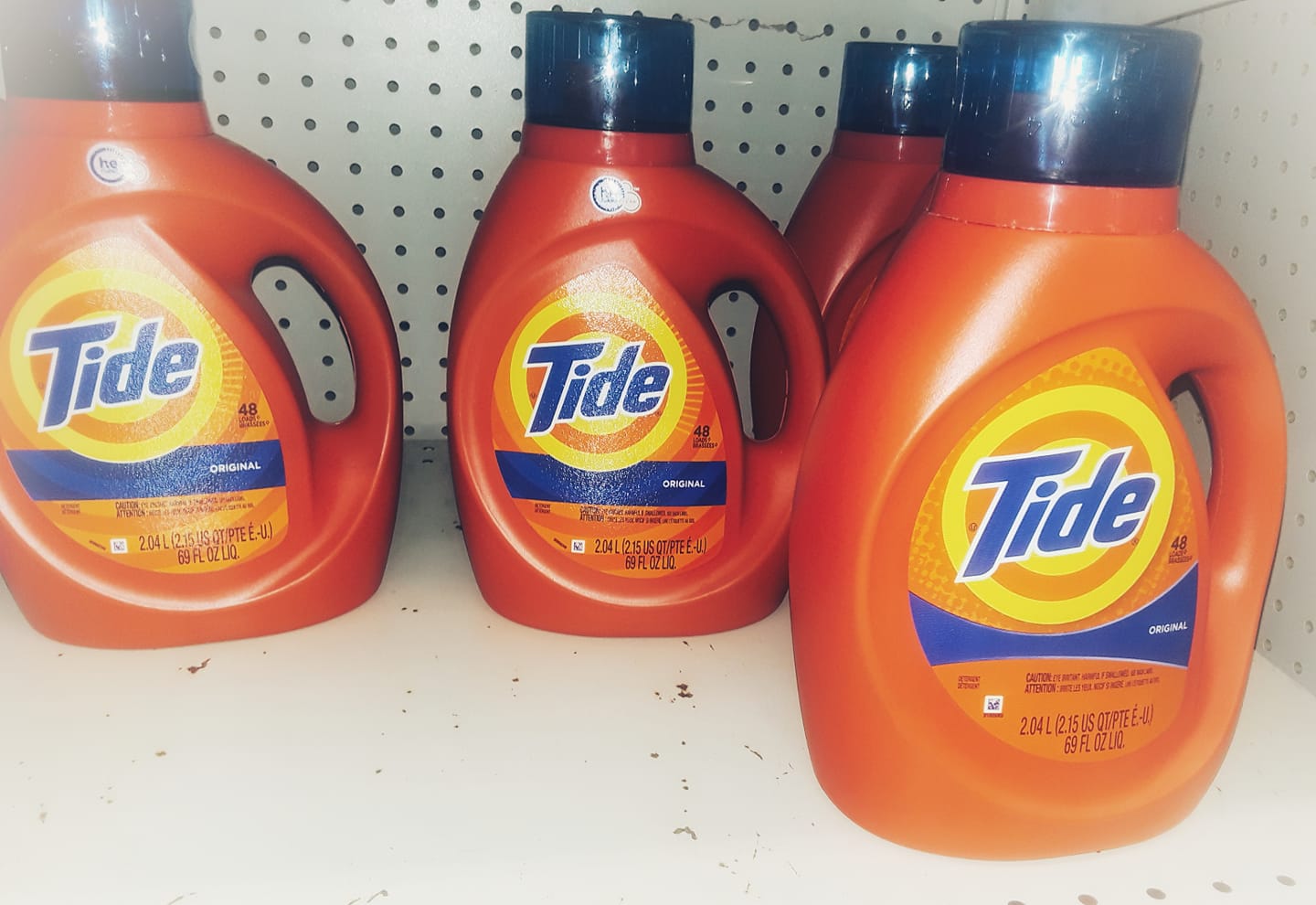
Truth sauce is a product made right here in Arkansas by a proud Arkansan.

I didn’t hear about this product until yesterday. Miraculously, I ordered it, and it arrived today, just in time for lunch.

I heard about it through a social media friend. Something about it beckoned me to try it. Maybe it’s the halo-topped logo or the catchy product name. Whatever the impetus, I am glad I gave the product a try.

This isn’t a paid endorsement. I have never met the company’s owner.

The signature sauce is a subtle blend of flavors akin to barbeque sauce and Thai chili sauce, except that Truth Sauce tastes velvety and does not cross the line into excessive heat. For fans of barbeque sauce, you owe it to yourself to give this one a try.

If you need an excuse to try it, buy it for someone who loves good food and invite yourself over to try it.

The sauce can be used as a glaze, as a traditional bbq sauce, or as a dipping sauce. Though I have not tried it with egg rolls or rice, I am convinced it will be delicious. The fact that it tastes like a hybrid product in no way lessens the number of ways it can be enjoyed. The same cannot be said of sauces geared specifically toward one kind of food. Barbeque enthusiasts will insist it is the perfect glaze or sauce, while Asian fans will shake their heads in disbelief, knowing it is obviously for their type of eating.

The brown sugar, lime juice, and lemon oil in the sauce combine for something entirely different. Please trust me when I reiterate that the sauce isn’t designed to be hot. “Sweet Heat” is the perfect description, unless the owner wants to add “Sweet Velvety Heat” to the label, which I think more accurately describes the taste and texture.

The sauce and seasoning can be ordered online or picked up in a few locations around Little Rock.

The seasoning is 6.5 oz. The sauce can be ordered in 15oz or a gallon. You might as well save yourself some trouble if you’re an eater and buy the gallon jug. You’re going to need it.

After I ate Truth Sauce for the first time, I found myself in the kitchen, pouring a tablespoon of it and tasting it repeatedly to detect the flavors. You’ll be doing the same.

The seasoning can be used on anything: hamburgers, popcorn, french fries, fish, beans, and probably a hundred things I haven’t thought of.

Below are pictures for nutritional information and ingredients.

https://truthsauceinc.com/

Company Website

Autopsy Of Moments

The autopsy of moments is one of the ways I describe the ceaseless soliloquy in my head.

Words, deeds, inaction, reaction, and effervescent distraction.

Can you imagine the silence of your mind if the autopsy of your moments suddenly dissipated?

Would you feel peace, or as if a piece of the essential you died?

I’m asking honestly.

Not everyone feels an affinity for their mind observing itself and the world.

The entire world spins around you, independent of your thoughts.

What a fascinating place.

I find myself enjoying the zen moments of quiet, but even as they overcome me, I want to whirl and dance with the thoughts that consume me.

Yet, I sit, pondering. The booming in my head is silent to the world.

And you?

Love, X

I see

We say ‘eye contact’ as if it really is.

Our focus slides off without knowing anything about others, limited to a dismissive and cursory glance. We are afraid to be caught observing other people as if watching and experiencing people is a crime against which we have no defense. So much of our life is spent hiding our attention, interest, or admiration. “Listen more closely,” people tell us. But also, “Observe more closely.” That’s where our humanity reveals itself. – X

A January Silhouette

Alex sat in the nondescript sedan, huddled into the driver’s seat, hoping the shivers would soon subside, and cursing under his breath. Two hours standing against a wind-swept building in January made him question his choices. The man he was supposed to meet didn’t appear at 9 p.m. A friendly black cat kept him company, sitting at his feet as if it were waiting for someone as well. Alex waited another hour until the cold seeped into his joints. Knowing that texting their mutual acquaintance would be pointless, he carefully walked back to his borrowed car. As the car warmed, some of Alex’s ability to reason returned. He knew he would need to go back and wait, even if the person he was to meet took all night to make an appearance. So, he sat and felt the warmth of the vents surround him. Twenty years of this job made him cynical. And also practical. Five more minutes.

As he shut off the ignition and opened the driver’s door of his car, a gunshot echoed through the alleys of the nearby buildings. Unlike what happens in tv shows, Alex’s pulse quickened involuntarily, but he did not react. And he didn’t rush to hurry. Only fools or rookies barge into gunshots. Also, he knew in his gut that the man he was supposed to meet undoubtedly was the one receiving the bullet. Men like him invited such calamity. Alex calculated the odds of the police arriving in less than five minutes. He shut the car door and walked back toward the place he’d waited previously. As he neared the spot, Alex saw a body on the ground. A light above one of the stores’ rear doors provided enough illumination to see the body slumped against the bricks and cement. The friendly black cat sat a few feet away, watching. It didn’t surprise Alex that the gunshot hadn’t scared the cat. Like Alex, it had undoubtedly seen a lot.

Alex paused and listened for approaching cars, voices, or footsteps. Silence. He moved along the edge of the wall, face tilted down in case of clandestine cameras. He pushed against the slouched body with the tip of his right shoe. Dead. Alex crouched to his knees and carefully put on a nylon glove, which resisted stretching in the cold. Using his left hand, he pulled the torso of the body toward him and over.

For a few seconds, Alex’s mind went blank. Nothing in his twenty years of this crazy life prepared him for what he saw. He always considered himself prepared for anything. Alex remained crouched, staring at the face on the ground. It was his own face, detailed down to the bullet scar across the bridge of his nose. Alex reached down and inside the corpse’s coat. He removed the wallet and flipped it open. He saw himself in the driver’s license photo. Everything in the wallet looked identical to the same wallet he had inside his coat pocket.

Alex didn’t notice the approaching figure, stealthily moving behind him. He didn’t see the arc of the baton as it descended on the back of his head, knocking him unconscious. The cold cement welcomed him as he fell.

The black cat, having seen enough, meandered away into the darkness.

*

A Renewal Of Vows

From somewhere across the plaza in the revitalized small-town downtown, the sounds of a soft piano wafted into the air. Alex shifted uncomfortably, without realizing the piano brought unwelcome anxiety as it reached him. He nervously took a large sip of his bitter coffee, burning his throat a little. He relished the distraction of the pain. Across from him at the nearest table, a couple sat quietly in the fading afternoon light. Neither had spoken for the last twenty minutes. He knew they were both wrestling with ending their marriage, though for different reasons.

Alex felt their pain. It gave him no comfort to know that he would end their stagnant conversation for them: the husband wouldn’t leave this place alive. Seventy thousand dollars in Alex’s bank account guaranteed that Steve wouldn’t walk away. Though he didn’t know the details, he studied Steve’s life just enough to understand that he had crossed the line with a business partner. His wife Kathy was blameless.

Alex and the couple were the last three people in the plaza. The approaching chill encouraged the others to leave. The restaurant attendant tasked with keeping the shared area clean moved to clear the remainder of the tables. Alex indicated that he could take his coffee cup and saucer, as well as the $10 bill for the tip.

Just as Alex prepared to stand up and do what he came for, Steve looked across the small table and said, “I love you, Kathy. I’m not having an affair. My partner Mark is embezzling. He’s ruined us.” Kathy unexpectedly reached across the table and grabbed her husband’s hand. “I’m so sorry! I love you.”

Alex rarely saw anything to surprise him. They still loved each other.

Alex stood up, stretched slightly, and walked over to the couple’s table. “Have a good evening, both of you. And great lives,” Alex said to them. They look at either confusedly, and then both said, “You too!” reflexively.

Alex walked across the plaza to find his car. His plans had changed. He would kill Mark, the partner.

He hoped Kathy and Steve would consider it a belated wedding present from an interested bystander.

An Unwelcome Hand

This picture is the best representation of how fear, doubt, and insecurity can infect you.

No one is immune to the clutching fingers of our lesser emotions.

No one.

Perversely, such emotions initially comfort us – because they are frequent visitors to our secret hearts.

They do not leave easily.

I Look Lovely?

I dropped by the Salvation Army store after work. It was the location that I would choose last if I were going for a better selection. As it turns out, I was completely wrong. Time hasn’t been kind to that area of Springdale. I lived near there more than once and my head and heart have many memories of the area.

I found a suit coat immediately. Because I’m much smaller now, I picked up the one I liked. And it fit. It complements my favorite vest, too. I promised myself that when I lost weight, I was going back to my eclectic (weird) way of dressing. Until today, I bought my other ones new. For a combination of reasons, suit vests and coats are more difficult to find.

I’m not sure if I will have another pair of pants with one leg altered to end mid-thigh and the other full-length though. I might. Years ago, the seamstress looked at me like I was crazy when I told her I wanted one leg to be mid-thigh shorts and the other full-length leg. She did it, though. If you’re picturing me conducting a series of shenanigans to catch people off guard, yes, you’d be right.

Today, I went around the long coat rack, with a motley assortment of quality, colors, and styles. My eyes went directly to a dark coat with a set of vertical floral designs. Without hesitation, I knew it was the coat for me.

I walked over to the cracked mirrored column and twirled around. Two Latina women watched in amusement. They were a little startled a few minutes later when I spoke to them in Spanish. Is the coat really for you, they asked. Heck yes, I told them. We all laughed.

Looking closer, I realized that the buttons were on the wrong side. And that it was clearly in a section for women. I picked it up and tried it on. Great fit.

And one of the large front buttons was missing.

Sold!

In another admission, I don’t currently own a ‘real’ winter coat.

But now? I own this fabulous floral coat, one which clearly indicates what I’m all about.

I’ll leave it to you to decide what that might be.

Love, X

A Hint Of Murder

~One~

It had been a typical Friday night until his cellphone rang. All calls routed through the office system caused his phone to ring with the sound of a baby crying. Sheriff Taylor learned through experience that the sound would wake him from the dead. If it failed to rouse him, it certainly woke everyone around him.

Sheriff John Taylor sat on his plush living room couch, with plans to stay there until the next morning. His wife Jamie often told people she’d find the Sheriff loudly snoring, with the television still playing an endless list of home improvement shows. It was true. The Sheriff loved all of them. He didn’t need the woods, bar, or a fishing pole, which suited Jamie just fine. Before coming back home to take the Sheriff’s job, John caused her many nights of worry.

Because his back and hip hurt a lot, sitting up to sleep sometimes was his only recourse. He knew if his cell was ringing that one of his deputies decided to ignore his do-not-disturb order for a good reason. Even Burt Reynolds, his bloodhound mutt, raised his head in protest of the cellphone ring. Dogs weren’t fans of babies crying, as it turns out. “Okay!” the Sheriff grumbled as he reached for his phone on the table.

“Go,” John said to the voice on the line. He nodded his head a few times as he listened. “Will be there in twenty.” Sheriff Taylor preferred concise work-related communications. Except for Deputy Barnes, all of his deputies diligently adhered to his taciturn way of speaking. Barnes graduated from college with a Master’s in English and Latin.

When the Sheriff pulled into the long driveway, he saw that two of his six deputies were parked on each side of the drive while leaving ample room for other vehicles. As he’d trained them, neither had their lights flashing. Unless someone was in danger, lights were a ridiculous distraction. Most days, the Sheriff didn’t even require that his deputies wear uniforms. They were fiercely loyal.

He walked up to the porch as Deputy Hensley told him the little bit he knew. “Call thirty minutes ago, anonymous. Gunshot. I arrived, front door open. Jimmy next to the kitchen table with a gunshot wound to the head. Dead.” The Sheriff nodded and went inside as he opened the screen door to the house. It banged shut behind him.

His other deputy took pictures as he walked around carefully inside the house. Jimmy was on the dirty linoleum floor. Blood pooled around his head and shoulders. The Sheriff noted the small hole in Jimmy’s left temple. He couldn’t see the exit wound. A dark spray pattern was visible across the fridge. Every inch of counter space contained dirty dishes and empty beer cans and bottles.

Deputy Barnes walked into the small kitchen behind the Sheriff. “Suicide?” He asked. “Or did Jimmy succumb to the unnaturally unkempt condition of his own residence?”

Ignoring Deputy Barne’s flowery language, the Sheriff said, “Too soon to say. But if it is a suicide, someone will have to explain why there are two other water rings on the ends of the table.”

Deputy Barnes looked at the table, surprised that he had missed that detail. He picked up the half-empty beer bottle from Jimmy’s presumed place at the table. A water ring formed there from the beer bottle’s condensation. “I surmise the bottles aren’t in the trash. Someone outwitted themselves, didn’t they?” The Sheriff nodded affirmatively.

It was going to be a long night.

Someone would have to find Jimmy’s dad, Tiny. They’d start with the dives and bar parking lots in Evansville. And the Sheriff would find a way to sober him up enough to tell him someone probably murdered his son. Jimmy was Tiny’s youngest son. Both other boys had died in the last eighteen months. Counting Jimmy, this was the Sheriff’s first murder case in his six years on the job. He was beginning to get a tickle in his brain, one that told him that Jimmy’s brothers might have been murdered too. The Sheriff never ignored those tickles in the back of his head. They saved him several times at his last job. The last time he ignored one, he got six bullets to show for his carelessness. Not to mention a furious wife. The Sheriff knew that the wife had been a more significant risk to his health than six bullets.

As the Sheriff turned to Deputy Barnes, the deputy said, “Protocols commenced, boss.”

~Two~

The night did indeed drag on. By the time Sheriff Taylor drove back to his own house, the sun was over the horizon, blinding him. His right hip flared with a pain that he couldn’t ignore. A dark sedan sat next to his mailbox, engine idling. The tint was so dark that he couldn’t see the occupant. The car screamed, “Federal Government.”

Sheriff Taylor exited his vehicle and pocketed his keys. Instead of going inside, he turned and walked back to the mailbox. Without seeing the occupant, he made the universal sign to “roll down the window.” The dark window slithered down, revealing a shockingly young face. The agent inside smiled, revealing brilliantly white teeth, the best that money could buy. He held up his identification card, one emblazoned with “Special Agent” on the front. “Agent Shatner. Get in.” He tilted his head quickly to the right, indicating that the Sheriff should get in the passenger side.

Instead of arguing and asking needless questions, the Sheriff walked around the front of the car. As he did, he looked up to see his wife Jamie watching from the porch. He motioned that he was going to be a while longer. Jamie waved and went back inside. Years of being married to a mercurial cop taught her to conserve her commentary for later.
The Sheriff opened the door and climbed inside, shutting the door behind him.

Agent Shatner put the car in gear and accelerated away. “It’s better for you to see this first, Sheriff Taylor.” The agent was surprised to see that the Sheriff only nodded and remained quietly watchful from the passenger seat. They drove in silence for ten minutes. Agent Shatner turned off Highway 47. As they neared Hunnington Creek, Sheriff Taylor noted that a red pickup truck was parked near the bridge on the creek’s Evansville side. Beyond was Hunnington County, outside the Sheriff’s jurisdiction.
Agent Shatner pulled over, turned off the ignition, and climbed out. The Sheriff followed suit. A man dressed in blue jeans and a Georgia Tech t-shirt got out of the red truck as they did. “No issues, Agent,” he said and nodded to the creek. Agent Shatner wordlessly walked to the bridge.
“That’s going to be a problem, Sheriff,” he said, as he pointed to the opposite creek bank.

When the Sheriff peered over, he saw two dead bodies, men at least forty years old. He recognized neither of them.

Because Sheriff Taylor didn’t believe in coincidences, he asked, “These two murdered Jimmy last night?”

“Yes, they did.” Agent Shatner said.

“Do you know why?” Sheriff Taylor asked.

“You’re not going to believe this one, Sheriff.”

~Three~