I felt clever because somebody challenged me to define enthusiasm.
I fake-stroked my beard and answered, “Imagine you’ve asked a friend to come over Friday or Saturday for dinner. If they say, ‘Of course. Let’s talk about what day or time,’ you get a definite feeling. If they say, ‘We’ll see’ or ‘Maybe,’ you get another feeling. The gap between those two is enthusiasm.”
This post is partially personal and also a metaphor. Or analogy. Although I know the difference, I don’t care about grammatical accuracy. If this post is all over the place, you can thank me later for taking you around the world with my shotgun storytelling.
In 2005, I visited my brother north of Chicago. He brought out a giant bag of tortilla chips, one suited for his appetite. Then, he brought out high-quality horseradish and made a two-ingredient dip. Although I’m laughing when I write this, my brother Mike might have held me down with one of his giant paws of a hand and inserted a horseradish-laden tortilla chip into my mouth had I persisted in refusing to try it. I grabbed a chip and loaded it. My brother’s eyes widened, and he laughed like a hyena because he knew I would eat the whole bite. Though it burned, it was delicious!
“See, you dumb bastard? I told you you would like it. This ain’t the horseradish Aunt Ardith kept hidden in a side shelf.”
Although my brother was one of those people who thought he was always right, I had to give him credit for insisting I at least try horseradish. The worst that could have happened is that I still would have hated it.
All these years later, I think about that. He did the same thing with guacamole after I refused to have some freshly made guacamole at what used to be my favorite Mexican restaurant in Springdale. Guacamole was the equivalent of turkish delight from C.S. Lewis’ Narnia tales.
I am now a world class aficionado of pico de gallo. For too many years, I assumed I wouldn’t like it because my mom made me automatically distrust onions. Onions were the second component of her one-two punch of seasoning, which consisted of onions and cigarette ash. It was a story of culinary violence in the South, never knowing if the potato salad or mashed potatoes would have fantasy-level chunks of onions.
The above anecdotes hint at much of our problem. Because I was naive and poor, I was rarely exposed to a wide swath of food, much less quality. My cousin Jimmy’s house was the crucible of exposure to many foods. Because of my dad, Bobby Dean, almost literally making me eat food at gunpoint, some of my first exposures to some things were less than ideal. That’s putting it mildly. Some of the food at my house was the equivalent of the discarded version of what you would find behind a dollar store grocery aisle. That explained my aversion to morel mushrooms.
And also horseradish.
I don’t remember how old I was when I first tried horseradish. I remember the time that soured me on it. It turned out to be old and nasty by any standard. So, it’s no wonder my first exposure was the equivalent of eating a goose-poop-filled donut. I was lucky to have Aunt Ardith and Uncle Buck. Without them, my life would have been much worse in several ways. Visiting my cousin Jimmy always guaranteed that I’d be well-fed and get to try a variety of things. I like to joke about the horseradish because it was one of the few times that Aunt Ardith convinced me to try something exotic (to me). She had the best intentions, unlike my dad. If he got a hint of an idea that I didn’t like something, you can be sure that I’d be eating a bucket of it. Aunt Ardith and Uncle Buck did their best to tell Dad to jump off a cliff when he behaved that way around them.
We have parallel aversions to many things resulting from our initial exposure. Look at most relationships, and you can see that it’s true. You had your heart broken. You repay your future self by carrying the mistake and believing that all relationships will turn sour. Or you think most people grew up without the love and caring everyone needs. You carry your words into the future, and all the potential people you meet indirectly pay for the wound. You either avoid deep relationships or insist the system is rigged and broken. The concept of relationships isn’t the problem; it’s us. You’re letting your version of horseradish tarnish your future with other people.
Life is horseradish and guacamole.
Be open to new things.
Be aware that you may have blinded yourself or made truth from experiences that should not be extrapolated into cynicism or isolation.
Although it is true that people rarely fundamentally change, it is possible both in outlook and preference.
Changing is, in part, acknowledging that the things, habits, and ideas that once defined you no longer do.
Only healthy people change their minds and their lives.
PS During this crazy election, I’ve had a few laughs because of my brother. He’s been gone for four years. In his later life, one of his proclivities was to be a blowhard, much in the ilk of Bill O’Reilly. My job was to be the liberal and sentimental brother that drove him crazy. And as I was fond of telling him, the person left standing gets the last word. Since I bought gallon by the ink, he didn’t have the temperament to keep up with me. If he were still alive, he’d be pissed off at me constantly. But I miss it. Not the anger of the last few years; that period owes its shadows to alcohol and unresolved trauma. I miss the undeniable intelligence of my brother, even when he used it to wither my well-intentioned arguments. I absorb a lot of the election craziness and play a dialog in my head, one in which my brother is the one repeating conspiracy theories and horrible rhetoric. My brother taught me that if you can’t argue the facts, you pound the table. If that fails, flip the table.
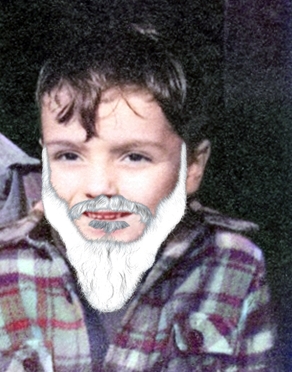
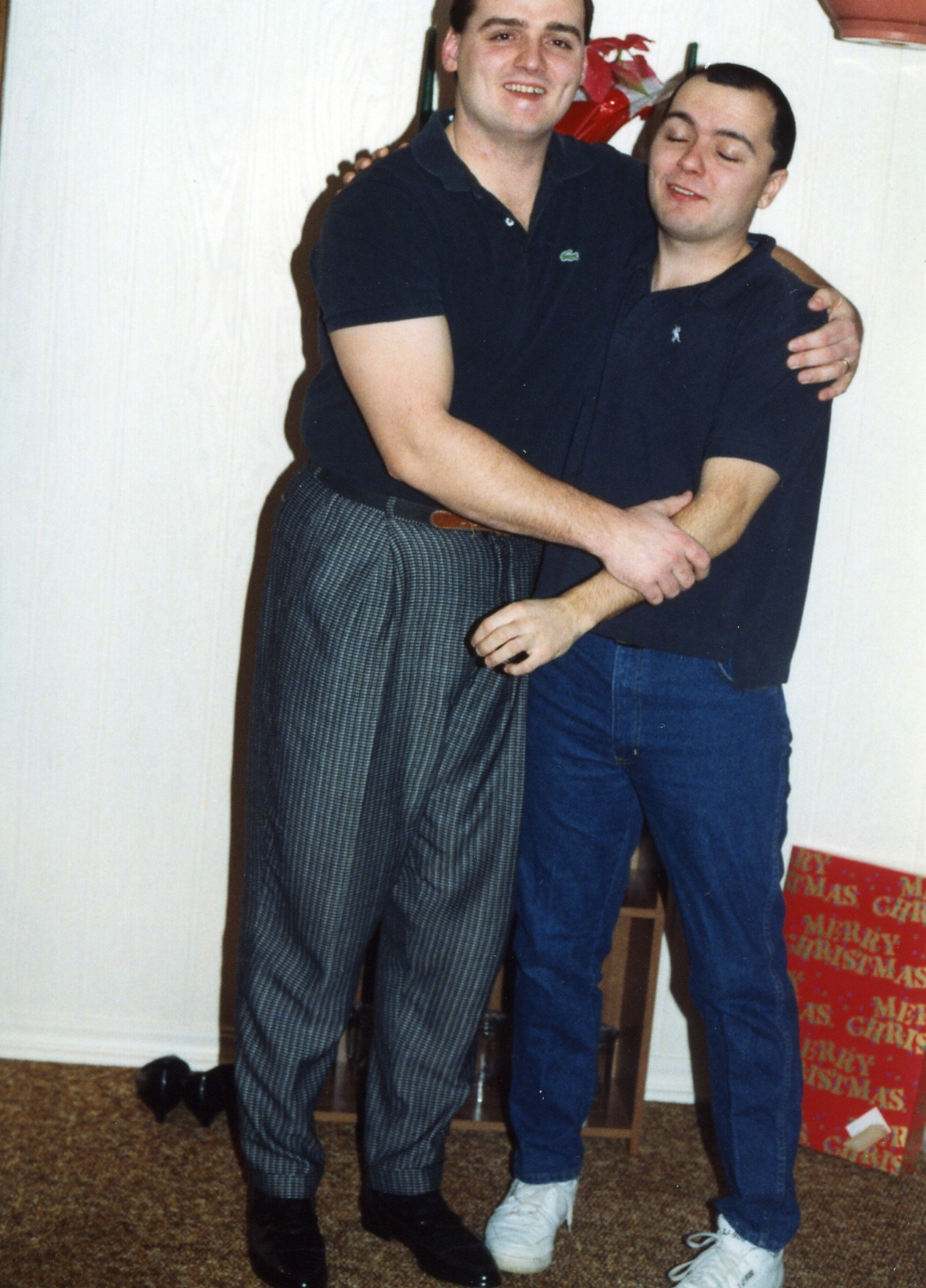
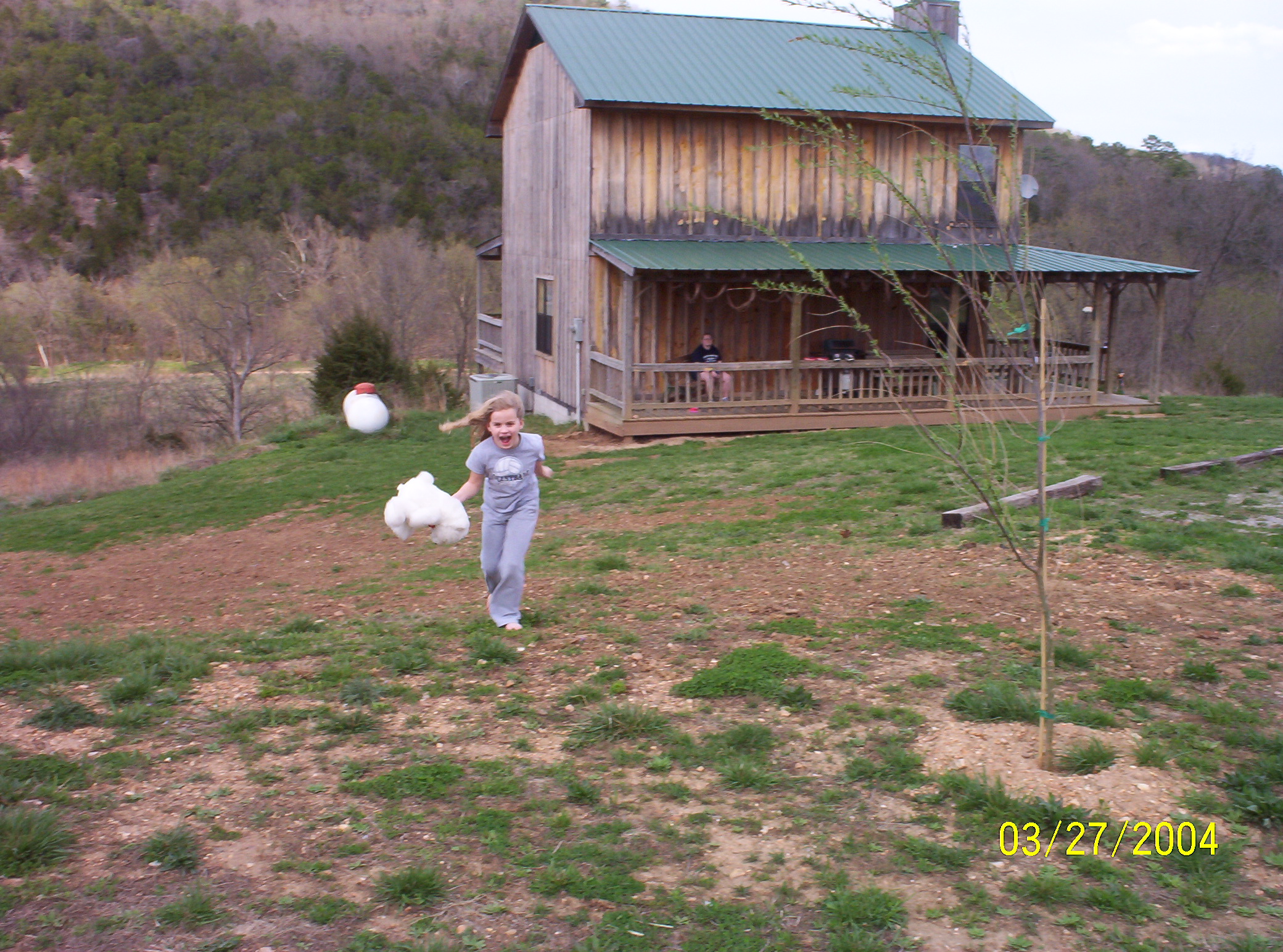
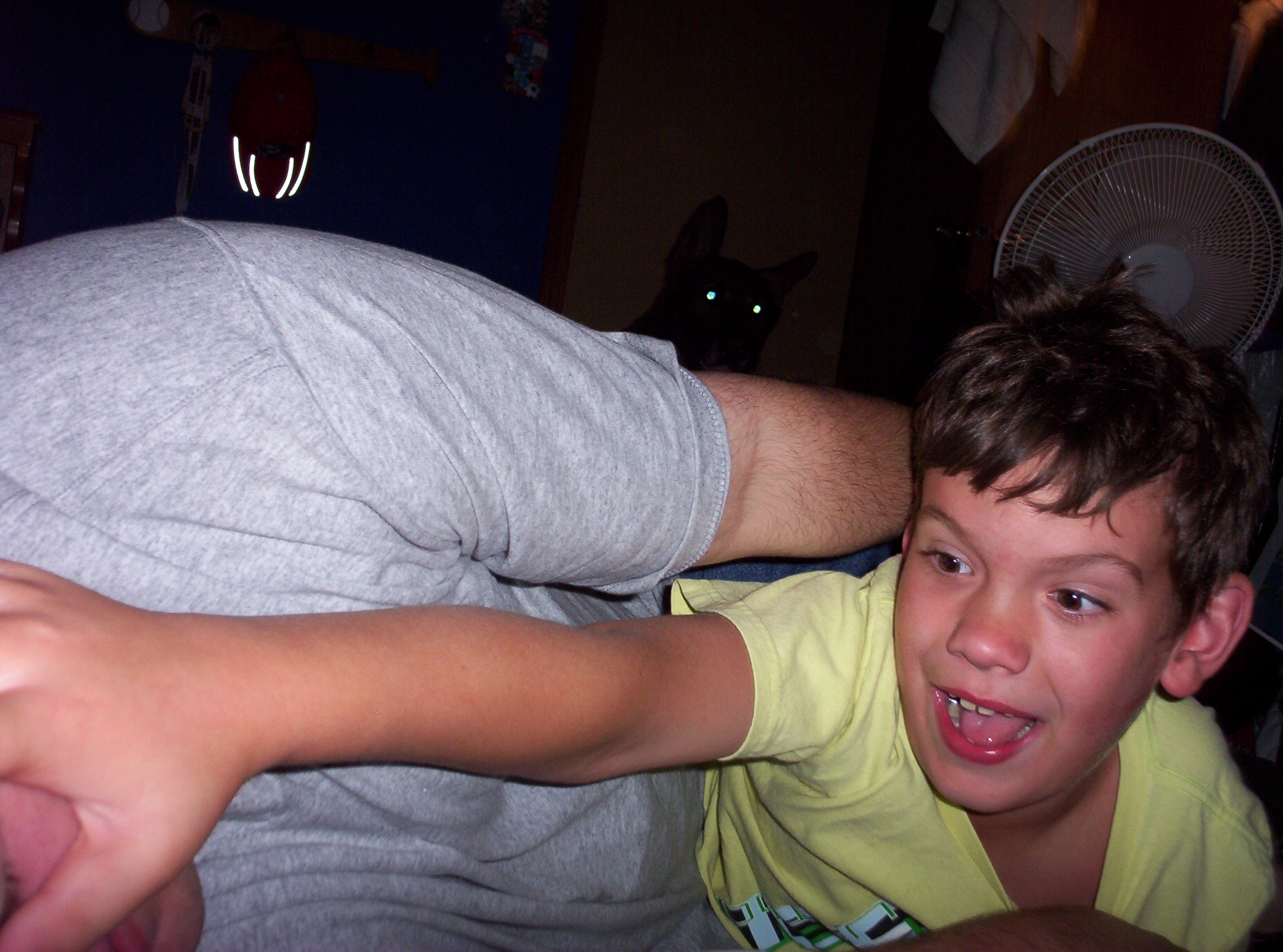
PSS I chose a different picture for this post instead of one of my brother. Both pictures are of joy and of family time. Even though there was a backdrop of unease during both visits, each of the pictures reveals both youth and connection. In one, my niece Brittany charges toward me as I stand by a pond outside a cabin on King’s River. I got deathly ill from food poisoning on that visit, and Mike’s police K-9 got violently snakebit while we were all swimming in the river. Behind Brittany, as she runs, my deceased wife watches happily. The other picture from another visit is of my nephew Quinlan kicking my ass as the three of us wrestle like savages. I’d forgotten that their dog was watching from the doorway. The third picture is of me and my brother. Mike had his wife bought me a plane to ticket to visit them in Illinois. I love the picture despite the goofy look on my face. It documents my brother’s vibrancy in the “before” part of his life. Mike bought me tickets for two such trips, and his doing so proved that he loved me and also missed me. It was before the branching of his life; the picture captures what could have been the case for the rest of his life had he made that choice. My niece is a mother now, and when I think about the fleeting speed of life, I get a glimpse of the idea that nothing stands alone in our lives and that each moment unfolds from the previous one. We don’t see its unfolding or interconnectedness until later.
Communication is key, or so they say. It’s comprehension that’s the objective. People’s minds often don’t speak the same language. If you can see a color that others can’t, it takes incredible simplicity to describe it. The Dunning-Kruger affect adds levels of complexity because the other person is unaware of what they don’t know – and overestimates their grasp of what they think they do. I walk around in the world and observe people not only oversimplify the complex, but double down by erroneously speaking as if they understand. It’s like walking around with glasses that add a yellow tinge to everything. They won’t be open to new information or to the idea that they might be wrong because the first step is to take the glasses off and objectively take a second look. Most of us are stuck because we are damn sure reluctant to realize the limits of our understanding. Our brains are organic filters that have their own self-imposed limits. I still caution people to start with the premise that they might be mistaken. Anyone spending any time around people in the world or on the internet knows the folly of assuming that people will willingly change what they believe to be true. Even against a mountain of evidence or their inability to express what they believe or why they believe it. It’s both fascinating and horrifying at times. It doesn’t matter if it’s politics, religion, humor, or even the best way to load the dishwasher.
Even though the phrase “como agua para chocolate” (like water for chocolate) has a culinary meaning, I adopted and adapted it to my own meaning when I read the book in Spanish for the first time. Regardless of its intended meaning, which I understood, it anchored my frustration with the way we tend to accept poor substitutes for authentic living.
If we’re stressed or feeling floorless or unanchored, we distract ourselves. We fill our minutes with things that don’t satisfy us. It’s a series of late-night snacks with the door fridge held open. We know we’re not satisfying our cravings, yet we continue to eat pieces of cheese or anything visible. Ten pieces of cheese and a cold hot dog won’t satisfy us. But neither will another glass of wine or three seasons of our favorite binge show.
If we’re craving intimacy and connection, we accept poor substitutes that probably cause us more discomfort than simply being alone. We open bottles or cans and down the numbing contents. We light fires in our faces that flood our bodies with false dopamine. We focus our attention on tiny screens and large, hoping that the content gives us relief.
All of these things are distractions – and we know it when we’re doing it. But what’s the viable alternative? The gurus in life tell us to avoid anything that creates distance between us and the people and the world around us. It’s too much, though. And though days fly by, the individual minutes scream at us to be filled.
Chocolate itself was originally considered to be a gift from the gods. Now? We love it but also look at it as a mundane treat. We tend to devalue what’s readily available. Often, I catch myself thinking that we do the same thing with the people, places, and things around us.
It doesn’t matter how full your garage is. The things in it won’t add further happiness to your life, even though you continue to acquire, upgrade, or store the previous things that you obtained to be more satisfied.
When people wax nostalgic, most of the memories are comprised of moments with people from their past: eating, doing things together, and usually without distraction. For a brief moment, the focus is mindless and simply enjoying the experience.
If you’re making an authentic chocolate drink, you must be mindful of the boiling point of the water you’re using.
If you’re looking for peace and satisfaction, you have to enjoy the process and bother of taking the time to enjoy the things you’re doing.
The joy of a brand-new seventy-inch TV will fade. The foods you love will soon enough oversaturate you and fade into the background.
What am I trying to say?
You tell me.
I’m just another among billions, secretly wondering why I can’t avoid the false dopamine and poor substitutes for what matters.
The older man was standing outside the inconvenience store. He animatedly gestured to another man I see frequently. I’ll call the first man Steve and the man I recognized Paul.
I didn’t catch the first part of the conversation. As I exited the store, Steve said, “I just don’t understand how they’re blaming the folks below the border for the drug crisis.”
“Well they’re not controlling the border. Anyone can come in here.” Paul stated the obvious.
Steve nodded. “Okay, okay, okay, okay,” he said in a staccato rapid-fire reply. “Assume every one of these people comes in with a kilo of fentanyl, heroin, or meth.”
Paul looked at Steve like he was crazy. “I don’t think that’s true.”
Steve nodded. “Yeah but for the purpose of my argument let’s just say everyone comes in with a kilo.”
“Okay dude,” Paul replied.
“It’s like popcorn flavored with urine.” Steve smiled, knowing that Paul was going to either think he was crazy or ask a follow-up question.
“No one wants popcorn with pee on it!”
Steve smiled. “Exactly.”
“Exactly what,” Paul asked.
“Imagine that I’ve made the ugliest car in the world and manufacture 2 million of them. They’re going to rust because nobody wants to buy them.”
Paul was still confused. I listened in fascination because I could tell that Steve had told this anecdote before. Probably many times.
“The problem ain’t who is getting in the country. The problem is the people who actively want and use the drugs that you say are coming over the border. I’ve not seen anyone be forced to buy an ugly car or to use hard drugs. They go looking for it.”
Paul realized that Steve had a point.
Steve kept talking. “The problem is never the supply. It’s that people want it. Heck, way over 10,000 people a year die from alcohol accidents driving. And 20 times that die from drinking alcohol every year.”
“What does that have to do with popcorn and urine?” Paul asked the question like he really needed to know the answer.
“Nothing. It’s just a way to phrase the question in such a weird way that it makes you reset your brain a little bit to listen.”
Paul laughed.
Steve added, “And while we look to where the people are pointing the finger at the border, we are kind of forgetting that the drugs that are really hurting people are made by the drug companies. The ones making alcohol and cigarettes are right up there with them.”
“It didn’t used to stop you,” Paul told him.
“Exactly. Drugs are everywhere. We can go next door and get them from several different people. They wouldn’t be selling them if people weren’t lining up to buy them.”
It’s not that Steve said anything particularly novel. It was the urine-flavored popcorn that stuck in my head. I sometimes engage in this type of nonsensical reference when I’m talking to people. In case you didn’t notice. Now I have a ridiculous name for the habit.
“I knew what the canned jackass responses from the usual suspects would be.” This quote embodies 90% of the problem with social media commentary.
Be creative.
Be authentic.
Be truthful.
Most importantly, be funny.
Angry negativity compounded with excessive capitals is the communication equivalent of pooping in your own hat and then complaining that something smells.
If you’re waiting on life to be simpler or less distracted to do something, you’ll turn gray waiting for your fingers to stop tapping. Doubly true Is the folly of waiting for someone else to appropriate time. Time is the currency we use to pay for our decisions.
Someone smart told me that they couldn’t stand the phrase, “Stop and smell the roses.” Take the time to grow them. Or go outside where they grow and meet them on their own terms. We’re all too busy making money in order to buy the flowers, something that’s available in abundance all around us.
You can go to Disneyland and bring back the memories. You’re still going to have to find a way to enjoy washing the dishes that stack up on the counter, in the sink, or in the unloaded dishwasher.
I made it clear that jumping out of an airplane wasn’t to test my fear. I never felt a moment of apprehension because it’s an entirely safe act. Yet these things spray gray across things that should be as colorful as a prism’s rainbow. You don’t get a taste of the diverging universe that’s out there for you without thinking about the million mundane ways that you focus on ridiculous nonsense.
I say these things as a hypocrite in the truest sense of the word. I also say them as a tourist, visiting places but staying at the airport.
There are some intangible pleasures in life that go beyond explanation. For some, it’s watching their children become independent and creative people. Others sit by a campfire and watch the tendrils of smoke ascend to the night sky. A cup of pungent coffee, one that triggers the strength to help you avoid using a skillet on your coworkers.
Whatever your fjrudje might be, find a way to give it priority. Finite time and a limited reservoir of energy compel you to put in the time and effort for the things that matter to you. It’s hard enough living in a modern world and pushing away the distractions.
Fjrudje is a word I created, one based on an imaginary European language. It is supposed to be almost unpronounceable. Much like the alchemy and complexity of the feelings and thoughts you deal with during a normal day. I often refer to the lemon moments, the moments between the Kodak moments that most of us associate with a good life. 98% of your life fills the margins between the bookmarks that are worthy of qualifying as great memories.
I’m 57. One of the things I’m grateful for is that I am almost oblivious to self-image issues. Most of the people my age spend way too much time preoccupied with how they think they look. Some will say that my gender affords me a different perspective. I wish I could infect people with my attitude. You can fight the tide of aging as best you can. But if you are lucky, age will gift you with more years. In exchange, you’ll pay the price by seeing a different person in the mirror. Be who you are if you can. Since there is no such thing as a universal standard of beauty, regardless of how you get there, it still won’t satisfy everyone. Almost all fashion and appearance trends are geared toward the external, which is a strange way to focus and spend time and energy. Most say they do certain things to make themselves feel better about how they look. There’s nothing wrong with this approach unless you also disingenuously fail to acknowledge that the way you get there is by feeling like people think you look good. It’s the same problem with social media; the likes and approval feed our need for validation and interaction. There’s an element of control and curation about how we present ourselves. All of which is bizarre to me. People see us and hear us in real time each day, without filters. We are who we are in full display. Rather, we’re supposed to be. Beauty is where you find it. As is entertainment, joy, laughter, and grief.
The same circumstances and appearances cause some to blossom and others to flail. This is proof enough that the entire game is a personal perspective. You can ride the wave or swallow seawater.
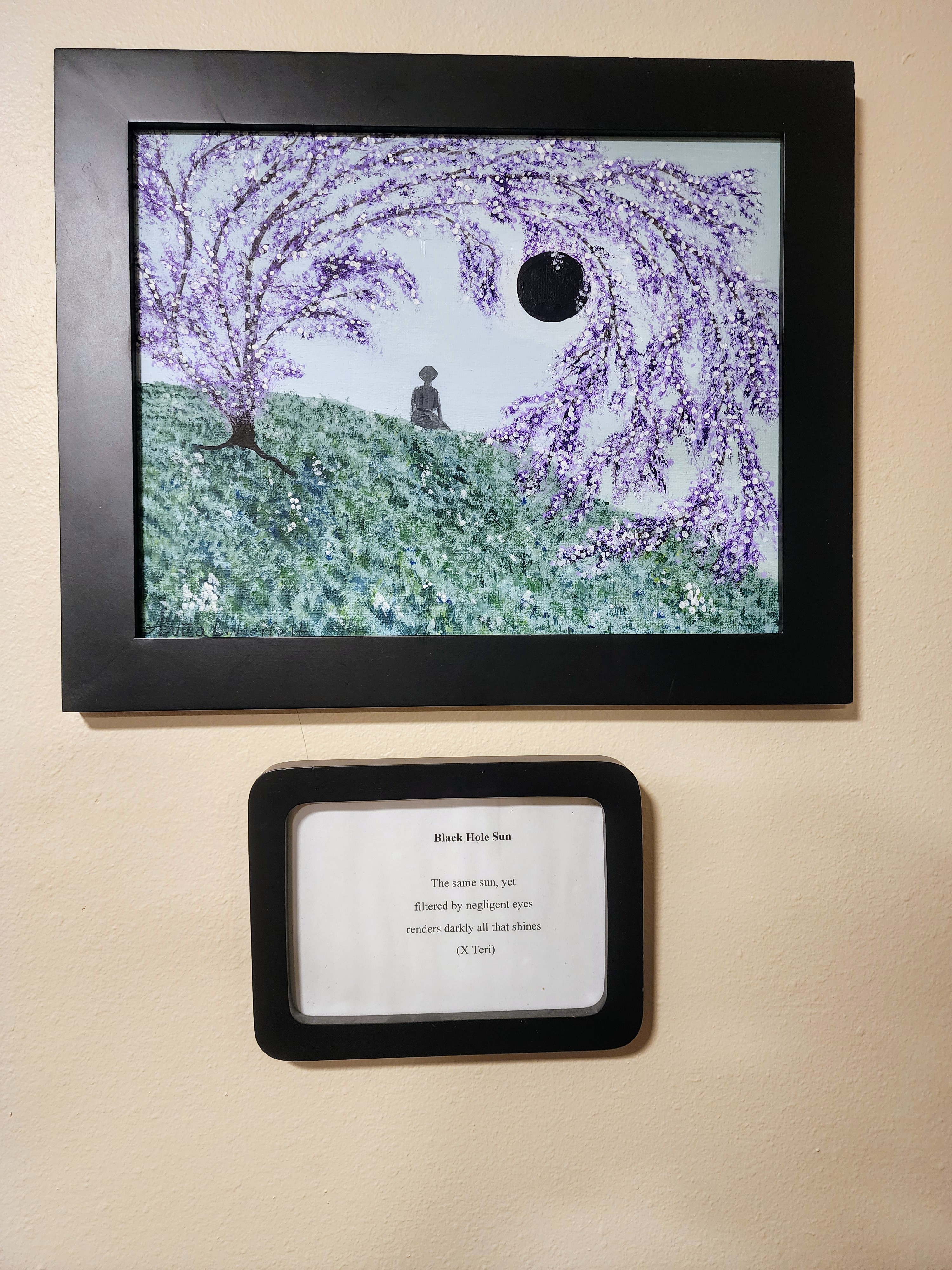
Though I’ve given away many of my sentimental things, I still have one of my friend’s first paintings. She rendered the woman on the beautiful hill and the sun as black.
Below the art is a framed caption I wrote: “Black Hole Sun: The same sun, yet filtered by negligent eyes renders darkly all that shines.”
We are not designed to be immortal or perfectly rendered. We are supposed to strive to do and be our best. We’d be a hell of a lot better off by focusing on our minds and brains, which avoid physical scrutiny and bring satisfaction in ways that function independently of our faltering bodies. What purpose does it serve to be an Adonis or Helena if entropy demands that it cannot be maintained? Everything falters with time.
It’s not depressing. It’s liberating because it requires you to get up, make coffee, and put on your boots. You nod at the wrinkles and instead focus on what makes you satisfied. You can’t get there if you’re fixated on what must fail.