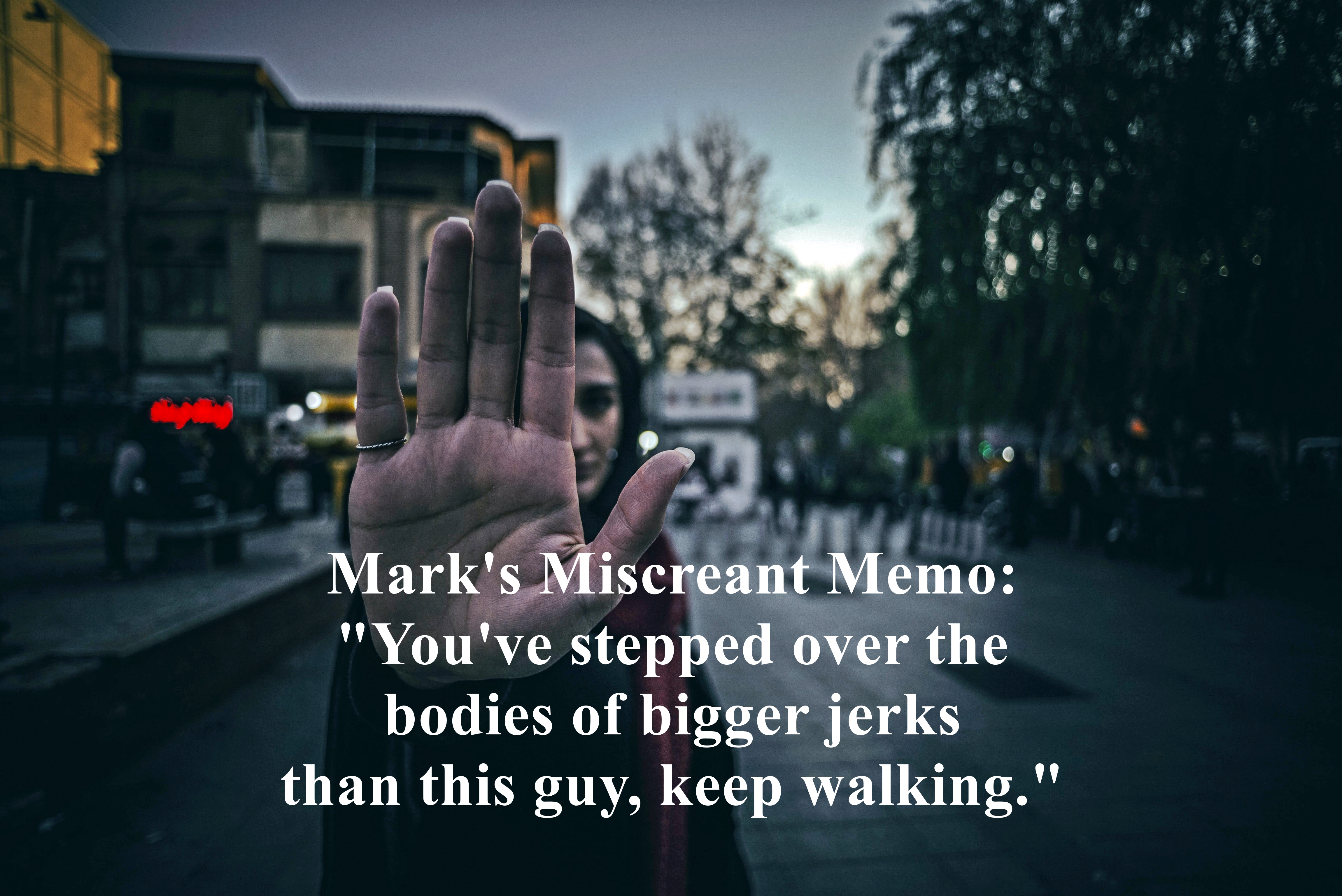
This is a motivational quote from a future State Senator, one designed to remind us that we need to forge ahead even when people aren’t kind or easy to deal with. Step over them and keep going.

This is a motivational quote from a future State Senator, one designed to remind us that we need to forge ahead even when people aren’t kind or easy to deal with. Step over them and keep going.
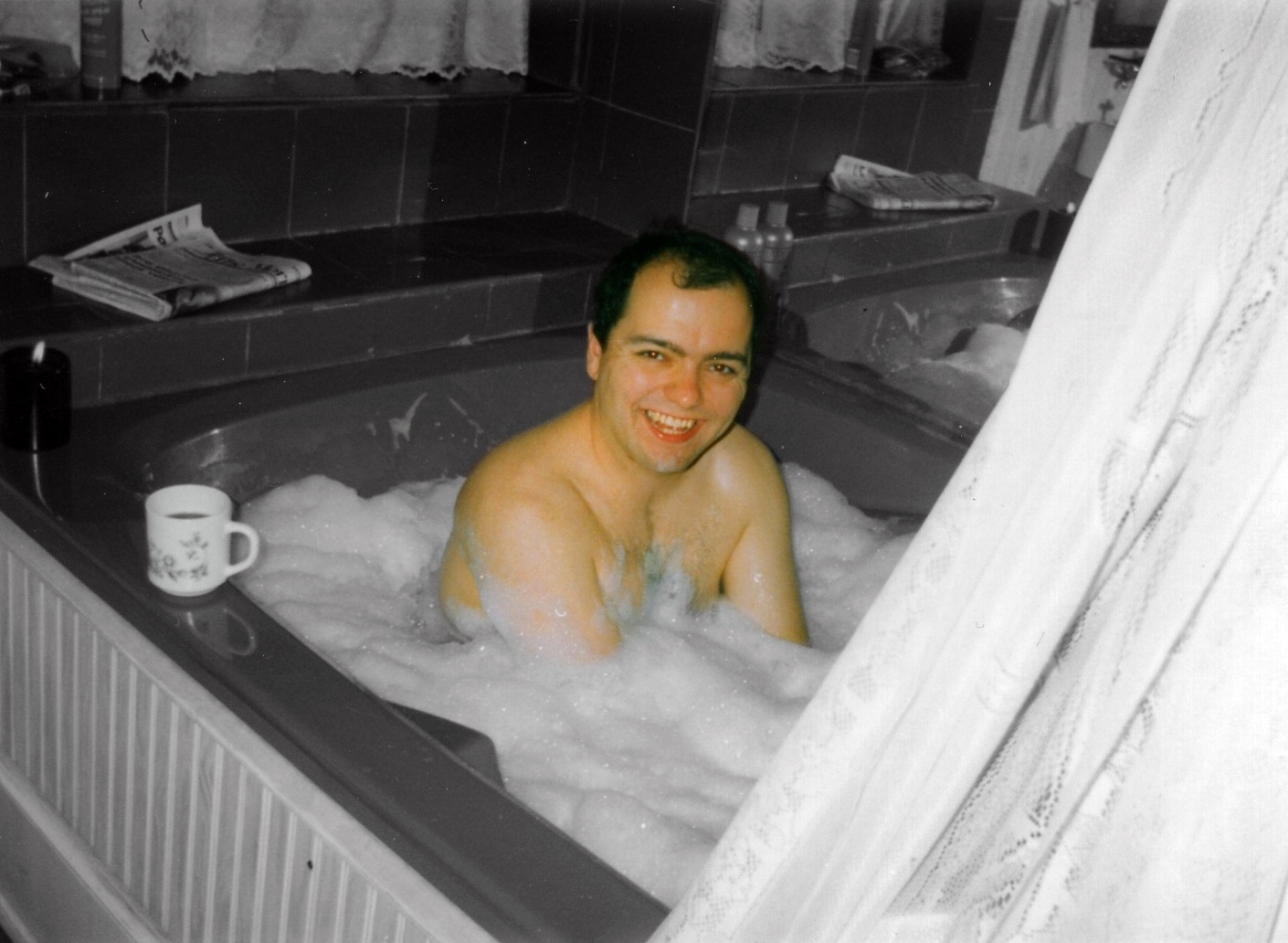
“It is a curious thought, but it is only when you see people looking ridiculous that you realize just how much you love them.” Agatha Christie
I posted this picture because it is one of the best ridiculous pictures of me I have. Coffee, happiness, love, youth: a recipe for the perfect life. I still have a great life and great people in it.
No, I’m not afraid of brain-eating zombies. For some reason, every year they ignore me and increasingly so as I get older. It’s a good lesson that there are benefits to failing to apply the lessons I’ve learned. I get to use the joke every year that if brain-eating zombies do invade, I’m going to run into a conference room full of middle managers. Zombies instinctively know that there aren’t any functioning brains in such a room.
“If you can’t beat them, arrange to have them beaten.” —George Carlin
“During the day, I don’t believe in ghosts. At night, I’m a little more open-minded.” – Anonymous. The same is true for the tricks my mind plays on me when I get anxious. As the night falls and the hour grows quiet, my mind stretches and starts its gymnastics. Being creative sometimes has its drawbacks, as it allows me to take a minor concern and let it blow like those billowing air devices at car washes. Last night, I took melatonin which previously had little effect on me. It brought strange dreams, one of which brought an infinite loop of the “Kiss From a Rose – Jesus Loves Marijuana” from the tv show “Community.” I woke up still hearing the song in my head. It’s a fitting song for the last day of October.
After waiting a bit too long, I went to the doctor Friday (finally!) and started taking 1/2 doses of Lexapro. Many months ago, the clinic told me to come in if I really needed to; when I did, my doctor was at another clinic and the other doctors deferred due to it being anxiety-related rather than a medical need. That’s when I immediately reached out for counseling. It bothered me a great deal that they’d turned me away when I was honest and said I needed to be seen. So few people just come right out and say so. I’ve watched so many people fail to be honest about what’s going on in their heads and lives; most choose alternate forms of self-medication.
I don’t want to sound ungrateful. I have insurance. Surgeons saved my life six weeks ago. I’ve lasted 16+ years in my job and I appreciate it in a way that I didn’t up until a year ago. This last year has been five years long. I’ve had so many great experiences despite the bad ones. There are some exceptional people in my life, some of whom were hiding in plain sight. They didn’t change and suddenly become open; I did.
My doctor didn’t really hesitate to prescribe me something less powerful, especially due to the fact that I’m seeing a counselor and seem to be very aware of how my body and mind react. He might not have thought so before my crazy weight loss journey and exuberant confidence about other areas of my life. Apart from all the other issues I’ve had with the clinic, the doctor told me again he had never seen a person just SAY they were going to be thin and just do it without any structured program or surgery. He told me to remember that it is an accomplishment worthy of maintenance. And that he fully expected my anxiety to be temporary. His certainty was a welcome addition to my medical visit. I joked that since medical bills were a part of my cyclical worry, that I appreciated his pro bono treatment. He laughed. For a brief second, I thought of Leslie Nielsen in “Airplane!” when he said, “You can tell me, I’m a doctor.”
You know that the doctor thinks you’re going to live a while longer when they agree to bill you. That’s optimism in action.
Due to my cousin’s advice, I refrained from hiding behind the door to scare the doctor this time, even though it’s Halloween. I wanted to take my stylish brown sheet and ‘ghost’ him, so to speak. Instead of leaning away from the truth, I told the doctor that I thought he might not appreciate the level of my anxiety if he based it on how much I LOVE a good laugh and how I interact with his staff. He told me that he learned a long time ago that people’s internal issues rarely intersect evenly with their personalities. I told him my feedback loop theory and he nodded. To make him laugh, I told him Ronnie Shake’s hilarious quote: “My doctor gave me two weeks to live. I hope they’re in August.” To his credit, the doctor did burst out laughing.
Walgreens committed another in a long line of unexpected and hard to believe messes. I switched to CVS – late on Friday afternoon, no less. There are several stories I’m omitting here for brevity. I’m just shaking my head about it.
Note: it’s not recommended to grind up and snort this sort of medication. Not because it makes it less effective, but it leaves people with the impression that coke is making a comeback. The protein powder I sometimes eat raw directly from the canister probably already sends the wrong message when it sticks in my mustache.
I’ll let y’all know how it’s affected me when I figure it out and it’s built up in my system. If you see me pretending to ice skate while wearing banana slippers, just wave and ask me to put some pants on.
I look forward to my old optimism kicking back into full gear. That I need a serotonin boost doesn’t embarrass me in the slightest. That brain-eating zombies don’t think I’m worth the effort bothers me a bit.
“The most powerful weapon on earth is the human soul on fire.” Ferdinand Foch
If this post rambled a bit, I’m okay with that.
Love, X
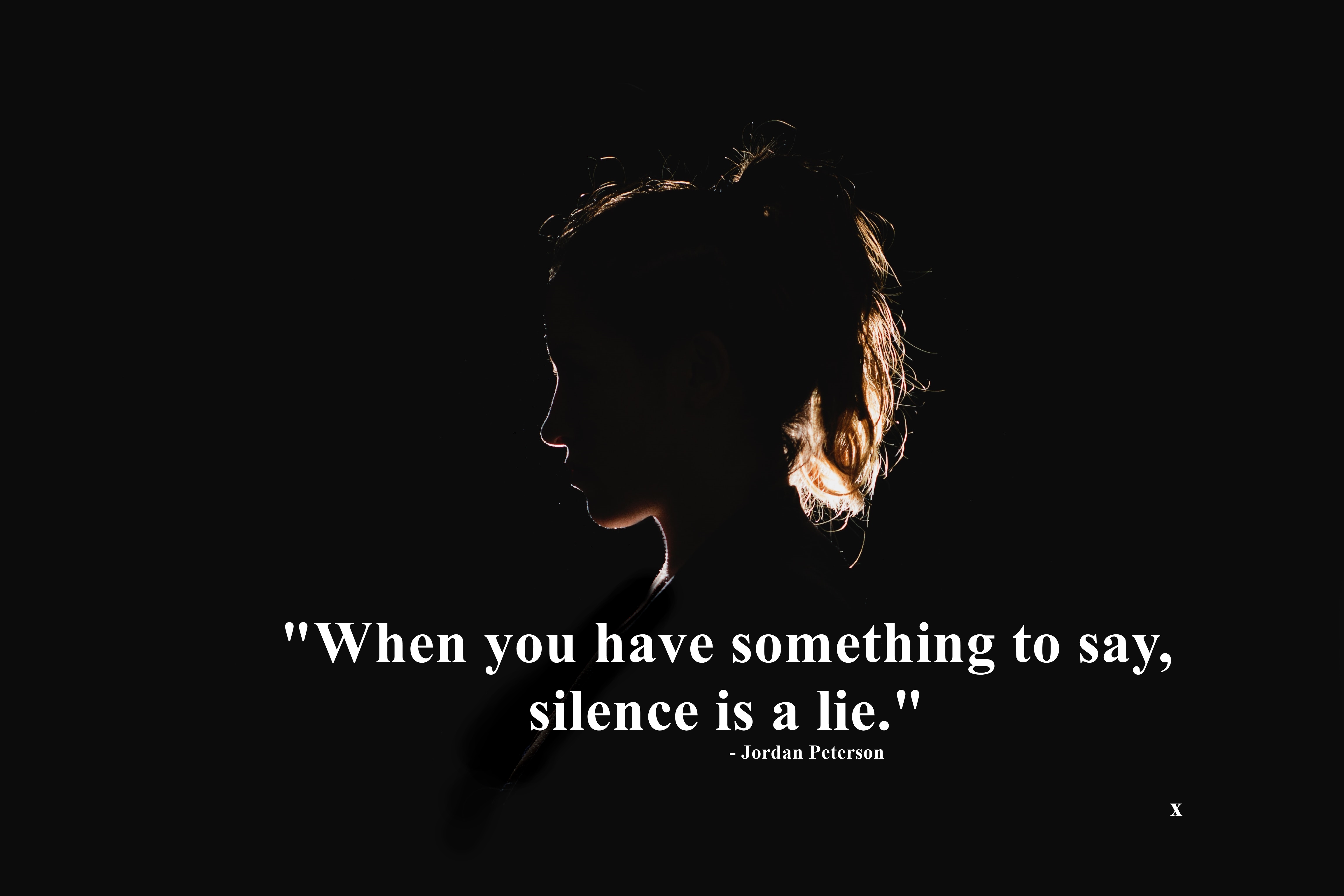
Someone sent this quote to me today, to remind me that one of the best qualities in a person is their willingness to speak their truth and have faith that it will land authentically. Not because it is a universal truth, but because it is your truth. Concealing your innermost self is the surest road to unhappiness. All of us have experienced the growing burden of needing to say what’s on our minds but feel as if we can’t or shouldn’t. If you’re surrounded by loving people, it is very hard to say the wrong thing. Pay attention to your urge to silence what is growing in your mind or things you need to say.
The person read my post about anxiety on my blog and wrote me to say that it wasn’t until that moment that they realized they were fooling themselves into believing they were self-sufficient.
Love, X
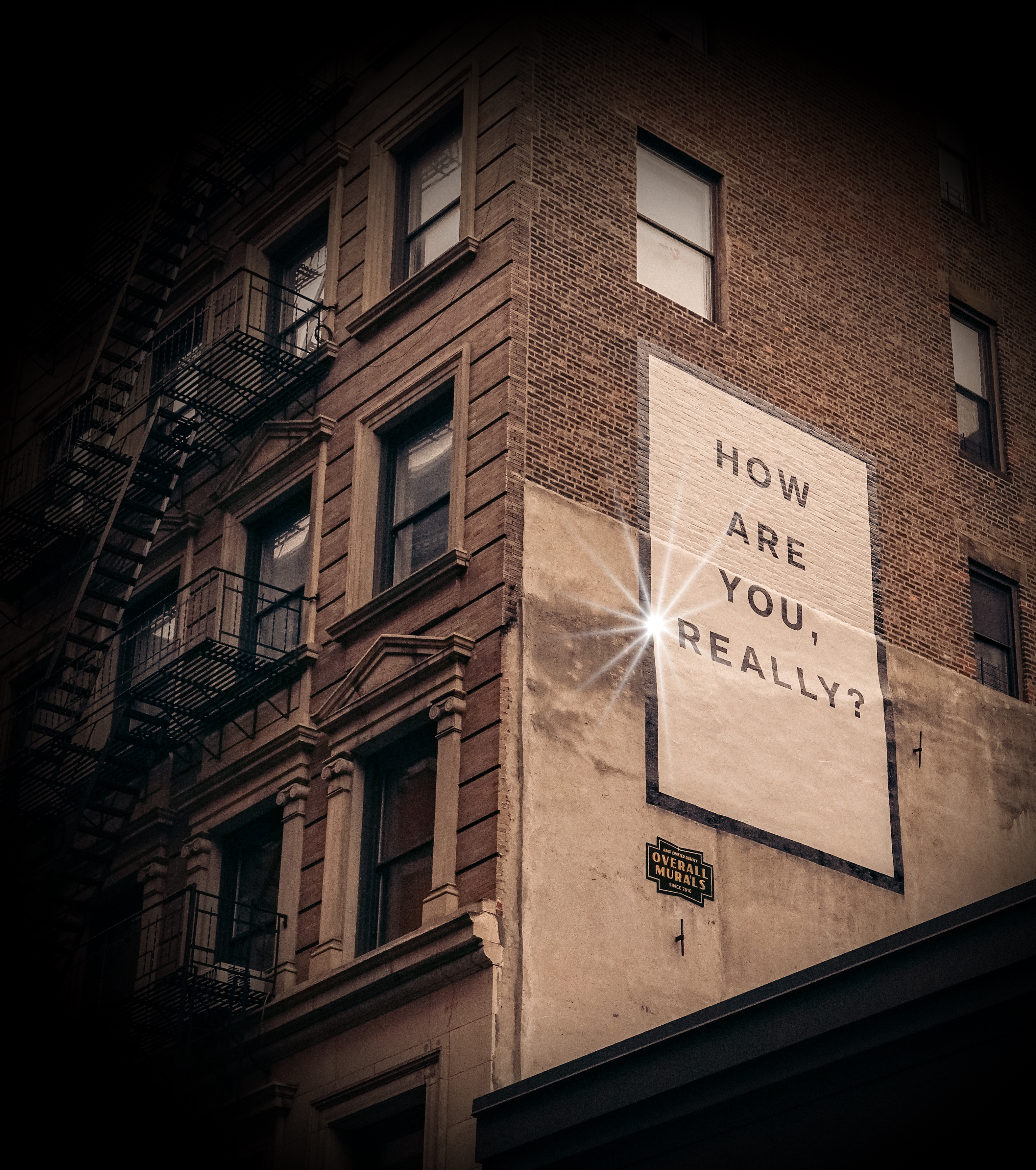
It’s strange that you can go to the ER with just about anything and be seen. But if you try to go to the doctor for anxiety, you almost have to walk in naked. (Telling them you expected to get undressed once inside doesn’t bring laughter though, for some reason.) Assuming they don’t use Covid as a buffer to keep people out. So many people suffer with anxiety or depression and never step forward to address it, much less be honest with those around them. They carry secret feedback loops in their head forever, the burden of it growing. Some succumb to alcohol, others to anything that might give them temporary relief. For some, those temporary measures become permanent. Or lead them to make decisions that aren’t in their self-interest. Anyone who steps forward in the smallest way is trying to communicate that they aren’t managing their heads well. It’s easy to dismiss it or look away from people around you showing signs of being stuck. Some of it is because we don’t want to embarrass or meddle in other people’s lives. That’s what we’re here for, though. Without people around us, often even as they drive us a little batsh!t crazy, we let the shadows grow.
For people who say, “Anxiety isn’t real. It’s just worry repackaged and something in hour head.” To which I reply, “Love is unreal in the same sense, but it can be the most uplifting and rewarding thing you can experience. How can you believe in love but not anxiety?” Of course, people look at me like I’m crazy. And not just because I’m prepared to walk into my doctor’s clinic naked.
Over the weekend, someone I’d never expect to suffer from worsening anxiety posted on Facebook about his struggle. He’s the quintessential go-getter and intelligent. I recommended he see a doctor and start on low-dosage medication and treat the problem as if it is very serious. Because it is. Intelligent people are the worst about trying to tread water when there is help available. “It’s all just in my head” is a literal diagnosis rather than a way to dismiss anxiety or its more serious sibling, depression.
Recently, someone I’m close to had a shocking mental health surprise in their family. It broke my heart. Not just because they are good people but because I’m certain it was a hammer strike of surprise in their lives and hearts. Finding out put an icicle in my own head. It made my anxiety seem ridiculous but simultaneously warned me to be more careful. I don’t conceal my anxiety issues because I know that secrecy is poisonous. I wish that people were more open to their struggles and that our medical system would help anyone needing counseling or medication. From my observation, it’s more important now than ever.
We like to observe that people are becoming more callous. They’re not. Our world has shifted into a different corner, one in which people are more isolated or disconnected. Disconnectedness invariably leads to greater problems. We’re social animals and as more people retreat away from the world, the greater the likelihood they’re experiencing mental trauma. Not everyone has obvious clues such as excessive drinking. Some look completely normal and in control of themselves. Until they’re not. A great number of our friends, family, and acquaintances have well-guarded addictions and afflictions.
Love, X
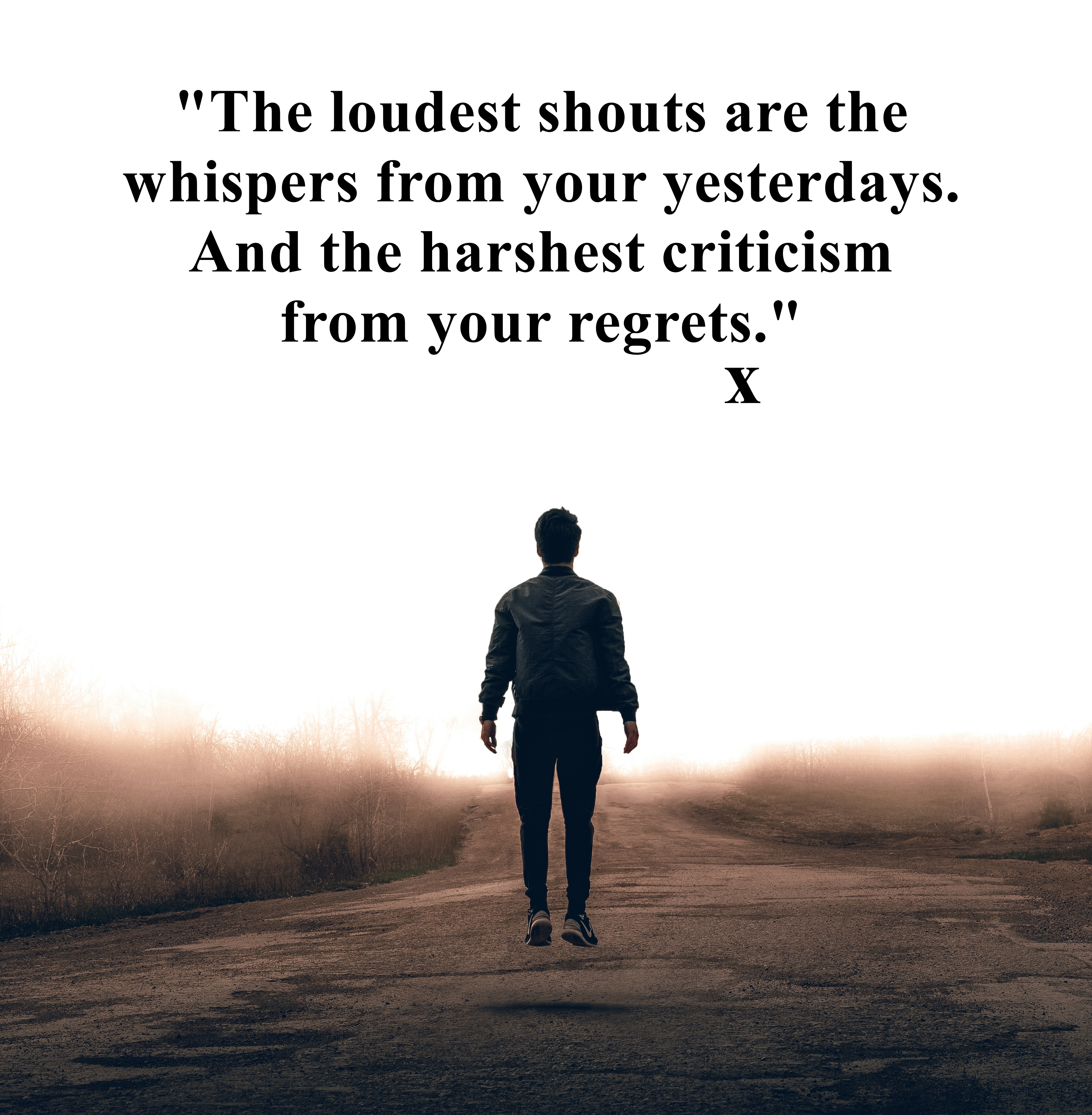
All y’all normal people can tell me this isn’t true. I know it’s my own quote but it sings to me as a reminder.
Love, X.

Plot twist/spoiler: he hit me a lot harder than he thought he was going to. That I was paying him made it hurt a little worse.
This is a personal post. It might be upsetting to some people. Fair warning. As always, I’m setting aside perfectionism or worrying about getting the content or tone exactly as I want it. I can’t control how what I write might be interpreted.
Backing up a little in this story. I have a secret. I hate secrets. I wasn’t sure I’d go through with it.
Several weeks ago, I had a Bobby Dean moment. It was one in which I realized that the only way to diffuse the potential for violence was to step in and confront the person as if I were willing to be hurt or hurt him. I’m glad I did it. As much fear as I felt, I stepped toward him to signal I was willing to find out how far I’d go. Despite his size, he wasn’t certain. I’d already told him that people misjudge me. I don’t want to say that I’m proud that the latch for violence inside of me is dormant but still present. My confession is that a little sliver of me WANTED him to make the mistake of forcing me into action.
That’s not the secret, though.
My Dad violently taught me to fight by hitting me unexpectedly. He also hated that I was non-violent and passive. But one of the lessons he taught me is that it is always a mistake to delay the pain. You have to step in and strike as hard and dirty as you can. The first punch often determines the entire outcome of the altercation. Most people spend a bit of time talking or trying to lull the person they’re threatening. If you know you’re going to be hurt, it is always better to hit them with everything you have, quickly. (If you can’t walk/run away.) Though my Mom had great dental and health insurance through Southwestern Bell, I only went to the doctor if it were a case of imminent death or blood spurting. When I was 18, I had a massive cavity that almost crippled me with pain. When the dentist examined me, he said, “How’d you crack your jaw? It’s almost aligned perfectly again.” Although I had many mishaps in my youth, I knew the break probably happened when my family lived on Piazza Road in Tontitown. Dad came home drunk to our luxurious trailer. I’d lost a lot of weight at the end of my 9th-grade year running the roads there. Dad hated that I’d gotten into shape running several miles a day, lifting my brother’s weights in the downstairs storage space, as well as doing pull-ups until my arms were dead weights. I don’t recall his exact slurred words, but he said something like “I’ll teach you to be a man!” Despite being on my guard, or so I thought, he hit me with a savage right slight uppercut. My head snapped back and I fell, hitting my head on the stone fireplace at the end of the trailer. “What did I teach you? Always expect to get hit.” For weeks, I knew something was wrong with my neck and jaw. I kept running, though. And even though it hurt to play my French horn, I still made the All-State band that year. Only the band director Ms. Ellison knew at the time that something was wrong. I’m sure she knew the cause, too, though she never said anything out loud. In time, the pain disappeared. Until the dentist mentioned it, I hadn’t thought it was anything serious. I was lucky. Not only that time, but dozens of others.
My brother Mike, who was a big, well-trained ex-military meathead and later a policeman and detective, often got exasperated at me, especially when we were younger. I still have a tooth imprint on my left index finger, though. I hit a bully so hard that I thought I killed him. His tooth hit bone when I punched him. He underestimate the anger I had toward him. That anger was honed by my brother Mike screaming at me that if I didn’t confront the bully, HE was going to punch me silly. Growing up, Mike and I had infrequent conversations about why it was that a higher power didn’t protect us. We both knew that the world didn’t work that way, but we still fantasized about someone stepping in and either beating our Dad senseless – or killing him. There is no question that Dad would have deserved a brutal death a few times. He had violent demons, ones which combined with alcohol and anger, made him capable of incredible acts of inhumanity. How he survived as long as he did still astonishes me. I do know that before he died, he realized that he had done considerable evil to us; I’ll never know how much road he would have needed to directly admit it and change his life once and for all. My optimism tells me that he would have made amends. He died at 49.
Because of that recent near-miss with violence, I decided that as contradictory as it might seem, I had to learn to hit more effectively – and to be able to turn off the switch that controls aggression. Living where I do, I don’t worry per se about getting robbed or hit. Let’s be honest, though. It’s much more likely. It turns out that the biggest threat I’ve faced so far has been extremely close to me. That’s usually the case.
The secret?
I have paid someone for 1/2 sessions to teach me the mechanics of responding harshly to being threatened.
I messaged two people, asking them if they’d teach me the harsher side of self-defense, one that would enable me to channel a version of my Dad’s loathsome philosophy about fighting. Only one person replied – and he had misgivings about distilling his method to what I wanted to learn: not to diffuse, but to hurt. He relented when I explained that I am non-violent and had no intention of being the aggressor in any situation. I went on to tell him that circumstances in my surroundings necessitated that I be prepared if I couldn’t escape the threat of harm. He understood that he couldn’t hit me in the stomach, for obvious reasons, or throw me unexpectedly.
The first time I met him, he taught me the basics. Don’t go for the chest, as it never works. Don’t try to sweep the knees as a beginner. He liked that I understood that the first few seconds are critical in avoiding getting really hurt – and to try to get away if at all possible, but if not, hit hard to dissuade the attacker from choosing you as a target. It’s not about winning, because it’s not a competition. It’s about getting away, diffusing, and if that’s not possible, hurt the attacker as brutally as you can, immediately. (And get away as soon as possible.) Any altercation that drags on is almost always going to end badly for you. Run – or end it quickly.
A couple of days ago, he walked me through strategies to hit someone in the nose with the palm or side of my hand, strike the throat, hit in the stomach, or in the groin, in that order. He further instructed me, if you know you’re going to have to hit, hit immediately, and don’t pull back one iota of everything you’ve got. Break your hand if you need to: just hit violently. If you’re defending yourself, you need to ensure your safety without needlessly hurting the aggressor. As we repeated the same moves, he moved faster. Because he told me to keep moving, I went to the right just as he tried to hit me in the neck. He didn’t hit me with full force, but the side of my face felt like I’d been whacked with a stick. “Ha!” I said as I stepped back. “Picking on a post-surgery client like that!”
He laughed but also said, “Your attacker won’t care that you’ve been in the hospital, X. If they’re out to hurt you, it might entice them. You dropped a lot of weight. You’re in great shape for 54 but not having the weight means you have to be much faster when the time comes. If they get you on the ground, your options go to near-zero very fast.”
I thought about that for a few seconds, especially about the would-be aggressor not caring about my physical condition.
He added, “Your dad wasn’t wrong. If you’re surprised by an attack, use anything nearby as a weapon. Anything. Just use it with full force when you pick it up. Don’t hesitate. The other guy is the bad guy and you have every right to protect your safety and life.”
He spent a few minutes telling me that because my hands aren’t large, it would help me to improve my grip strength and to practice punching something relatively firm. I demonstrated that I’m quick – and doubly so if I need to run, no matter ridiculous I might look doing so.
I’m not violent. Fighting is ridiculous. There’s always someone stronger, faster, and probably armed. No one wins.
But if I get into another Bobby Dean situation, please remember that I want to be cremated. After I’m dead, for those who would do otherwise.
It’s a strange juxtaposition to go to a counseling session and then thirty minutes later to be discussing the physiology of hurting someone in self-defense.
I didn’t expect to ever go to counseling. I certainly didn’t expect to be living where I’d more likely need to channel my aggression effectively. Here I am, though.
The person I had to confront several weeks ago is one of those people who seem like they aren’t violent. I know better. I shut him down by convincing him that he needed to be wary of me. I trust my instincts: it’s obvious he’s hurt a lot of people in his life and doing so didn’t bother him like it would a good human being. There are a lot of “hims” in the world. He said a lot of vile things, ones which telegraphed that he has hurt several people, including women.
Learning these basics won’t make me over-confident. I’m a terrible fighter. The truth, though? I had a premonition that I will need the skill and ability to channel Bobby Dean at some point. And if I do, I hope the aggressor realizes that I, like so many other people, have a history of seeing (and feeling) how failing to defend oneself is a greater danger than being able to let the fire flow when it is necessary.
My brother Mike died a year and seventeen days ago. He would be laughing at me. “You JUST realized this?” he would say. “What have I been telling you your entire life, dipsh*t?”
I will probably need a neck tattoo to add a little menace to my appearance. The brooches I wear probably send the wrong message.
Love, X
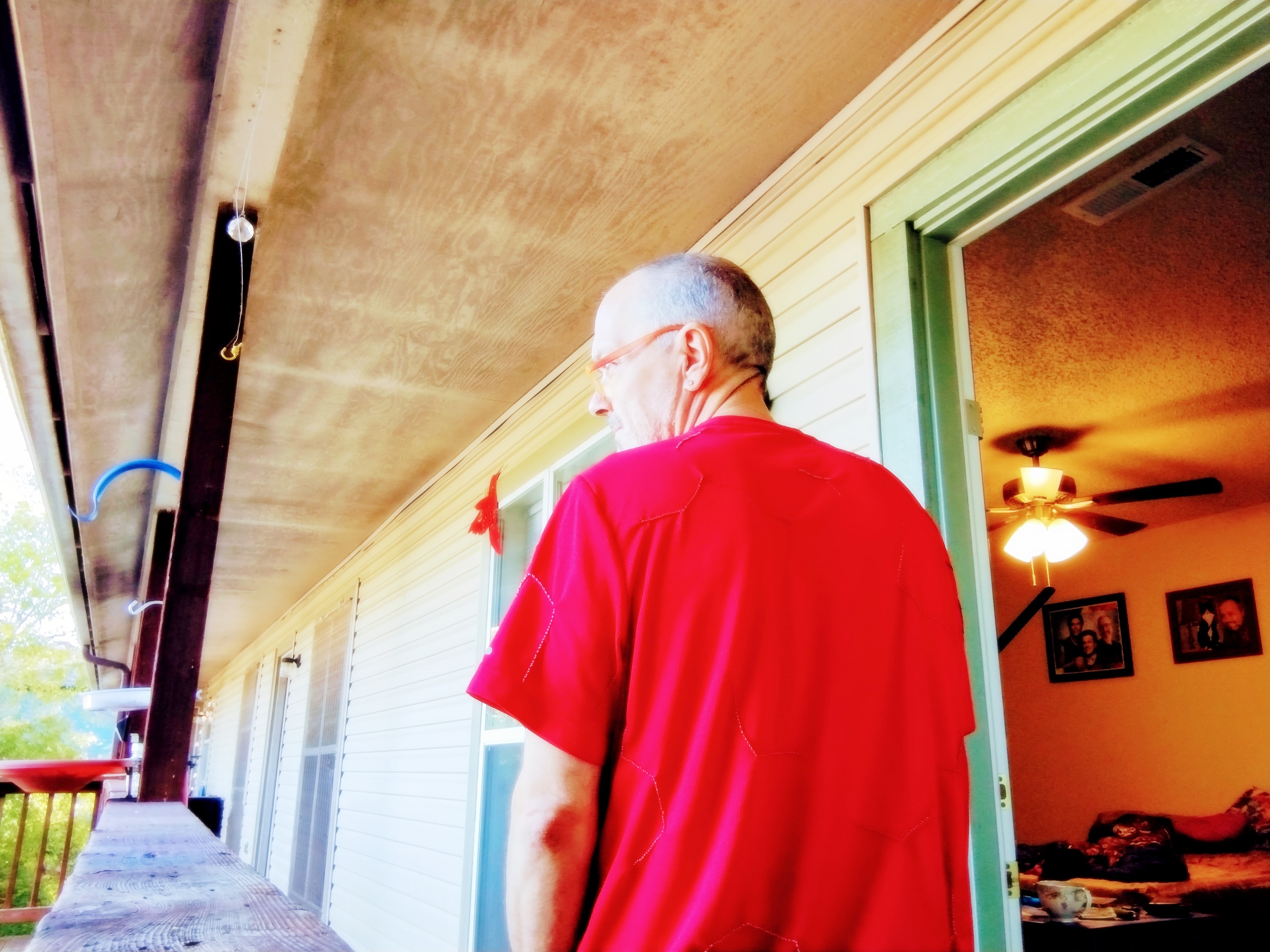
It wasn’t until I sat down with a counselor to recap the last few months of my life that I realized how important the ritual of pushups had become. I started on June 1st, after listening to my cousin Lynette, aka Blue Dress Project. Part of my wish was to start doing only what could be sustainable. Pushups are an effective total-body workout – and they can be done anywhere, require no equipment, and are a tremendous incremental workout. Most of my shoulder pain disappeared as my ability to do a lot of pushups crescendoed. Lynette likes to tease me about my reluctance to add more physical activity to my life. I was cautious about further damage; all of that concern turned out to be pointless, and especially because it wasn’t my shoulder that turned traitorous to me. Isn’t it amusing that we worry about things, only to discover that almost none of what we expect comes to fruition – while the stuff we’d never expect blossoms and distracts us?
My job is much more physical than most people realize. When I was fat, it was hard for people to see me and imagine that I walked miles every day and moved tons of medical supplies. Now that I’m thin, people seem to have no doubts. It’s a lesson in self-image and the oddness of how your body sends messages to other people, even though we don’t like to think so. I don’t take it personally. I wish that we had a way to pull people aside and say, “I’m concerned. You’re overweight, and your health is probably suffering.” Yesterday, I went to work for a bit to celebrate a co-worker’s birthday and retirement. I’ve known her for 16+ years, and her absence will be a strange void, especially at 4 a.m. While I was at work for the short visit, a few people who’d not seen me in weeks were shocked at my transformation. They’d forgotten that I’d lost almost 90+ lbs before my emergency surgery. In the interim, my body shape has changed and become what it’s supposed to be, except, of course, for the permanent scar and reminder of life’s capriciousness. Though people have had months to watch my body melt away, they still have an old image of me in their heads. They laugh when I tell them, “Never again.” The other component of my transformation, the mental one, is invisible to me. That’ll take longer to percolate and replace the old me.
Since my surgery four-plus weeks ago, I haven’t been able to do many traditional pushups. In the last couple of days, I’ve done a few, a very few, carefully. I’ve also done more by leaning on the kitchen counter or deck landing to minimize any potential stress to my abdomen. I’ve given the dumbbells a lot of work, but it’s not quite the same, especially since I have to be extremely careful. A return to work is approaching like a snowball. After a few weeks with post-surgery dumbbells, I’ve discovered that I enjoy the ritual of repetitions and increasing fatigue.
My counselor knew I’d started doing pushups because my therapy slightly overlapped the date I started back in June. She looked at me in surprise when I told her I had made it to the point I could do 1500-plus in a day. I also told her that the irony was that I decided to limit myself to 500 a day three days before my emergency surgery. “Just 500?” she said and laughed.
I find myself shaking my head at the irony of spending a year eating healthily and getting in the best shape of my adult life, only to find myself hospitalized for the first time as an adult.
Until I had to stop doing them after surgery, I hadn’t connected the dots explicitly about how pushups are exercise and meditative. They incorporate counting, breathing, and a bit of simultaneous mindlessness. For anyone reading my posts about them, I admitted countless times that I often used them to counteract anxiety. Over the last five weeks, I realized that the habit and instinctive desire to do them was always in the back of my mind. I realized that I had been so successful early on because pushups were my single-best anxiety tool.
One of my most effective tools to help cope with anxiety was taken from me. I have a lot to be thankful for, regardless. Like so many other non-physical ailments, stress can quickly derail anyone, partly because it’s invisible to other people until it manifests itself with undesirable behavior.
It’s evident to me that pushups became an addiction. People scoff at the idea that something perceived as so healthy can be an addiction. It’s one of the reasons I’d already decided to reduce my maximum to 500 a day. It’s still a lot – but not crazy. Going back to work, there’s no doubt I will get more exercise than I probably want for a while.
I’m going back to work on Monday 4 weeks and 6 days after my emergency surgery.
People ask me about my most significant setback during my recovery.
It wasn’t the pain, the staples, regrets, or the disconnectedness I often experience.
It was the unexpected vomiting spell I had last Saturday. Don’t worry; it wasn’t physical. Because I’d hit my physical limit with exercise for the day, I didn’t have the easy tools to trick my mind into quietness. I WANTED to do several hundred pushups, don’t get me wrong. The stress and anxiety hit me like a brick. It was over relatively quickly. I knew immediately I’d oddly strained the muscles on the left side of my stomach, away from the vertical scar running down the valley of my middle. Though the external stressors hadn’t diminished, my focus shifted immediately to damage mode – and my mind sidestepped ongoing anxiety. After abdominal surgery, the surgeons give you constructive advice such as, “Don’t sneeze too much. Or cough. And especially don’t vomit. Or force yourself as you go to the bathroom. Don’t worry about a ‘little’ blood.” Thanks, Doc – now that’s all I can think about.
It was a moment of clarity.
The foolishness of letting external stress affect me like that washed over me. After losing all the weight and getting into surprising shape, I’d already survived an unexpected physical setback with the surgery. Even doing things well, the universe needed a laugh at my expense.
And so it was after I vomited. It reinforced my decision to see a counselor again. People are stressed more than ever, or so it seems. I don’t want to point fingers at the circumstances that led me to be quickly sick. The truth is that it is on me to continue to learn new habits and not internalize things, no matter how crazy, dramatic, or wild they may be. The world is inevitably going to shock me, and people will behave in self-destructive or ridiculous ways. (This explains why some people like rodeos or fashion shows.)
I have to learn to stand quietly, even if I’m in the eye of the storm.
I have to learn to stand quietly, even as people act disturbingly.
There will always be storms and also people to cause anguish.
To expect otherwise is both a form of attempted control and surrender of my peace. I’d forgotten to take control of the thoughts running through my head, justifying it because my concern was for someone else who couldn’t pull up out of their flight path.
I don’t want to disengage from people. Most people are pursuing their interests without inflicting damage. Now, more than ever, I need other people to share moments.
During this most prolonged dormant period of my adult life, I tried to take advantage of the downtime and channel my loneliness. People roll their eyes when I tell them I don’t understand boredom. There is SO much to do, books to read (all non-fiction in this irregular period), TED talks to watch and listen to, colorful art and projects to finish, and a universe idly waiting for me to engage. Not to mention my favorite, writing. I accidentally wrote a 100+ page story in the last few weeks, one so intensely personal that I don’t know if it will ever see the light of day. I became friends with the lengthy spiderweb of streets around my apartment, including many dogs who need attention.
I laugh when I think of all the surprises I’ve done within a few miles of my apartment. Some were noticed, but not all. Some undoubtedly caused happiness or laughter. Others? Probably confusion. I tried to do random acts of kindness (and many not so random). I can see a couple from the landing outside my apartment, one of them ridiculous. I can’t believe no one noticed or asked me, “How?”
I’m not sure what the message of this is supposed to be. And that’s okay. Not all sharing can be tied up with a bow.
Maybe you learned something about me. I learned something about myself. Not all of it is good. Anxiety is a real issue, and if you suffer from it, sleeplessness, or depression, or just want to feel better in life, there is help. All of it starts from within, in an attempt to be who you’re supposed to be. If you have a day or thirty years ahead of you, you might as well try to live in the best way you can. All of it centers on being honest and being surrounded by people who light you up.
Go find your fire. Start with an ember if you must. Just start.
Love, X
.
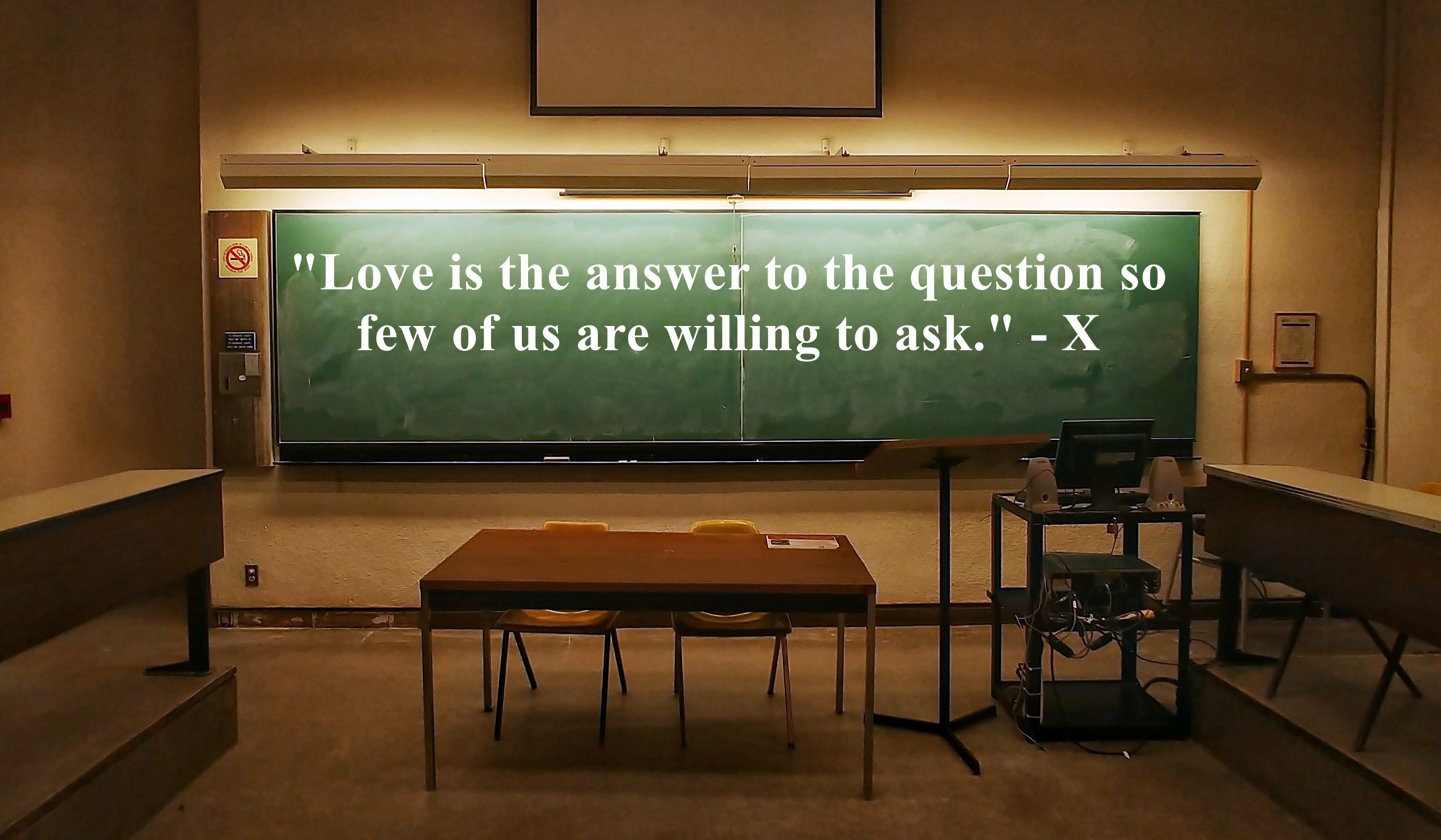
One of the reasons that so many have problems with social media is that they don’t understand the psychology of argument, much less see themselves as other people do. You’re not going to affect someone’s opinion by using a megaphone. Or harsh words. Your volume will be heard – but never absorbed. You become background noise in a world that already has sufficient static to dishearten us. People need truth to be whispered to them, preferably with a velvet glove. Addicts don’t hear love, angry people don’t respond to outreach, and most of us must approach new information sideways, like human crabs. It takes time and compassion to affect someone. I hate that I only learn many of my lessons after the class of life is already over. I know I’m wrong about so much, because as confident as I was when I was younger, it is painfully clear that my ignorance held me captive. That process surely still continues, with future days looking back at today in surprise at my slow evolution.
Words are an important component of the process. Actions are another. If you’re polarizing, you are shouting on the internet. People will tune you out. Whether you’re blind to this truth or not, you should pause and consider what kind of conversations and communication have an impact on you. I’ll bet that your vision doesn’t include anger, shouting, or aggressive insistence. Communication requires comprehension. By being tersely aggressive, you’ve short-circuited your ability to not only reach people, but also to put a little bit of ‘you’ inside their heads, much less their hearts.
If your goal is to reach a person’s heart and mind, you must take the time to share a little piece of yourself in the process. People might respond if they recognize a bit of vulnerability in your words. It’s easier to accept someone if the listener observes a bit of humanity. People respect doubt, as it provides a common avenue for us all to recognize that we don’t have all the answers.
Take the time to share yourself. Include your opinions in the process. It’s social media. If you understand the social component, you’ll wisely avoid the urge to do the equivalent of standing on the street corner shouting. You’ll get further by shaking hands, hugging, and relating to people in a way they can understand.
If you can find a way to express yourself with love, it will shine through in your words. Everyone will be richer for it.
We want to get to know other people. We feel like we already know you if your tone and tenor is not tender.
I’ll give an example: I wish we had universal health care for everyone. Life can hammer any of us to the point of bankruptcy, whether we’re lucky enough to have insurance or not. Not only would providing healthcare be cheaper per capita, but it sends the message that we are willing to collectively help one another. It is the purest practical expression of love and compassion. “Do unto others” compels me to agree that everyone should have health care equal to me. Health is the often ignored common denominator to a happier life. In the last year, I abandoned so many bad habits and transformed my life and body. Despite doing it right, my body still threw me a red flag and almost killed me. People don’t deserve the physical terrors of cancer and a list of other diseases. When I hear arguments about universal health care, I don’t hear practical arguments: I hear a lack of “do unto others.”
Don’t “@me” that you don’t know how to write. It’s not about that. It’s about openly sharing your thoughts and yourself. Language is never an impediment to sentiment and feelings that brim over and out of your heart. You will always find a way to express the best emotions. We’re hard-wired to do so. All of us.
P.S. If you want to really break free, open your closet of secrets. So much of our anguish is contained in the things we don’t want other people to know. You’ll never be authentically loved if your secrets and locked in a closet.
Love, X
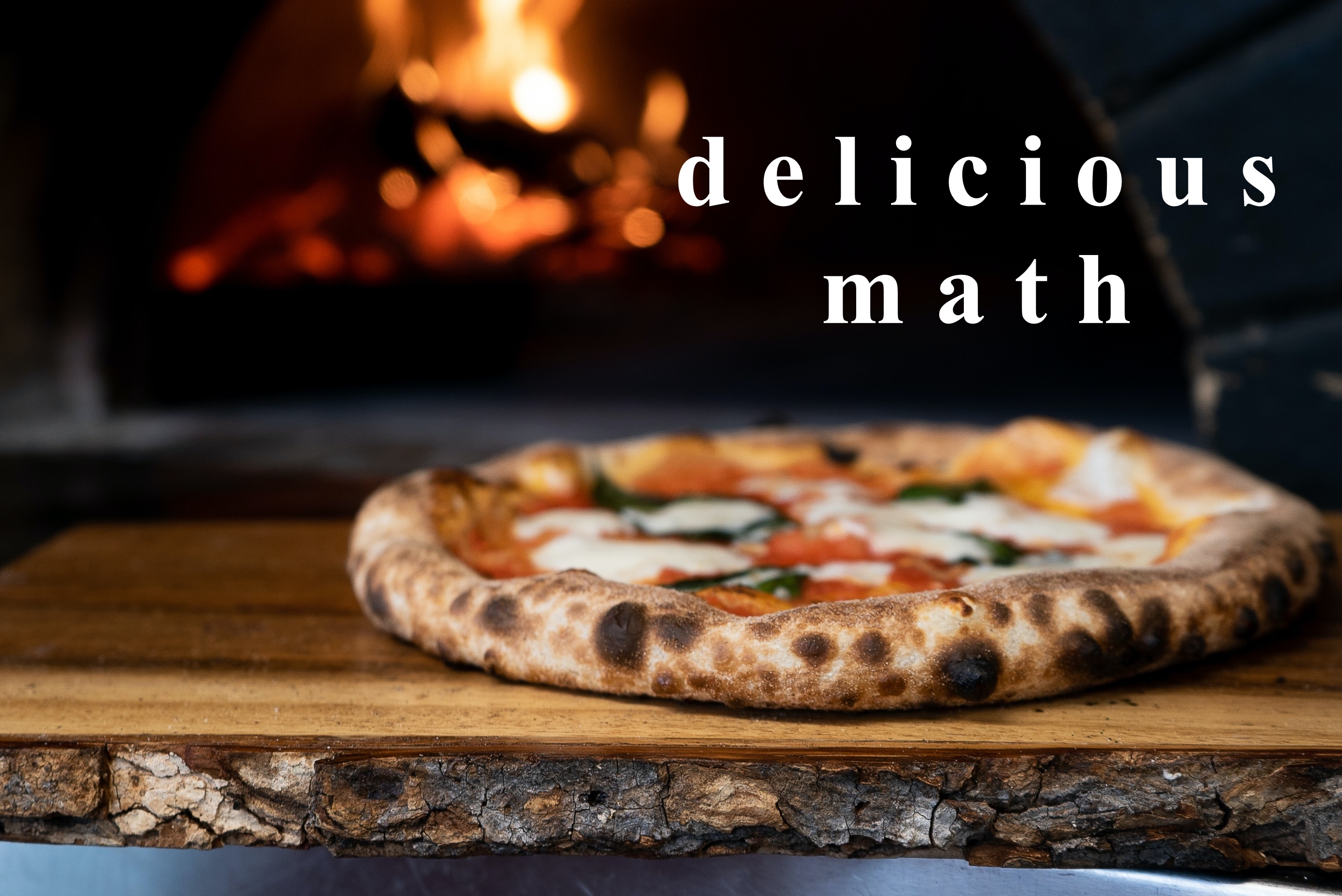
Pizza Math And More
A 16″ pizza is equal to four 8″ pizzas.
“Math was easy until the damned letters got involved.”
This is one of the few instances when math helps you to see the obvious.
Don’t let the formula fool you with round pizzas.
A = π r²
A = area
π = 3.14
r = the radius, or 1/2 the circular size
The area of a pizza is easy to calculate. If the pizza is 18″, the radius is 9″.
9 x 9 X 3.14, or 254 inches of pizza.
An 8″ pizza is 3.14 X 4², or 50 inches of pizza.
A 10″ pizza is 3.14 X 5², or 78 inches of pizza.
A 12″ pizza is 3.14 X 6², or 113 inches of pizza.
A 14″ pizza is 3.14 X 7², or 154 inches of pizza.
A 16″ pizza is 3.14 X 8², or 201 inches of pizza.
An 18″ pizza is 3.14 X 9², or 254 inches of pizza.
If you buy rectangular pizza, it is of course, easier to calculate.
A = Length X Width
If you buy a triangular pizza, you’re high. Go sit down.
It is amazing how often people think a 16″ pizza is twice as much pizza as two 8″ pizzas. It’s not: it’s FOUR times as much. An 18″ pizza is FIVE times as much pizza as one 8″ pizza.
If you’re looking for maximum “fill,” don’t forget to take into account whether the pizza is thick, thin, or regular. You might as well get the best bang for your buck. One “normal” slice of pizza is on average 1/8 of your total caloric need for the day. That can be depressing, but don’t dwell on it. It’s okay to be a glutton once and a while, especially with pizza. Never trust a man who dislikes pizza.
*I catch myself making the same sort of mistake at the grocery store. Luckily, most shelves have the “price per oz” marked.
*There’s a link below for a website that has saved students and adults alike a million hours of math anxiety: Wolfram|Alpha.
*If you want to know how to type special characters on a windows keyboard, there’s another link below.
PS: For early morning, I ate a light greek yogurt, fiber, vitamins, two cups of coffee, and a protein drink. For lunch, I ate a baked buffalo chicken breast (I cooked 6 lbs, all different flavors), a cup of light cottage cheese, a V-8, and a chocolate pudding cup. I don’t count calories myself, but it’s about 500 and a LOT of food. More importantly, I consumed about 90 grams of protein. I’m not accustomed yet to thinking ‘protein.’ I FEEL like I ate a large pizza.
X
.
https://www.alt-codes.net/ For special characters such as an upraised 2, the pi symbol, an ‘e’ with an accent, etc
https://www.wolframalpha.com/ For a million shortcuts to do math.
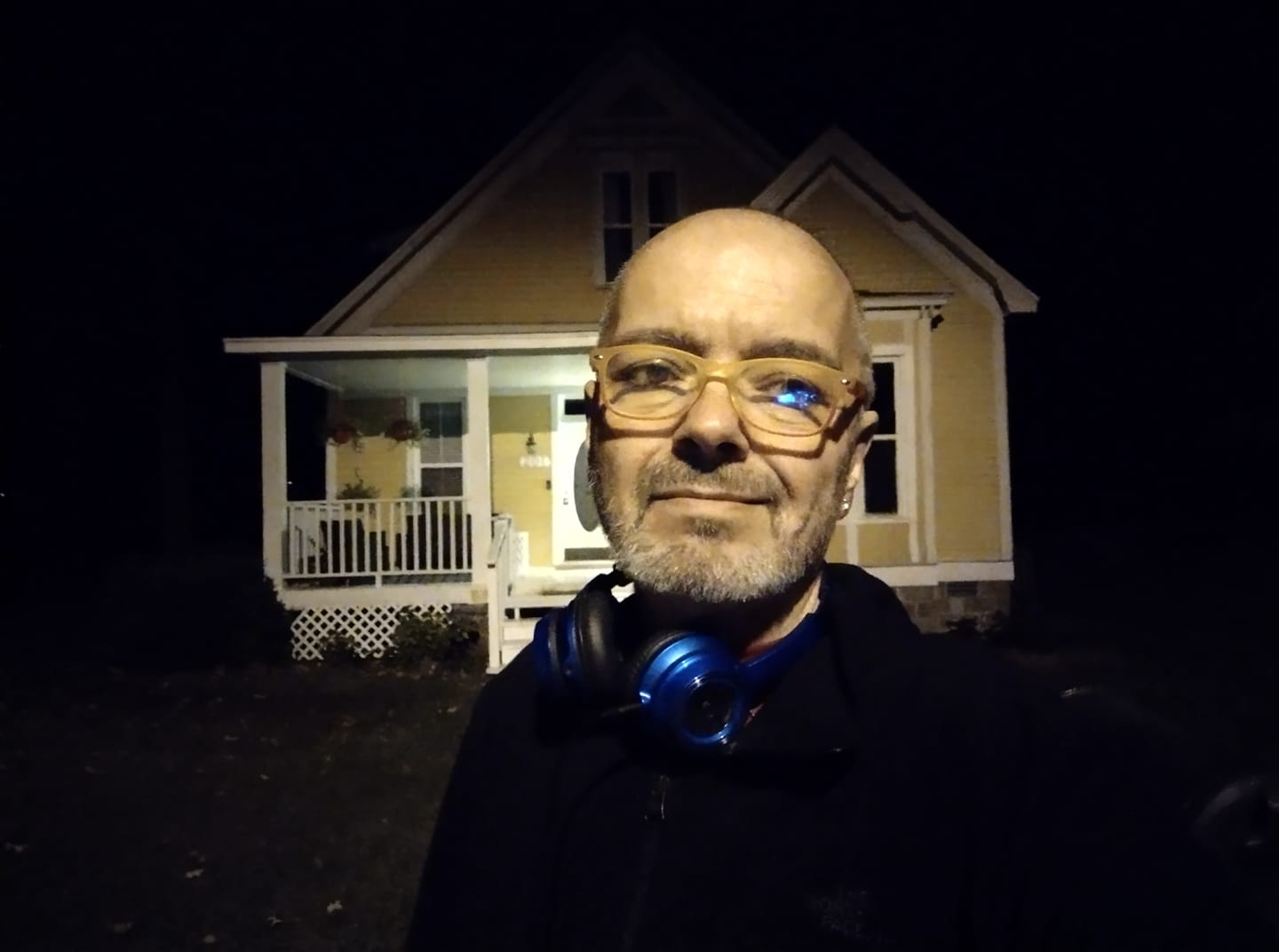
Four weeks ago today I woke up briefly at 6 in the morning. I had an NG tube, a catheter, an IV, and a spider web of other connections to machines. I was alive and the horrible spasmic muscle pains in my abdomen were gone, replaced by a strange feeling of void in my body. It feels like it was both yesterday and a year ago. As I walk the neighborhoods this morning, I’m grateful that my feet are capable of walking all these miles only a month later. I’m greedy for many more. It’s very dark here in suburbia, as close as I am to College Avenue. I can barely see the asphalt in front of me. I trust my feet to find their way. I’ve surrendered to the idea that no matter what we do, life always gets the last word and laugh.Love, X
 P.S. Parenthetically Speaking