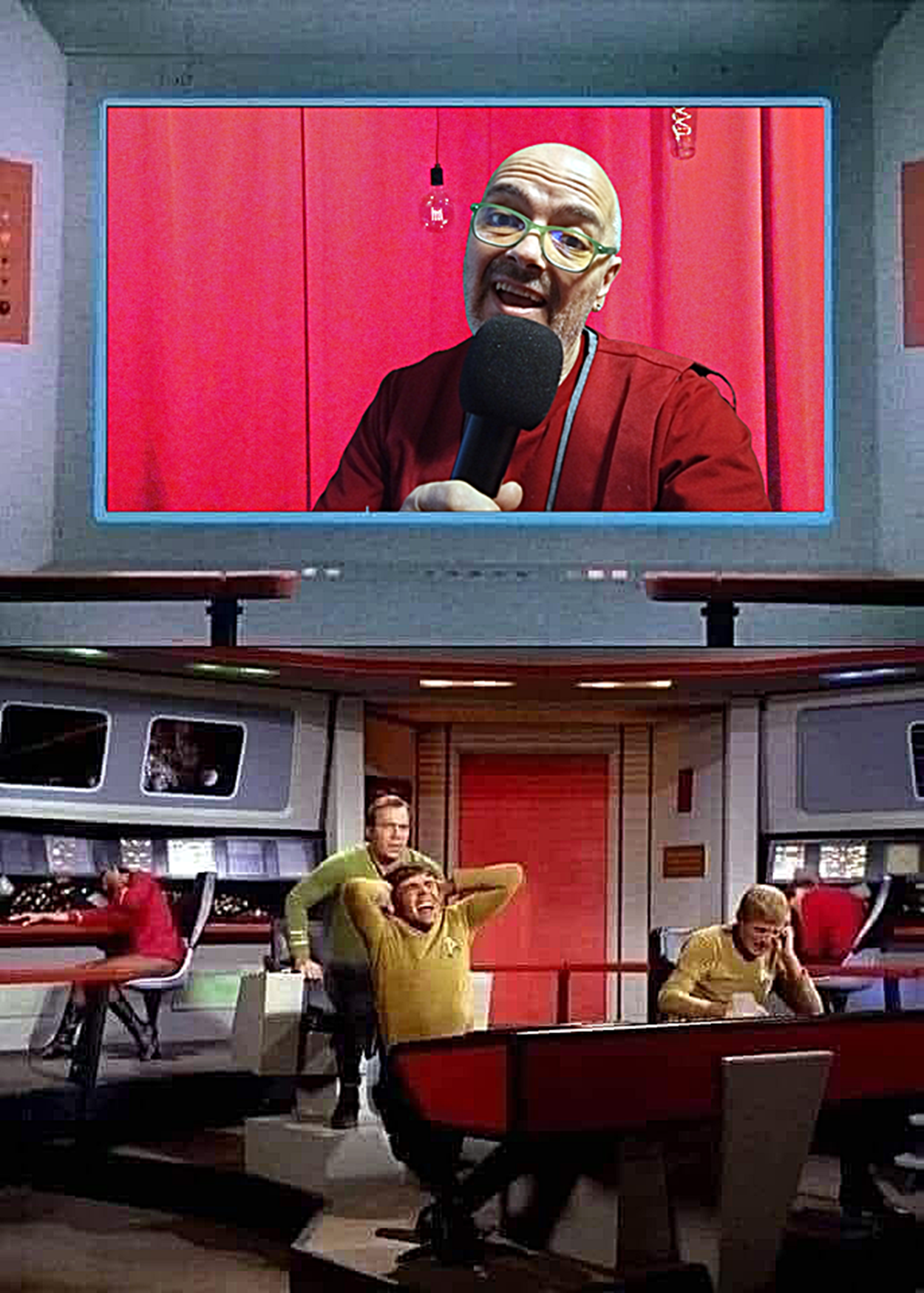
I’ve been working on my new album. I have to finish it before Adele drops hers. Live focus groups, however, have been giving me mixed critiques!
.
.
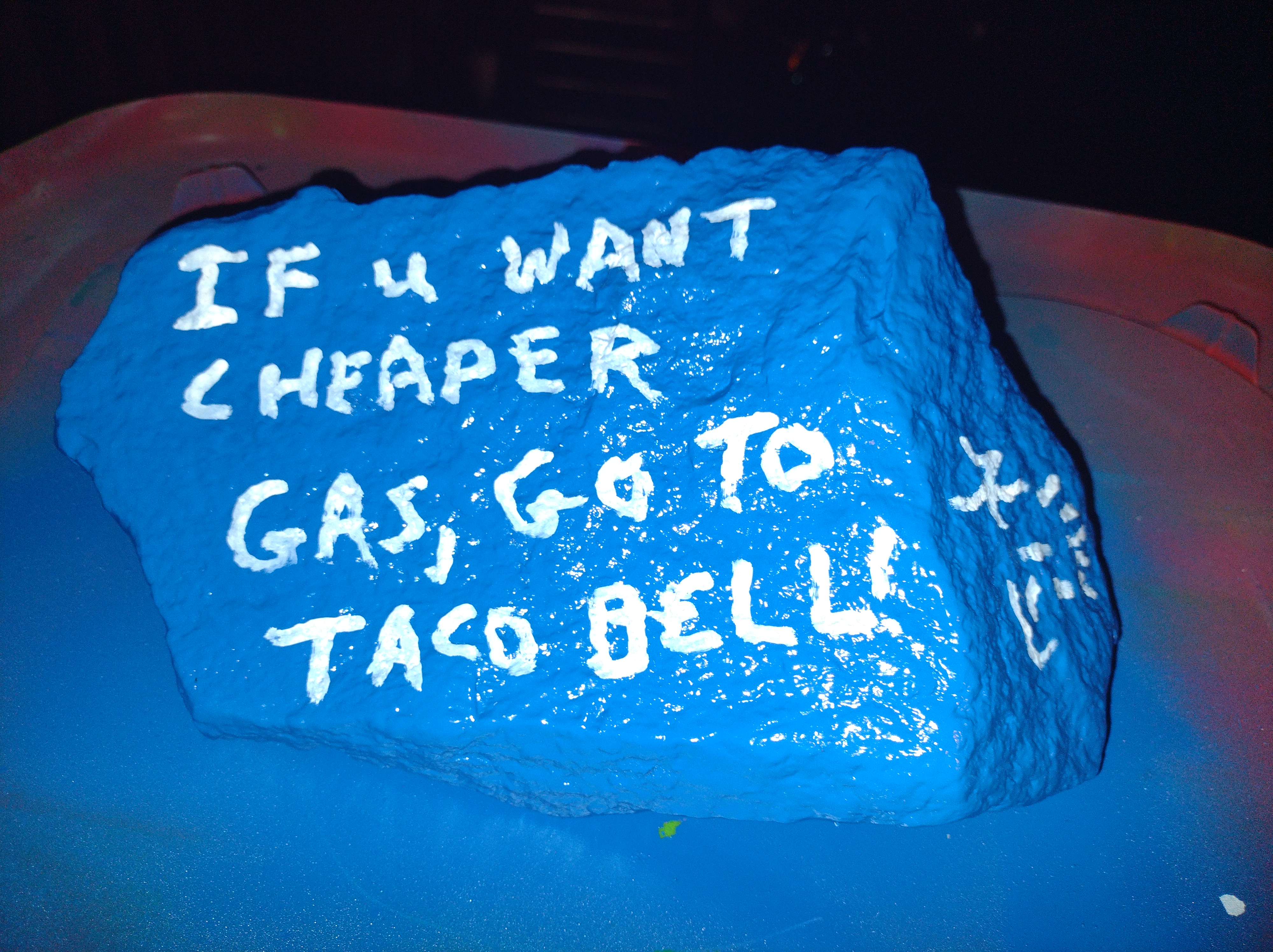
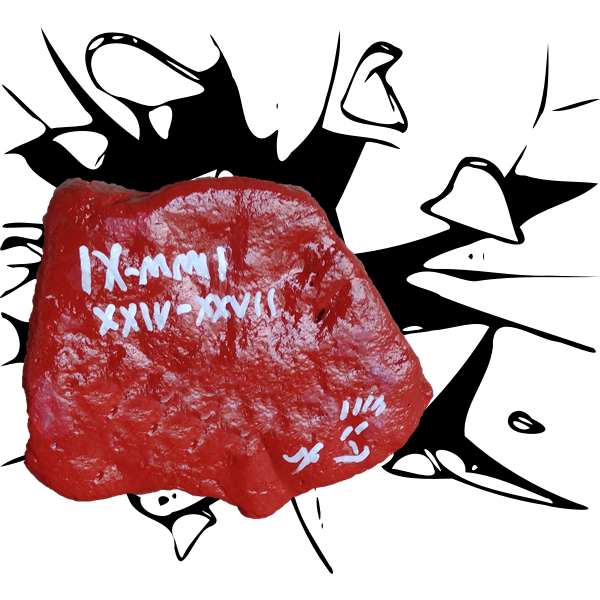
My latest painted rock. Would it be funny to conspicuously place this at the local convenience store gas pumps?
.
.
.
.
.
“Trivial Pursuit” would be an ideal and sarcastic name for my autobiography. And each chapter should start with a question; by the end of the book, you could calculate your correct guesses. .
.
.
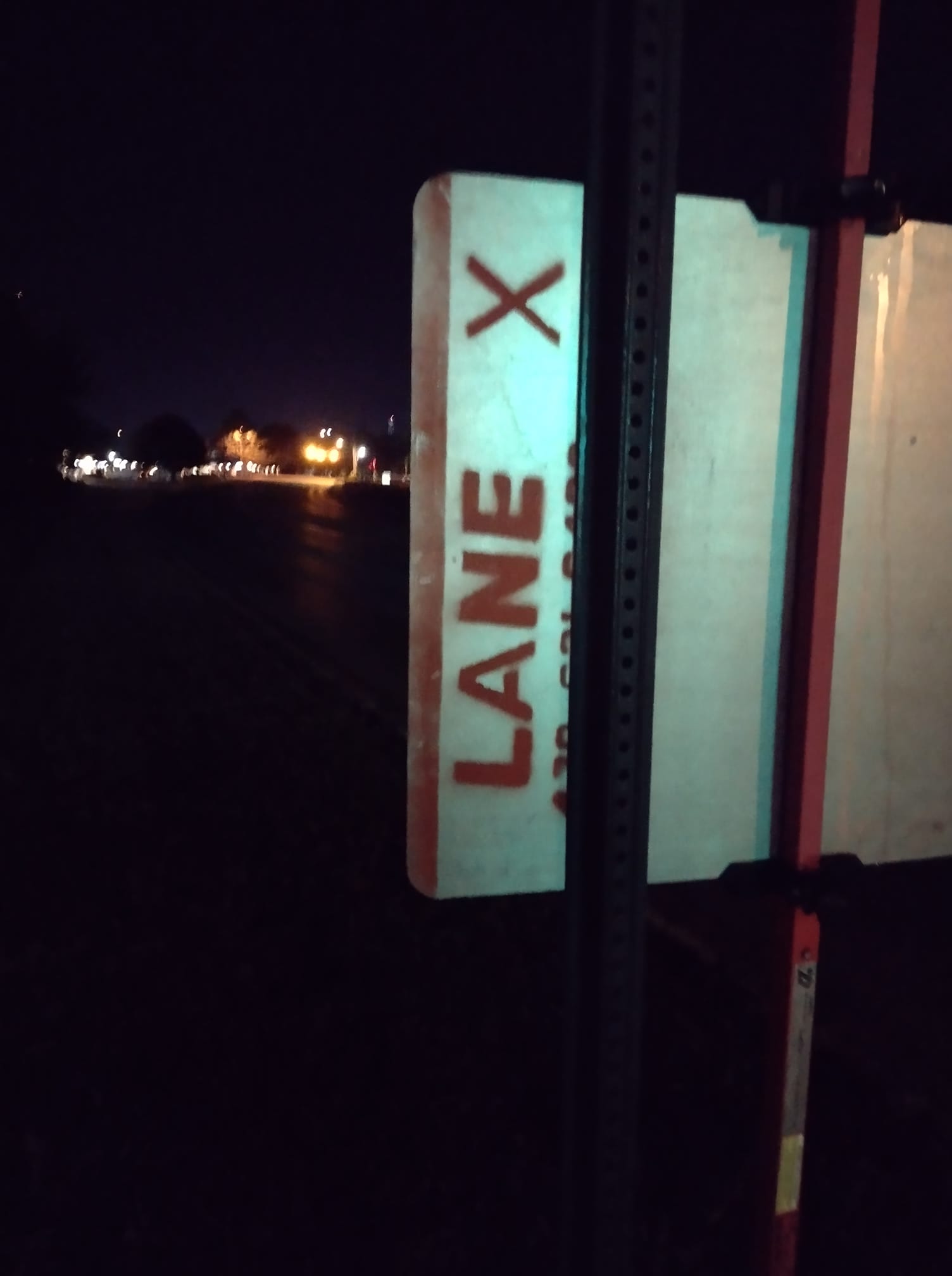
Fayetteville is getting a little out of hand with these personalized signs. I noticed this one on my early morning walk today. ..
.
My counselor said, “If you don’t like having a mortgage, then you have an Apartment Complex.”
.
.
.
.
In this modern world, the best enemies are the Amish, because they’ll never see you talking smack about them on the internet.
.
.
My application for entry into the Seminary was rejected. One of the questions asked was, “Give an example of how the Church might save a lot of money.” I answered, “If you’d bless the water filter, you could make a lot more holy water with each blessing.”
.
.
.
.
My neighbor told me he couldn’t figure out why people stopped honking at him while he drove. I didn’t have the heart to tell him I’d placed a “Student Driver” sticker on his bumper.
.
.
Note: the spelling error is intentional on the above picture!
.
.
.
.
Microsoft now offers bedding. I went online to the Microsoft Store and bought myself a set of nice Excel spreadsheets for $20.
.
.
.
.
.
.
Therapy With Humor
When I arrived at the counselor’s office, I texted her in Spanish: “I’ve arrived. I hope the clown suit doesn’t bother you.” (She’s learned a decent amount of Spanish) I don’t think she would have been surprised if I had a clown suit on.
.
.
I drew a picture of my money.
.
.
I won’t inundate your feed with too many pictures of my cat Güino. However, people ask, “What’s with his name?” When he came home from the Springdale Animal Shelter in 2008, he was VERY young. When I visited him at the shelter, all he did was make this strange cry. It sounded like a penguin! Since I love Spanish, I shortened the word “pingüino” to “Güino.” It’s also fun to use a name with an umlaut in it. It’s pronounced “Gwee-no.” .
.
.
My counselor said, “If you don’t like having a mortgage, then you have an Apartment Complex.”
.
.
.
.
An edit I did for a meme I see all over the internet.
“The internet does NOT make people stupider. It gives the stupider people more reach. And you’re one of them, X.”
Hmmm…
I think this person doesn’t like my writing.
I wonder why they keep reading?
On the same day the above fan wrote to me, another friend reached out to tell me how much I’ve been on her mind, and how much she appreciates reading the wide range of things I share. I was touched. As with so many others, I had no idea she read much of my meanderings.
To my friend who reached out, thank you. Kind words are like sunshine on a cool October morning.
PS For those who reached out privately and shared their stories in response to my post “Addiction Road,” thank you. I knew I wasn’t going to get a lot of direct engagement. Those affected by addiction often can’t find a way to succinctly bare their souls. But I can say it is liberating to yield. It’s the only way for most of our problems and mental health. We all share the same humanity, whether it is beautiful moments or debilitating pain.
Hi. It’s me, X, the guy who learned the hard lesson of discovering that I’m as stupid as anyone else. We’re all stupid; we take turns wearing the dunce cap. Mine fits a little too well. It opened my eyes to blind corners in my periphery, ones I was responsible for and failed to illuminate.
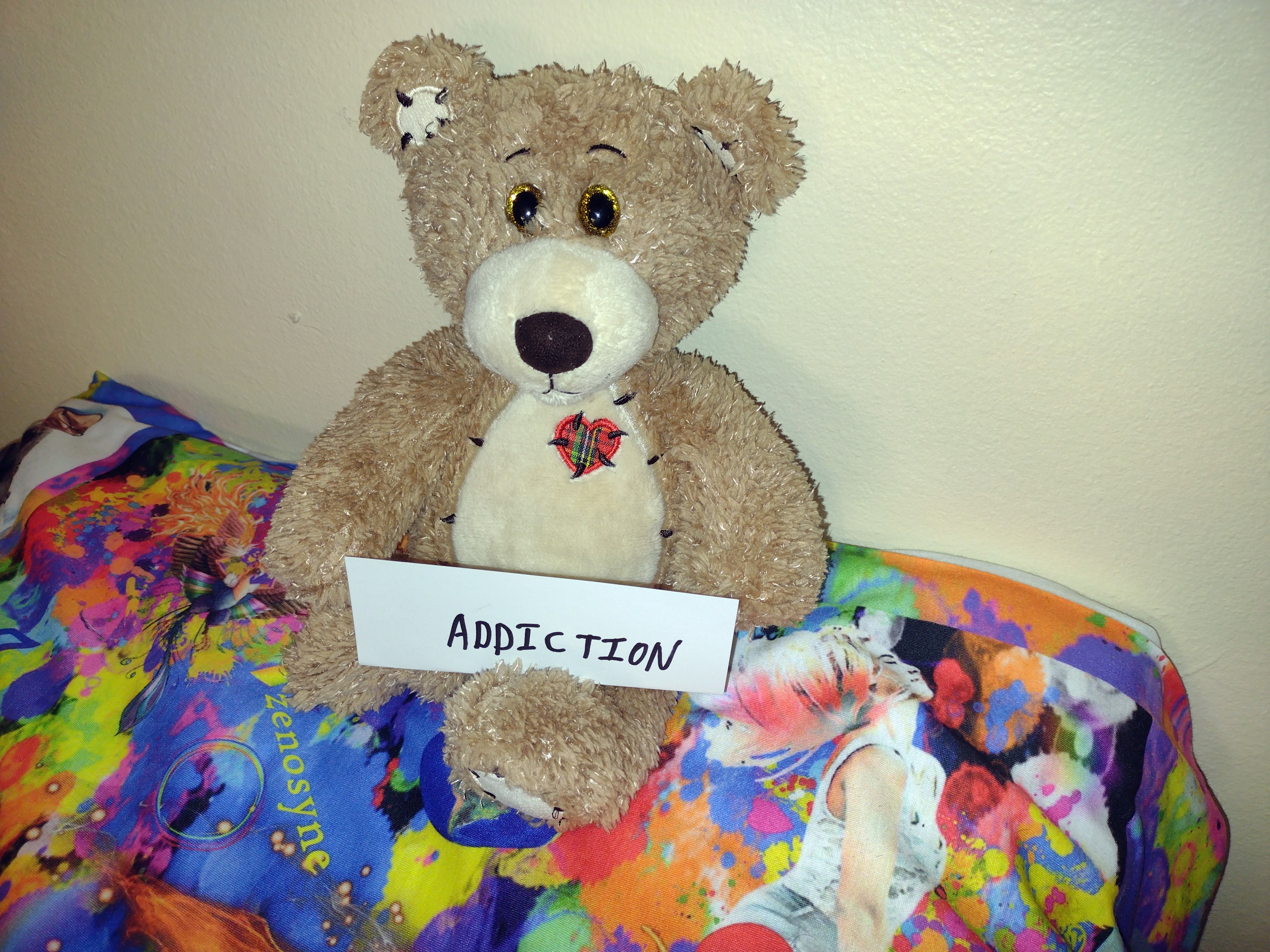
That’s my teddy bear in the picture. My friend Leigh gave it to me as a surprise when I was in the hospital. I named it Azon, short for “corazon” in Spanish. (It has a heart on its chest.) Because I didn’t want to breach her privacy, I didn’t say before that my ex-wife Dawn came to the ER and stayed there until 1 a.m. when the surgeons cut me open. She got to experience the joy of watching me throw up countless times, roll around on the cement floor, and semi-scream/groan at least five hundred times. Not many ex-wives would do that, especially with the rawness of the divorce so close. I won’t forget the kindness. Neither of us will forget the spectacle. It’s important to note that such kindness is the most difficult when we’re hurt. I’m not a Christian, but it’s as close to the ideal of “do unto others” as you’ll likely find. If she needed to see me suffer to get over the stupidity I put her through, this should adequately fill the need.
Life looks different when you’re older, after making mistakes and watching people around you mystify you with their decisions. When I was younger, I had an anger that has dissolved into recognition that I, too, contained slivers of the demons that possessed them. I’m grateful that I’ve avoided most of the dreck that worsened their lives. As a bystander, though, I paid the price.
I’m writing to a specific subset of friends and family, ones who might not otherwise see something like this and realize they have someone in their lives who needs attention.
There can be no preambulation or proverbial beating around the bushes. Time is short, even if you don’t realize it.
I wrote this with love in my heart; I’ve learned that my imperfectionism often jabs people unexpectedly, no matter my intentions. I’ve crossed the line a little by sharing parts of my experience that overlap with other people. It’s risky, but it’s also the most rewarding. Someone is going to read this and have a light bulb go off in their head.
Because of my history, I have a lot of experience around addiction. An inherent danger of such exposure is to fall into the hole, believing oneself incapable of succumbing to something that always originates with free will and repeated choices. Every addict started with no intention of losing themselves in the abyss and misery of addiction. Addiction is a byproduct, not a goal. I also hated to SEE that though I’ve acquired significant experience with addiction, my ability to pivot and behave differently in response to those in the throes of addiction hasn’t necessarily improved. I’m as helpless and stupid as the next guy when confronted with someone in my sphere who won’t “snap out of it.” When friends or family members ask for advice, you’d think I would be one of the most qualified people to answer.
Why should we shake our heads so violently at addicts? Most of us become obese, smoke, or routinely engage in detrimental behavior. We say, “It hasn’t killed me yet!” That’s true. Just as in the case of addiction, we don’t address our misbehavior until we are forced to. Addiction becomes unmanageable due to money, exposed behavior, or a decline in physical health. Addiction to things like heroin brings consequences more quickly than our national pastime of alcoholism.
In case you didn’t know, I drink. I love a good beer (and many bad ones, which many people claim tastes like dog urine), whiskey over ice, or vodka and sweet & sour. Oh, and wine, champagne, port, and several other things. Luckily for me, my like didn’t devolve into an unquenching thirst for it. I recognize how few punches it might take to drag me toward danger. I’ve experienced risk factors such as loneliness or uncertainty.
I’ll tell you a secret: no matter who you are, someone in your sphere has a secret addiction. Some take years to escalate to a point where the secrecy can no longer be maintained. Missing work, a DUI, increased self-isolation, loss of health, financial issues; these are but a few of the symptoms. By the time you note the signs, it’s challenging to pull someone away from it. In reality, you almost can’t. All such changes must start with the person in question. The harder you attempt to use logic and appeals, the more defensive the addiction becomes. They’ll appreciate the love and concern WHEN and IF they overcome their addiction. Until then, you’re just another person pointing a finger and drawing attention to their secret; disloyalty is always grounds for rejection. The agony of it is that if you love them, you’re powerless to resist the urge to try. That’s the bittersweet tendrils of love at work. It’s why I wrote the Bystander’s Prayer. All answers are unworkable. Until they’re not. Those who escape addiction look back and feel so much regret for what they’ve done to themselves and the agony of pushing away loved ones in preference to something they couldn’t escape. If the addict fails to survive, the friends and family always suffer regret.
For anyone who doesn’t know, I’m susceptible to addiction. Part of it stems from my childhood. Studies have shown that abuse and exposure to neglect or addiction hugely impact the likelihood of someone being an addict. My full siblings, parents, cousins, several aunts and uncles, at least two grandparents all suffer(ed) from addiction. For instance, I don’t have a single family member I know of who successfully stopped being an alcoholic. A few of them vilified me for my rejection of being around those who used alcohol to justify destroying their lives and those around them. It was a difficult road when I was younger. Addicts despise perceived disloyalty most of all. I was loudly disloyal and judgmental as hell. Part of that responsibility is on me. In my defense, the very environment that almost killed me taught me the lesson of escape, one I only partially implemented.
Paradoxically, I understand the addicts in my family much better than I did when I was young. As I’ve grown older, I’ve witnessed such a vast spectrum of people fail to “pull up” as their addictions wrapped themselves into their lives. It’s not about being intelligent, rich, having a family, or a good job. Addiction cuts a blind swath. I see many people doubt that their loved one or friend is addicted. They focus on the superficiality of there having been no crash. Yet. I don’t want to alarm anyone, but I can see the allure of yielding to something that gives dangerous comfort.
For years, I’ve known that addiction would be an easy road for me. As much as I got angry at my sister for her more outlandish behavior with the rougher end of the drug spectrum, I watched in horror and regret as my brother chose the traditional and cleverly hidden method to reach his addiction. He chose the slow way of drinking excessively for years. He lost his job, his health, and he died much too soon. I lost him as a brother more than once on his journey. He was as intelligent as any human I’ve ever known. Truthfully, his intelligence made any attempt to address his alcoholism dangerous and impossible. Like so many others, he had a massive wall of rationalizations to explain why he did what he did. That people fiercely loved him had little impact on his behavior. He used it to create an anger shield. I could have been him with just the wrong push. I see the arc of his progression differently now. I have a lot of regrets. Equally valid is that his addiction and intelligence outmatched me. Every course of action I chose to deal with him was turned into a fantasy of aggression.
My cousin Jimmy, who I loved, struggled with alcoholism his entire adult life. Both of his parents ultimately died from it. Cancer got Jimmy; had he lived longer, I would have loved seeing him beat his love of alcohol. I think he would have. It’s no irony that the job he loved best was for a beer distributor. He loved that job.
Recently, I posted my Bystander’s Prayer, one which outlines the grief of those around someone suffering from addiction. No matter how intelligent you are, no one owns a playbook that effectively helps us reach out to someone at the bottom of the well. I wrote it for my brother but finished it for others who were peering down into their own well, helpless, afraid, but possessed by a love that compelled them to try. Thank god for love, even as it stings as mightily as any emotion can.
Most of us approach the issue of addiction as if it is a logical one. It’s not. It’s not genuinely emotional, either. It’s a strange, impossible alchemy of pain that resists easy confrontation. Most of us walk toward the battle with underserved confidence and a lack of appreciation for how powerful addiction is. Words will not work. Love will not work. Love compels us, though. The addict can’t see our intrusion as love. It’s one of our most significant errors when we try to encourage someone to change.
People suffering from addiction loathe attention. Secrecy and omissions govern their lives. So much of a person’s life begins to tighten in on itself like a series of perverse and elliptical constrictions. Sunlight itself serves as a living metaphor for how reduced a person can become. The next black buzz or unrestrained and unseen high becomes its own reward, excluding more and more as it tightens. People, friends and loved ones alike, get flung off the carousel.
Addicts need time alone with the thing that gives them the most comfort. As the addiction grows, time and energy directed to friends, work, and loved ones diminish. Addiction is a zero-sum game; its presence removes vibrancy and connection from lives. It reduces the possibility of a full life. This results in loved ones feeling an increasing emptiness and drives them to greater heights to “get through” to the addict.
For those who don’t suffer from addiction, it’s hard for us to imagine it. We foolishly believe that it is a question of willpower or intelligence. It’s not. Addiction is the parasite that wills its victim to the next high. It is the worst of diseases: it is both physical and mental.
Alcohol is a painkiller, just like other drugs. It grants oblivion from the shortfalls or pain that the addict experiences. All addictions are subject to the law of diminishing returns. Even addicts know this. But the pursuit ensues, no matter how dark of a road it leads someone. If anyone has trauma in their past, it’s that much harder for them to give up the relief of the high to face a drug-free existence. Drugs and alcohol allow us to shortcut our way to temporary oblivion. I viscerally understand the temptation. I’ve been on guard about it most of my adult life.
Prescription painkillers are so popular because they inexplicably don’t carry the same stigma as using street drugs or liquor. There’s no distinction in terms of the effects, though. Usage of prescription drugs continues to rise. I don’t see it abating.
Most people don’t become addicts, even if they try drugs or alcohol. This fact confuses many people who’ve done drugs or drink lightly without falling into addiction. They fail to see that their brain chemistry, environment, or circumstances are not the same as that of an addict. Willpower and motivation do affect people’s tendency to fall into addiction. They are bit players in the drama, though. I won’t go into the complicated realm of brain chemistry or trauma. Science clouds the essential truth of why some are prone to addiction while others are not.
An addiction is ANYthing that grants temporary relief or pleasure yet causes later harm. And even if you’re aware of the effects, you can’t stop. It can be shopping, work, sex, food, and several other things. I’m just addressing the common usage of the word.
I learned from experience that addicts resist connections and thoughtful concern. Even mundane expressions of affection, much less pointed inquiries about someone’s well-being, can be catalysts to rejection. There is no subtle way to ask how an addict is doing without significant risk of being flung away.
With addicts, a straightforward thing you can and should do is learn the habit of lifelining. If you’re not familiar with lifelining, it’s just a word to encompass letting people know that you are, at a minimum, still alive – or available if you have an addict in your periphery.
Addicts who survive the ordeal also face the backlash of loved ones who endured anger and pain due to the addiction. It takes a long time for people to forgive such damage. Many families are forever torn. Forgiveness is a personal choice.
The pandemic accelerated drug use and alcoholism. Isolation is a precursor to more people succumbing to addiction. We had a record number of people overdose last year. We don’t have the statistics yet to know how many more chose to drink to quench the loneliness and hurt of their lives. People are social creatures, and addiction thrives on secrecy. Depression is also on the rise. It’s often a close cousin to addictive behaviors.
Again, you have a person in your life, closer than you’d imagine, who needs a little extra love and attention. There is time to attempt to reach them. Don’t be surprised if your hand gets bitten. It’s the first step.
Even as addiction rises, we don’t provide people treatment. We stigmatize them. Even with excellent health insurance, many plans will only pay for 10% of the cost, if at all. Everyone else? They have to destroy their health and lives to get help.
As I stood outside painting another big rock for my landing, I realized that they are the perfect size to throw through my large front windows. This one, the one I painted today, I stole from the remnants of a neighbor who moved out and left the apartment in a “shambles,” whatever that is. The neighbor who moved should have taken her trash with her; it would save time for her to clutter the new place like this one immediately, so she’d feel more at home.
Notes: Metal security doors are dumb when there are large, knee-high windows right there next to them. . I have a metal flipper that goes inside the jamb. It requires two hits with a battering ram to break through. This will give me time to make coffee and donuts for the police who will inevitably storm my apartment by accident, thinking I’m the drug dealer here. I’m considering putting a note and an arrow on my front door, pointing to the actual known drug dealer. It’s problematic if he sees it, though. . I do have a security camera, though I almost always leave it unarmed. And unlegged. I use it more for entertainment and as a virtual window than anything. . If you’re wondering, YES, I do paint rocks ornately or with clever messages and leave them all over Fayetteville. The rocks are free ( 🙂 ) and the paint doesn’t cost much. . I also love painting quarters and then using them in the washing machines and dryers. Sidenote to this note: you can get master keys to almost all commercial washers online. I wouldn’t of course. I just like knowing that I can. .
I had a rough few moments today. I had some great moments too. My emergency ER visit and subsequent surgery happened three weeks ago today. The bills will inevitably come. The good news is that I know the hospital is very invested in me not dying because otherwise they won’t get paid. I take solace in that!
…also, my 401k provider keeps saying, “You fixed it,” and then emailing me to say my account is not up to date. I kindly call them and say, “Hey, I almost died. Could you get this updated and fixed?” They say, “You’re good.” Four times in a row. I had to falsify a pdf form today because the fact that I’m not married evidently isn’t proof that my spouse consents to the change. 🙂
“Your body reflects what you do habitually.” I’d add, “Your life is the same.”
Choices. Habits. Focus.
Stupid buzzwords that also are true. There’s no magic formula for most of it. It’s just consistency and using our intelligence and creativity to let our bodies do what they are supposed to. It also requires silencing that negative voice in your head. You are not your past or your past choices, even though that’s precisely what most of us think when we’re alone with our thoughts. Life would be staggeringly bad if we believed that we were incapable of striking out on a new path. I look at my hands each day and find it impossible to think that I bit my fingernails for 50+ years. It’s stupid. I look back at my pictures, and even during years when I was appreciative of life, I can’t help but wonder how much more life I could have experienced if I’d woken up sooner. I can’t recapture those years, but I can tuck them away as a constant reminder.
I’m a few days away from my original year-long health/weight plan. My brother died on October 5th of last year. Following that, I had the morning where I thought I had covid and felt like I would die. It seems like five years ago. But I still feel the gong of that day in my head when I remember ‘seeing’ my new self. Over the last several months, I’ve worked on reading, watching, and absorbing as much science-based material that I could about health, weight maintenance, and exercise. For me, it is painfully obvious why most people fail in their efforts.
I know people read some of my thoughts and wonder why I feel like I can give advice. All of us have our moments and experience. I know what I learned and what worked for me. Almost everything can be boiled down to wanting to change and then experimenting with what I thought I knew versus what works. I can’t help but be a little evangelical about it because not a day passes when someone doesn’t express a desire to get control of this aspect of their lives. I’m insistent on telling them that they can, even if they do so, without disrupting their days with crazy programs and “musts” that don’t hold up to science. Major change can be achieved incrementally, one little choice and habit at a time.
I started on June 1st with pushups. Within weeks, I was doing hundreds a day, culminating in me doing 1,500 some days. That makes me laugh. A week before my emergency surgery, I decided to limit myself to 500 a day for maintenance and modify my diet to add protein and more calories, in part to shift to more muscle-building. How ironic that I’d made the shift just three days before my surgery on Monday, September 13th. It is unfathomable to me that it’s been only three weeks. For anyone who doesn’t know, my surgery didn’t result from overexertion. I had a tiny bit of scar tissue that caused my intestinal loop to get lodged in the void created by the scar tissue and cut off. The only way I could have ‘caught’ it would have been to have a colonoscopy very recently; even then, surgery would have been required.
The surgeons look out the small loop. Pain saved my life, even though I will never forget rolling around on the cement floor of the ER for hours. Being thin made my recovery incredibly faster. Since then, I’ve followed the advice of surgeons and nutritionists. I’ve used dumbbells relentlessly so that my transition back to work will be less eventful. What happened to me could happen again – or to anyone. I’m thankful it wasn’t a tumor, a heart attack, or an aneurysm. After I woke up alive, I found out that my initial CT Scan had a mass that looked indistinguishable from a tumor. The surgeons thought it was going to be a complicated surgery. They were surprised to find it was straightforward. Life’s lottery gave me a pass for another day.
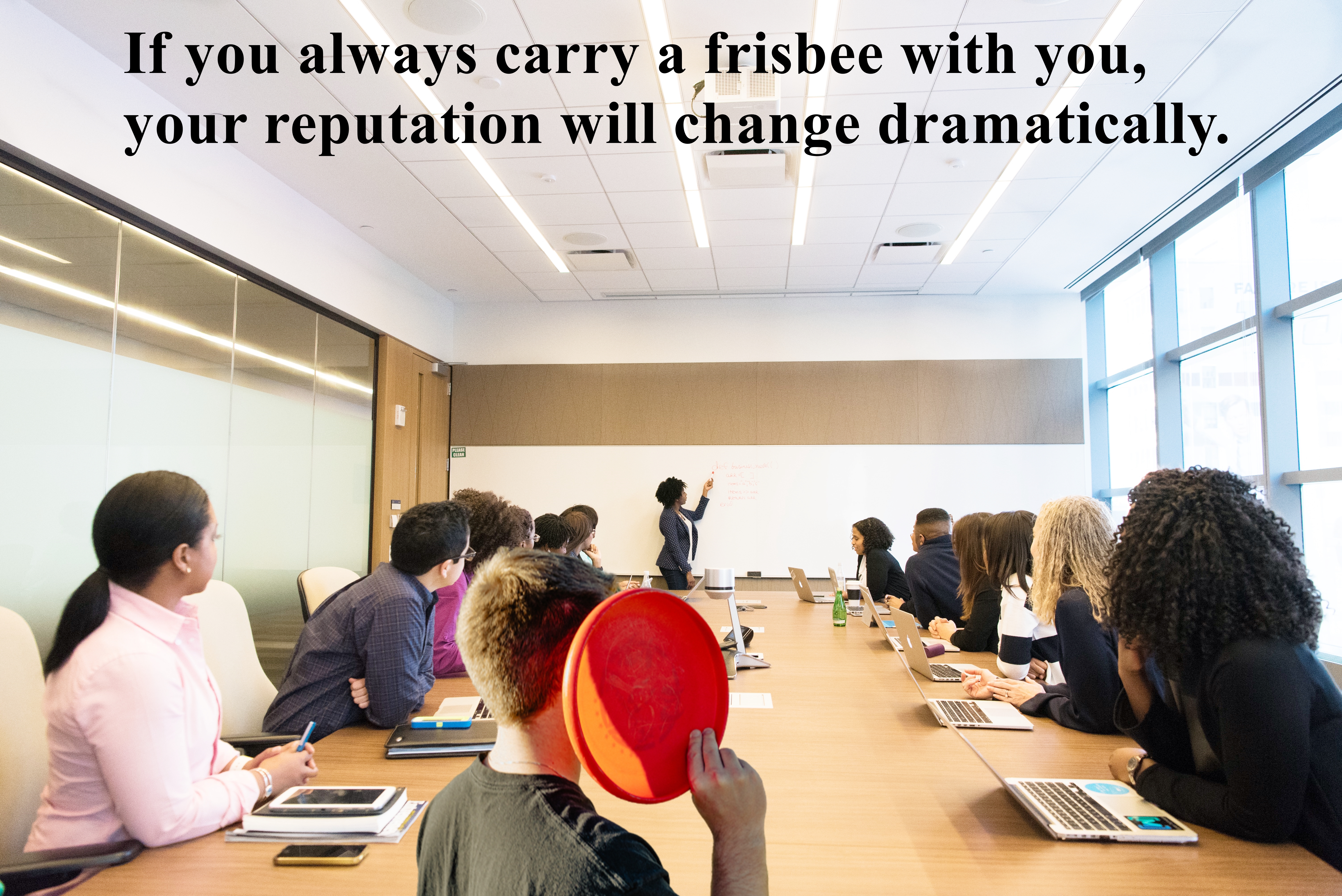
In a nutshell, here’s the gist: the simplest way to stay thinner is to control what you put in your mouth. (Sounds obvious, doesn’t it?) Beyond that, move around, preferably with activity. But while you’re at it, get rid of the idea that you have to artificially block off time or engage in rigorous (and likely boring) traditional exercise. Walk your dog, cat, or opossum, vacuum, play frisbee, walk across long parking lots instead of hovering by the door. Be creative.
Anywhere from 75-90% of every calorie you burn is from just living. You burn 10-20% of your calories exercising at most, and that’s pushing it. Yet, most people jump into health kicks thinking exercise is the critical component. It’s not. Controlling your diet and maximizing your ability to consume and burn calories when you’re not moving is key to any long-term weight maintenance routine. Since most of your calories are burned from everyday living, the biggest bang for your time is derived by taking the effort to control what goes into your mouth. The second biggest results from moving, no matter how you choose to do so.
Exercise is essential for a lot of reasons. But you’re going to have to get over the mindset that it’s the single solution to weight maintenance. You’ll note that most healthy people incorporate activity into their everyday lives. It does not need to include weight-lifting, running, or other dedicated activities. If you enjoy those things, knock yourself out! If you don’t, find something that works for you – things that don’t cost you a fortune, injure you, or make you resent activity. We have so many options to entertain ourselves.
Most people don’t stick to unnatural attempts to exercise. Much of the gym universe is predicated on taking financial advantage of people’s inability to stick to life changes that become habits. All that time you spend driving to and from the gym would be much better served walking or finding ways to stay active during your day. (IF you’re not going to stick to it long-term, I mean) And if you do enjoy the gym, by all means, go! If you find that the routine of the gym galvanizes you into continuing with exercise, don’t think I’m saying it’s a waste. It’s not. Any routine that works for you is worth the effort, no matter what it is. If you’re willing to learn new comfort zones, you’ll more likely stick to what works for you. Don’t worry about what everyone else is doing.
And if you don’t, find inexpensive equipment to achieve the same result at home. Most of us are not athletes. Feel free to run if you want to. But a 180-lb person burns about 170 calories running a 10-minute mile. You burn roughly 100 calories walking a mile. This isn’t a cardio-versus-exercise post. The point is that if you commit to a sustainable diet and activity, you’ll be more likely to be successful. Sheer bouts of willpower don’t work very well. And they contribute to that creeping feeling of failure or disappointment when you fall off the wagon.
Quit fighting the science that tells us that slower-paced exercise yields almost the same benefit as intense bouts of bone-wearying exertion. If you do activity or exercise that builds muscle, you’re going to burn more calories when you do give in and sit on the couch. You don’t have to spend an hour at a time to get healthy. However, you have to commit to making habits that make staying fit and healthy an inevitable consequence. Taking six ten-minute walks yields almost the same health benefit as an hour-long walk.
If you do build muscle mass, you’ll burn a lot more calories than by simply losing weight. It’s one of the reasons you need to keep in mind that muscle will increase your weight and keep you healthier and adjust your metabolism. And you’ll look better and feel better. I’m not anti-weights at all. I’m anti-starting-what-you-can’t-always-continue-to-do. Every activity you choose pushes other alternatives out. If you’ve got the time and stamina for weight training, that’s great! I don’t want you blaming your perceived ‘failure’ for not going to the gym. You don’t need a gym if you have the motivation to do things differently.
Recently, someone I know was lamenting that she hadn’t “went to exercise the entire week.” I asked, “But if you’re at home on the couch, you can do 1,000 exercises. Pushups, dumbbells, walk in place, run in place, etc. If you can watch four hours of tv, you can definitely do 30-60 minutes of activity – and still watch tv while you do it.” She looked at me blankly, knowing I’d eviscerated her excuse. “Yes, but a couple of those evenings I was at sporting events or with a friend.” I paused. “Okay, but you can still do a lot of activity when you’re at a sporting event or a friend’s house. Or, heaven forbid, while you’re working. Instead of getting out your phone, do sets of exercises. How is that any ruder than ignoring your friend while you’re on the phone? You can still talk to your friend even if you’re on the floor doing pushups. You have to normalize your choices and stop normalizing your excuses.” My sermon was over.
Use incrementalism to achieve the same objective without devoting your precious time to artificially forcing yourself to exercise. If you can’t do it the rest of your life, you’re making it worse for your future self.
Pick something you know you don’t need. Doritos, for example. Eat less of them. Just that tiny step will, over time, reduce your weight and improve your health. Keep adding small changes by choosing differently. If you’re not hungry, stay out of the kitchen. If you can, don’t bring home things that you know you can’t resist. Use them as treats rather than staples. In our world, there are so many options we can choose from instead of empty calories. You’re not going to get where you want to be by doing the same things; change is mandatory.
It’s day one for you, rather than “one day.”
Keep moving. Eat less.
Find ways to make food both enjoyable and rational. If you don’t choose to do this, your hard choices are already made for you – and the person you’ll be next year will have to deal with your current inability to focus.
Food is not going to stop being delicious. Food manufacturers are beyond incredible at what they do. They design foods that make you want to eat more. Don’t feel wrong about being normal and loving such foods. Feel bad that you know it and won’t choose a different way to react.
So what if you binge on terrible foods? It’s more about the arc of your effort than a single day. Eat a large pizza or a pan of lasagna. A single day’s extravagance will not derail you. It’s all mental.
Choose your hard until it becomes easy.
I’m just a few days away from October. I started my journey and promised myself I’d take a hard look after a year. Despite having surgery, I’m more convinced than ever that I’ll never be fat again.
It’s just math: keep my intake lower than my exertion. It’s not much of a secret formula, is it? You already know all of this.
WW, Jenny Craig, and the hundreds of other programs are out there if you need them and if they work for you. But it is entirely possible to achieve your goals without paying for an extra program.
The secret is a desire to be the person you want to be and find a way to get there.
Put it into literal action.
Love, X
.
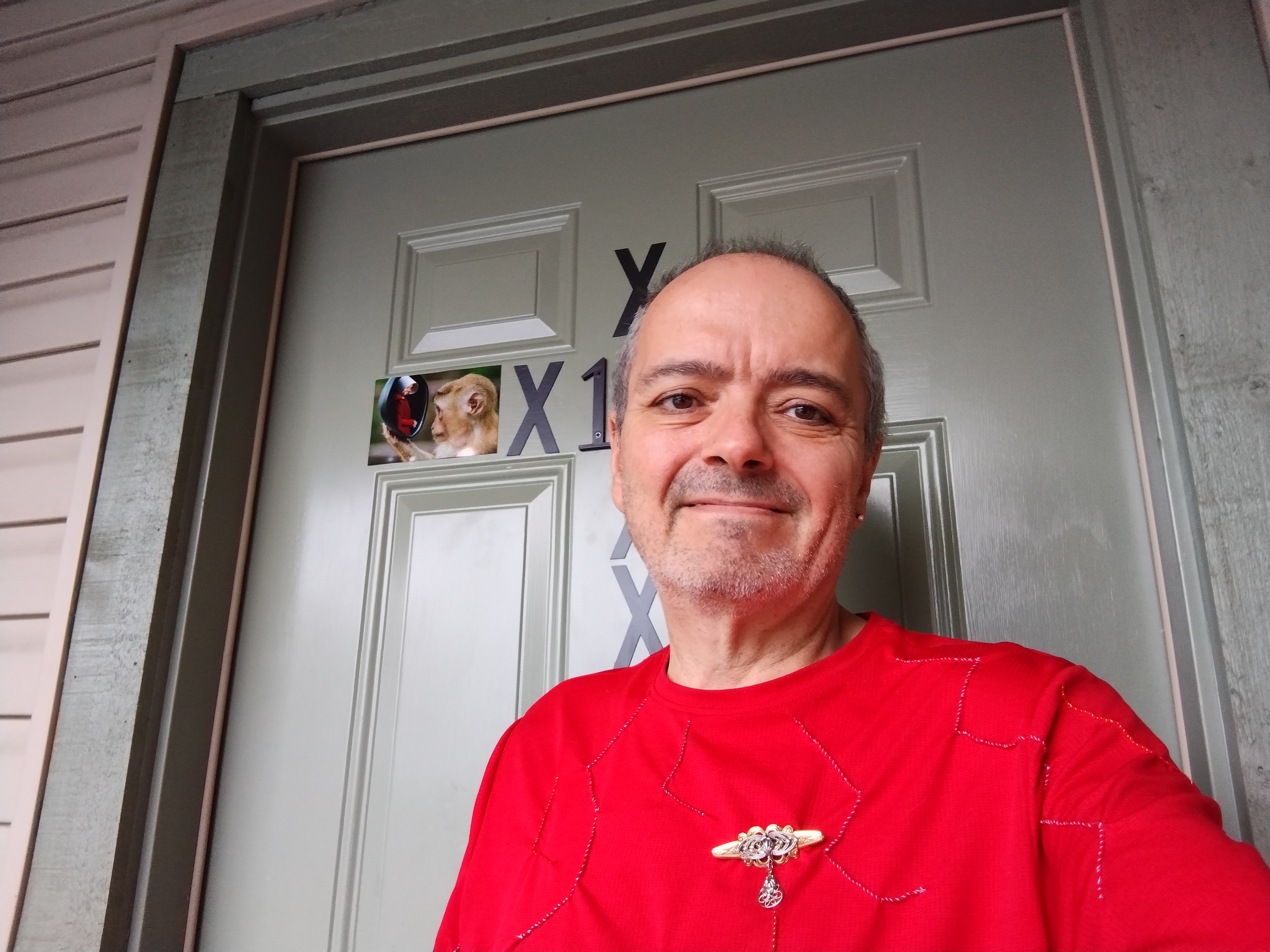
P.S. Yes, that picture behind me is of a monkey seeing my reflection in the handheld mirror..
I had a dream last night. It woke me up because I thought I was in the moment, awake, somewhere else. I’m not one to analyze dreams. This one required no introspection. It was a blunt message from my subconscious.
Wayne Dyer somehow was alive again. He stood at the front of the theater, speaking to four or five of us in the audience. He apologized for all the cancellations but said that the universe obviously wanted only us to hear the message:
“Love is omnidirectional. Meaning, happy and loving people radiate acceptance not just for the friends and family inside their narrow bubble, but also toward every single person around them. You can be fulfilled and love those closest to you fiercely. But you’ll never be who you’re supposed to be if you cut off that holy part of yourself that finds friends everywhere. Not all those you find will reciprocate. In fact, many of them will react to you with indifference and perhaps even callousness. That’s on them – not you. You must be omnidirectional in everything you do. When you leave here tonight, I’ll be gone. One day, you’ll be gone, too. Find a way to express your love for everything. If you have the attitude of acceptance and intimacy in your heart, the best things and people will find a way to be around you. Trust me. I love you all.”
Wayne walked off stage, leaving us sitting there. When I stood up to leave, I woke up.
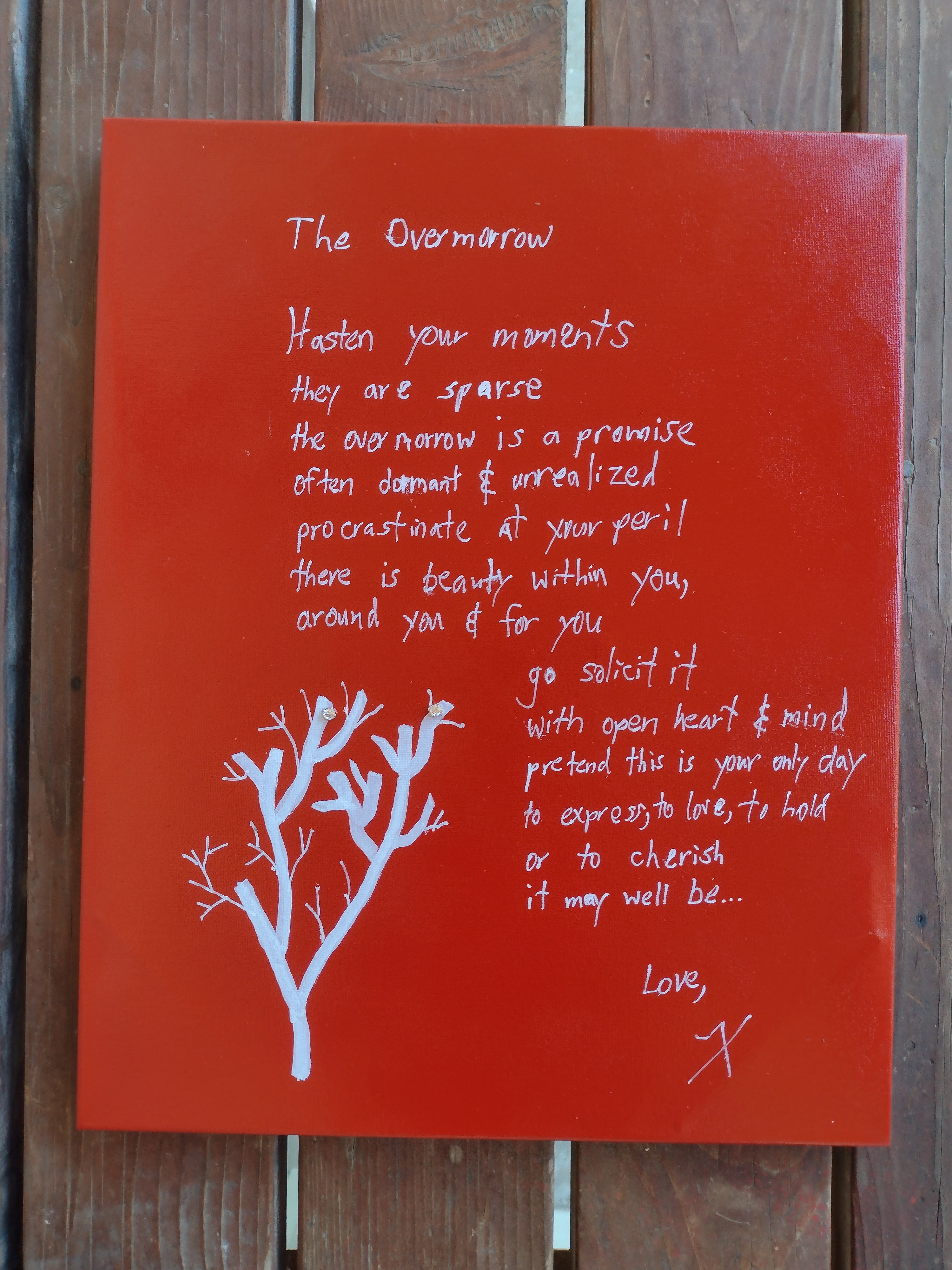
I love the word “overmorrow,” and I hate that it’s dormant in our language.
Love, X
hasten your moments they are but few the overmorrow is a promise often dormant or unrealized procrastinate at your peril there is beauty within you, around you and for you go solicit it with open heart and mind pretend this is your only day to express, to love, to hold, or to cherish it may well be
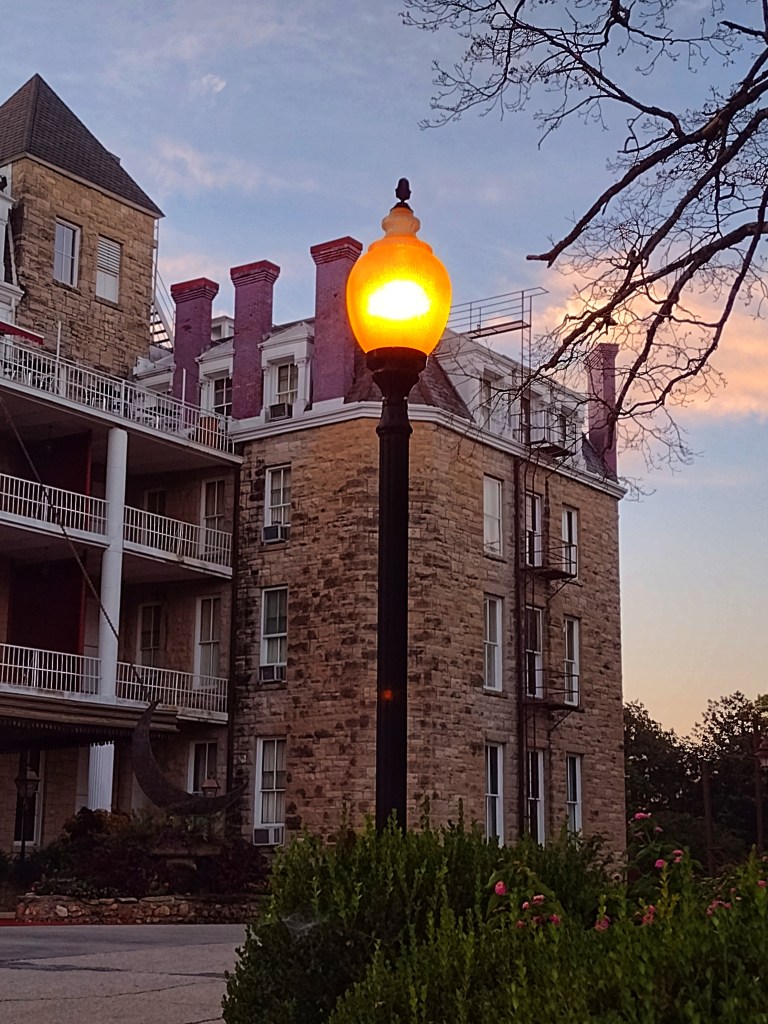
There’s a word, an obscure one, that describes people taking pictures that have been taken countless times. It’s because we all share a appreciation for certain things.
I took one this morning, early.
Before the throngs, before the day truly woke up.
The lamp post evoked a touch of Narnia. Early morning Monday, a time that normally excludes magic.
I had a cup of bitter coffee in my hand as I watched the trickle of people either meander without purpose or shuffle with reluctant efficiency.
As for me, I stood there as the sunrise creeped up on my left, over the top of history.
I tucked the memory of the view into a small corner of my mind. I’ll visit it again later, as life creeps back into my normalcy.
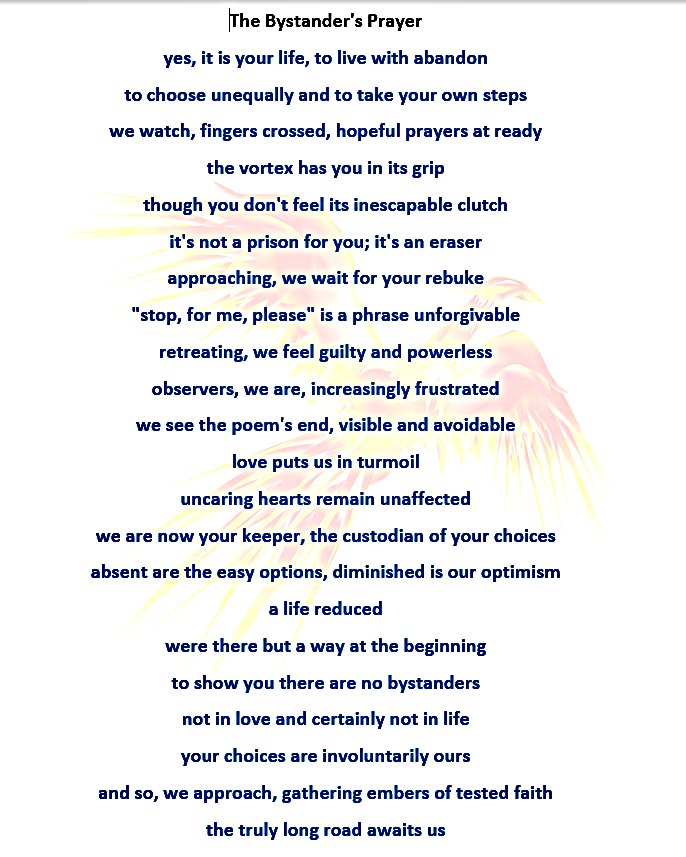
I used a phoenix because it’s a symbol of perpetual rebirth. Any of us, sufficiently motivated and with the help of friends and loved ones, can turn a new page. It’s never too late. Addiction and habit makes the strongest among us weak and focused on our lesser selves. My sister can stand and testify.
I started this when my brother made it clear that he was going to stay out on the diving board. He was one of the smartest people I’ve ever known. Intelligence, though, often provides an even greater lever with which to push away people who love you.
I finished it recently when I found myself helpless to give useful advice to someone else who found herself in the bystander position.
It’s not the most well-written piece in the world; but you’ll find no greater honesty, reflecting the horror of being unable to help someone.
There are no bystanders.
And none of us truly lives a life just for ourselves.


 I noticed this one on my early morning walk today.









 P.S. Parenthetically Speaking